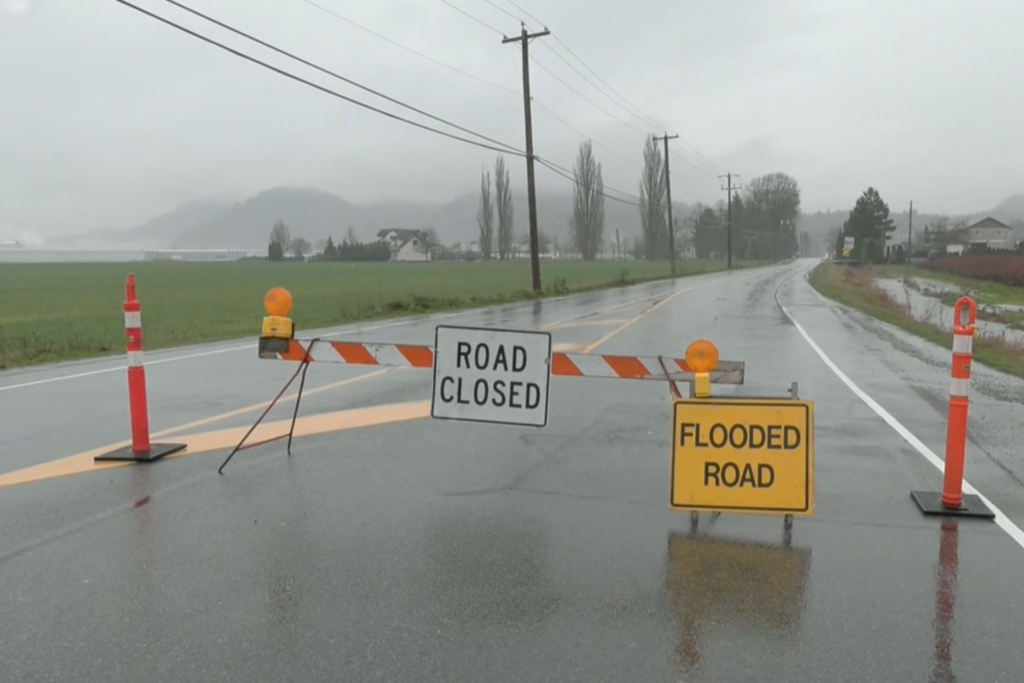
Severe Flooding in British Columbia Forces Hundreds to Evacuate
A powerful atmospheric river has unleashed devastating floods across southwestern British Columbia, forcing hundreds of residents from their homes, cutting off major highways, and prompting a local state of emergency. The relentless rainfall, which began intensifying earlier this week, has saturated the ground and pushed rivers and creeks far beyond their banks, particularly impacting communities in the Fraser Valley and areas around Vancouver.
The situation remains dynamic and dangerous, with emergency officials working around the clock to conduct rescues, manage evacuation orders, and assess the widespread damage to infrastructure and property.
A Deluge of Rain Overwhelms the Region
The current crisis is driven by an atmospheric river—a long, narrow corridor in the atmosphere that transports immense amounts of water vapor from the tropics. This “river in the sky” parked itself over the British Columbia coast, dumping what Environment Canada described as a month’s worth of rain in just 24 to 36 hours.
Key impacts of the torrential downpour include:
Evacuation Orders and Emergency Response
Local authorities have issued a series of evacuation orders and alerts as the floodwaters rose. The city of Abbotsford, still recovering from catastrophic floods in 2021, declared a local state of emergency. Hundreds of residents in low-lying areas were ordered to leave immediately.
Emergency response has been a monumental effort involving multiple agencies:
Officials are urging the public to avoid all unnecessary travel in affected regions, never attempt to drive through flooded roadways, and adhere strictly to evacuation orders for their own safety.
The Ghost of 2021 and Climate Change Concerns
For many British Columbians, this disaster is a traumatic echo of the historic floods of November 2021, which caused billions in damages and were also triggered by an atmospheric river. While this event may not yet be on the same scale, it highlights the persistent vulnerability of the region’s infrastructure and the increasing frequency of extreme weather events.
Scientists have long warned that a warming climate intensifies the water cycle, making atmospheric rivers more potent and increasing the likelihood of both severe droughts and extreme precipitation. This latest flood event is seen by many as another data point in a worrying trend, reinforcing the urgent need for enhanced climate adaptation strategies.
Immediate Risks and Long-Term Recovery
The immediate dangers extend beyond the rushing water. Emergency managers are also warning of:
The road to recovery will be long and costly. Once the waters recede, the true extent of the damage to homes, businesses, and farmland will be assessed. The process of cleaning up, repairing vital infrastructure, and providing financial and mental health support to affected communities will take months, if not years.
How to Help and Stay Informed
For those looking to assist, officials recommend monetary donations to reputable disaster relief organizations rather than donating physical goods, which can create logistical challenges. The Canadian Red Cross is often a primary partner in disaster response and is a reliable channel for support.
Staying informed with accurate information is critical. Residents should:
A Community Bracing Together
As British Columbia faces yet another severe weather disaster, the resilience of its communities is being tested once more. The images of flooded streets and frantic rescues are stark reminders of nature’s power. Yet, they are matched by scenes of neighbors helping neighbors, first responders performing heroic acts, and communities rallying to support evacuees.
The path ahead involves not only rebuilding what was lost but also building back smarter and more resiliently. The conversation around hardening infrastructure, improving floodplain management, and aggressively addressing the root causes of climate change will undoubtedly grow louder in the wake of this event. For now, the focus remains on the safety of residents, the tireless work of emergency personnel, and the challenging recovery that lies ahead for hundreds of displaced families.