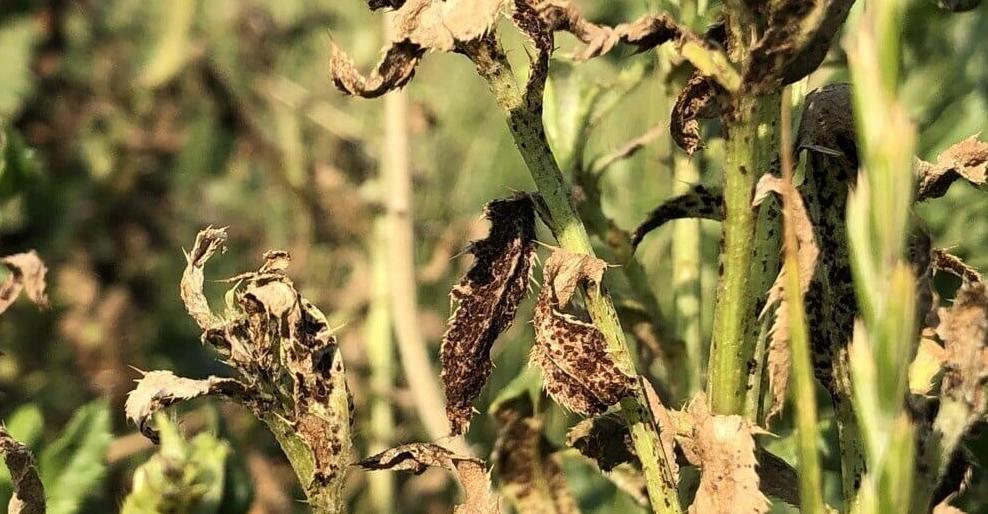
A Natural Fungus Offers New Hope for Controlling Canada Thistle
For farmers, ranchers, and land managers across North America, few sights are as disheartening as a field overtaken by the stubborn, spiky leaves of Canada thistle. This invasive perennial weed is a master of survival, spreading aggressively through its vast network of creeping roots and choking out crops, degrading pastures, and reducing biodiversity. For decades, the fight has relied heavily on chemical herbicides, but a new, promising soldier has entered the battle—one found not in a laboratory, but in nature itself.
Recent research is shining a spotlight on a specific, naturally occurring soil fungus that shows remarkable potential as a biocontrol agent against this tenacious weed. This approach offers a glimpse into a future where we can manage invasive species by harnessing the very ecosystems they disrupt.
The Formidable Foe: Why Canada Thistle Is So Problematic
To understand the significance of this discovery, one must first appreciate the challenge Canada thistle presents. Unlike many weeds, it’s a deep-rooted perennial, meaning it comes back year after year. Its root system can extend horizontally for meters and dive deep into the soil, making complete physical removal nearly impossible. Cutting or mowing often just stimulates more growth from these root reserves.
Chemical control is costly and imperfect. Herbicides can suppress top growth, but often fail to kill the entire root system, leading to rapid regrowth. Repeated applications are needed, raising concerns about cost, environmental impact, and the potential for herbicide resistance. Furthermore, in sensitive areas like waterways, organic farms, or natural habitats, chemical options are limited or undesirable. This creates a pressing need for sustainable, long-term management solutions.
Nature’s Answer: The Fungal Ally in the Soil
The breakthrough comes from the complex world beneath our feet. Scientists have identified strains of a common soil fungus, *Fusarium*, that exhibit a specific pathogenicity toward Canada thistle. This isn’t about introducing a foreign organism; it’s about identifying and potentially enhancing a natural antagonist already present in many soils.
How the Fungus Works Its Magic
The fungus operates as a precise, biological weapon. When its spores come into contact with Canada thistle roots, they germinate and invade the root tissue. Inside, the fungus begins to grow, disrupting the plant’s ability to transport water and nutrients. Crucially, research indicates that these particular fungal strains have a high degree of host specificity—they strongly prefer Canada thistle over many desirable crops and native plants. This specificity is the holy grail of biocontrol, as it minimizes collateral damage to the surrounding vegetation.
The effects on the weed are telling:
The Benefits of a Fungal Biocontrol Strategy
Adopting a fungus-based approach to Canada thistle management presents a compelling array of advantages, particularly in an era focused on sustainable agriculture and ecological balance.
Environmental Sustainability: This method significantly reduces reliance on synthetic herbicides, lowering the chemical load in our soils and waterways. It represents a true integrated pest management (IPM) solution.
Cost-Effectiveness: Once established, the fungus can be a self-sustaining control agent. While development and application have costs, the potential for long-term, recurring suppression could reduce the need for annual herbicide purchases and applications.
Targeted Action: The specificity for Canada thistle protects valuable crops, forage grasses, and native plant communities, allowing for more diverse and resilient ecosystems.
Compatibility with Other Methods: Fungal biocontrol isn’t meant to be a standalone silver bullet. It can be integrated with strategic mowing, competitive planting, and even limited herbicide use for a truly synergistic and effective management program.
From Research to Reality: The Path Forward
The journey from laboratory discovery to a commercially available product is a meticulous one. Researchers are now focused on:
Early field trials have been promising, showing notable suppression of Canada thistle stands without harming surrounding grasses and legumes. This progress is fueling optimism among both scientists and the agricultural community.
A New Chapter in Weed Management
The exploration of a native fungus to combat Canada thistle marks an exciting shift in perspective. Instead of viewing the problem solely through a chemical lens, we are learning to leverage ecological relationships for solutions. This approach aligns with a growing understanding that soil health and microbial communities are fundamental to plant health and ecosystem stability.
While challenges remain in product development and deployment, the potential is immense. For the organic farmer seeking effective tools, the rancher battling thistle in a pasture, or the conservationist restoring a native prairie, this fungal ally represents more than just a new product. It symbolizes a new way of thinking—one where we work with nature’s own systems to restore balance, offering a sustainable and hopeful path forward in the perennial battle against one of agriculture’s most resilient foes.