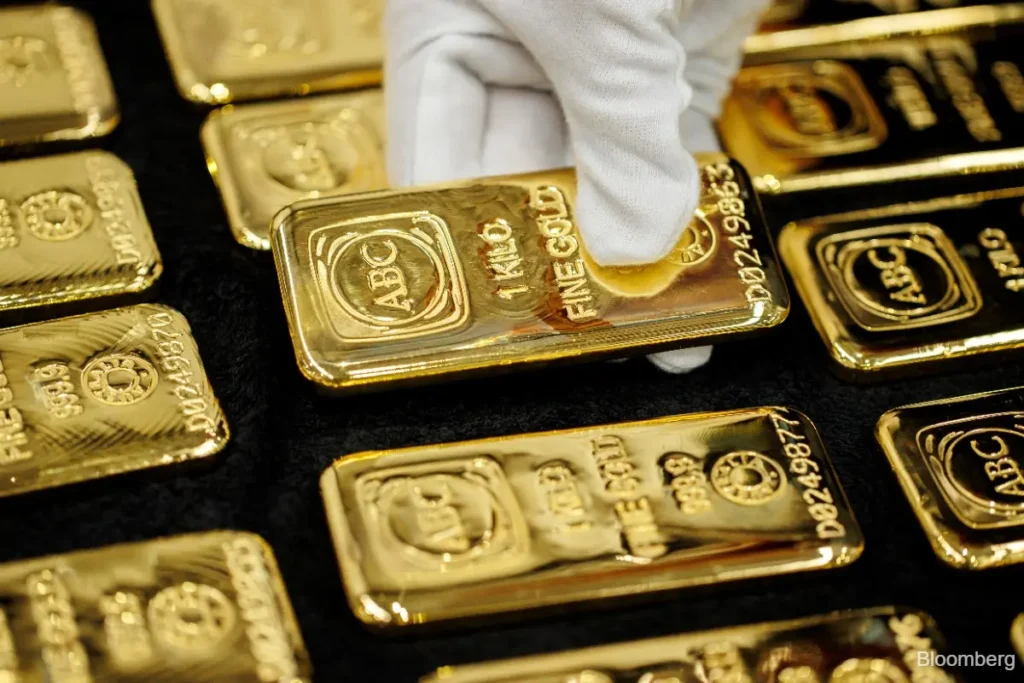
Gold has recently emerged as a tool some policymakers and analysts cite as helping to reduce the trade deficit. By leveraging gold exports or swaps, countries can register improved trade balance figures, offering a temporary sense of relief. However, experts warn that these effects are often illusory — appearing beneficial on paper while leaving underlying economic imbalances untouched.
As global trade pressures mount and currency fluctuations remain unpredictable, gold’s role in managing trade statistics has become a topic of intense scrutiny among economists, investors, and policymakers.
Gold’s Role in Trade Accounting
Gold is frequently used in international trade to adjust balance of payments figures. By exporting or valuing gold holdings strategically, governments can temporarily improve trade deficit statistics.
While these maneuvers provide apparent relief, they do not reflect increased production, higher exports of goods and services, or structural economic improvement. In essence, gold can mask the real trade gap rather than close it.
Investors are watching closely to see whether reliance on gold as a trade-deficit tool is sustainable over the long term.
Trade Deficit Trends and Gold
The trade deficit — the difference between imports and exports — has been a persistent concern for many economies. Large deficits can signal weak domestic production, high reliance on foreign goods, and potential pressure on national currency.
Gold, due to its universal liquidity and value, provides a temporary buffer. By recording gold transactions strategically, countries can present a smaller deficit in official figures. However, analysts caution that real economic imbalances remain, particularly in manufacturing, energy, and technology imports.
Why Gold Fixes Only on Paper
The reason gold’s effect is largely cosmetic lies in its non-productive nature. Unlike manufactured goods, services, or commodities that stimulate domestic employment and economic activity, gold transactions do not generate ongoing economic output.
While they influence accounting figures, they do not address the structural causes of trade deficits, such as consumption patterns, domestic production gaps, or currency valuation pressures.
Consequently, the apparent improvement may offer political or market relief but does not reduce vulnerability to global economic shocks.
Investor and Market Implications
Markets respond to trade deficit data because it signals economic strength or weakness. Gold-related adjustments can temporarily stabilize investor sentiment, supporting national currency or bond markets.
However, traders aware of the underlying reality may treat the improvement with caution. Overreliance on gold maneuvers could undermine credibility if economic fundamentals — such as industrial output and export competitiveness — remain weak.
This dynamic makes gold’s impact short-lived from a market perspective, even if it appears beneficial in official statistics.
Global Gold Demand and Strategic Reserves
Countries often turn to gold for strategic reserves as a hedge against currency fluctuations and trade volatility. Holding significant gold reserves can strengthen a nation’s financial security, enhance credibility with investors, and provide a buffer during economic crises.
However, converting these reserves into trade deficit relief is a temporary measure. While it affects the headline numbers, it does not improve competitiveness or reduce reliance on imports in key sectors.
Currency Effects and Gold Valuation
Gold transactions also interact with currency markets. When a country uses gold strategically, it can influence exchange rates and indirectly impact trade costs.
For example, converting gold to foreign currency or reporting gold exports may bolster the national currency temporarily. However, this effect depends heavily on market perception and demand for gold, making it unreliable as a long-term trade deficit solution.
The Structural Challenge Behind Trade Deficits
Even with gold interventions, the root causes of trade deficits remain:
- Dependence on imported energy and raw materials
- Weak domestic manufacturing or industrial output
- Currency fluctuations that make imports cheaper than local goods
- Global supply chain imbalances
Addressing these issues requires comprehensive economic policies — including industrial investment, export promotion, and currency management — rather than reliance on gold accounting.
Gold Versus Real Economic Reform
While gold can be a quick fix for balance-of-payments statistics, real reform is essential for sustainable deficit reduction. Enhancing domestic production, diversifying exports, and improving trade competitiveness are crucial steps.
Countries relying too heavily on gold risk delaying necessary reforms and creating long-term vulnerabilities, particularly if global demand or gold prices shift unexpectedly.
Historical Precedents
Historically, nations have used gold to temporarily influence trade data or support currencies during periods of imbalance. While effective in the short term, these interventions rarely resolve fundamental trade issues.
The pattern suggests that gold-based solutions provide temporary relief, not permanent economic correction. Economists stress the importance of structural adjustments to avoid repeating cycles of deficit masking.
The Investor Perspective
Investors evaluating economies using gold to manage deficits must consider long-term fundamentals. While headline figures may improve, structural risks persist in sectors such as energy, technology, and consumer goods.
For global markets, reliance on gold as a trade-deficit tool may lead to volatility, particularly if underlying economic weakness is revealed through slower growth or weaker exports.
Conclusion: Gold Can Only Do So Much
Gold may provide a paper-based fix for trade deficits, influencing official statistics, investor sentiment, and short-term market perception. However, its impact is largely superficial and does not address the structural economic challenges that drive persistent deficits.
Policymakers, investors, and analysts agree that sustainable trade balance improvement requires real economic reforms, diversification, and strategic investment in domestic production. Without these measures, gold remains a temporary bandage rather than a cure.
Ultimately, while gold can stabilize numbers on paper, the health of the economy depends on production, innovation, and competitiveness, not precious metal accounting maneuvers.