Unredacted Stellantis Deal Revealed After Parliamentary Standoff
In a significant victory for government transparency and parliamentary oversight, the full, unredacted version of the multi-billion dollar agreement between the Canadian government and automaker Stellantis has been made public. This comes after a dramatic standoff in the House of Commons, where opposition parties united to demand the release of the secretive contract, threatening to hold the government in contempt.
For months, the details of the deal—crucial to securing a massive electric vehicle (EV) battery plant in Windsor, Ontario—were shrouded in secrecy, with only heavily blacked-out portions released to the public. The disclosure ends a contentious chapter and provides Canadians with a clear, unfiltered look at the financial commitments made in the name of securing the country’s green industrial future.
The Standoff That Forced Transparency
The path to disclosure was anything but smooth. The controversy began when the government initially provided a version of the Stellantis and LG Energy Solution agreement that was so heavily redacted it was nearly incomprehensible. Key financial figures, performance clauses, and subsidy terms were completely blacked out, citing “commercial confidentiality.”
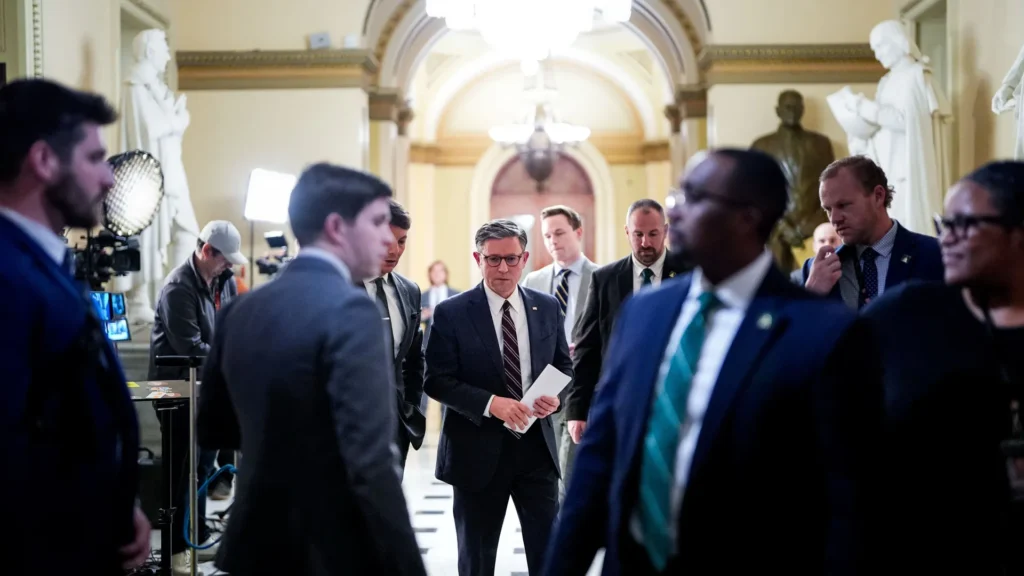
Opposition parties, led by the Conservatives and supported by the Bloc Québécois and NDP, cried foul. They argued that the public had a right to know the exact cost and conditions of an agreement involving tens of billions in taxpayer dollars. The standoff escalated to a critical point when the House of Commons ethics committee, wielding rare parliamentary power, unanimously ordered the production of the unredacted documents.
Facing the very real prospect of being found in contempt of Parliament—a serious constitutional censure—the Liberal government relented. They handed over the complete contract to the Parliamentary Law Clerk, who, after review, agreed to a public release with only minimal, necessary redactions to protect truly sensitive personal information.
What the Unredacted Deal Actually Reveals
With the veil of secrecy lifted, the concrete details of Canada’s largest-ever industrial incentive agreement are now clear. The core of the deal is a production subsidy designed to match the U.S. Inflation Reduction Act (IRA) incentives.
The key provisions include:
Implications: A Blueprint for Transparency or a Cautionary Tale?
The release of the full Stellantis contract sets several important precedents.
First, it reaffirms the power of parliamentary oversight. The episode demonstrates that when opposition parties unite, they can compel the executive branch to disclose information in the public interest. This strengthens democratic accountability on major spending initiatives.
Second, it provides a transparent benchmark for future deals. With the terms now public, any subsequent agreements with other automakers like Volkswagen or Northvolt will be measured against this framework. The public and analysts can make direct comparisons, increasing pressure for consistency and fairness.
However, the saga also serves as a cautionary tale. The government’s initial resistance to transparency eroded public trust and fueled political controversy around what is a cornerstone of its economic policy. The prolonged secrecy created a vacuum filled with speculation and skepticism, which may have damaged the perceived legitimacy of the investment.
The Bigger Picture: Canada’s High-Stakes EV Bet
Beyond the political drama, the unredacted deal underscores the monumental scale of Canada’s bet on an electric vehicle future. The Windsor plant, alongside a similar mega-project in St. Thomas, Ontario, represents the heart of a national strategy to secure a place in the global EV supply chain.
The documents confirm that Canada is essentially using fiscal firepower to level the playing field with the United States. The explicit “match the IRA” clause reveals a defensive, yet aggressive, industrial policy: paying a premium to prevent capital and jobs from flowing south of the border.
The critical question now shifting from “what’s in the deal?” to “will it pay off?” The success of this multi-billion dollar wager hinges on the long-term viability of the EV market, the stability of North American trade, and the continued global demand for batteries. The stringent performance clauses are the government’s insurance policy, but the overall economic return for Canadians remains a long-term calculation.
Conclusion: Clarity Achieved, Scrutiny Continues
The forced disclosure of the unredacted Stellantis deal is a watershed moment for transparency in Canadian industrial policy. It provides citizens, stakeholders, and lawmakers with the clarity needed to have an informed debate about the costs and benefits of securing a green economy.
While the financial figures are substantial, the contract also reveals a carefully structured agreement with built-in safeguards for the public purse. The political battle over secrecy may be over, but the scrutiny of how this deal—and the broader EV strategy—unfolds is just beginning. The true measure of success will be written not in subsidy clauses, but in the sustained jobs, economic growth, and industrial resilience it creates for Canada in the decades to come.