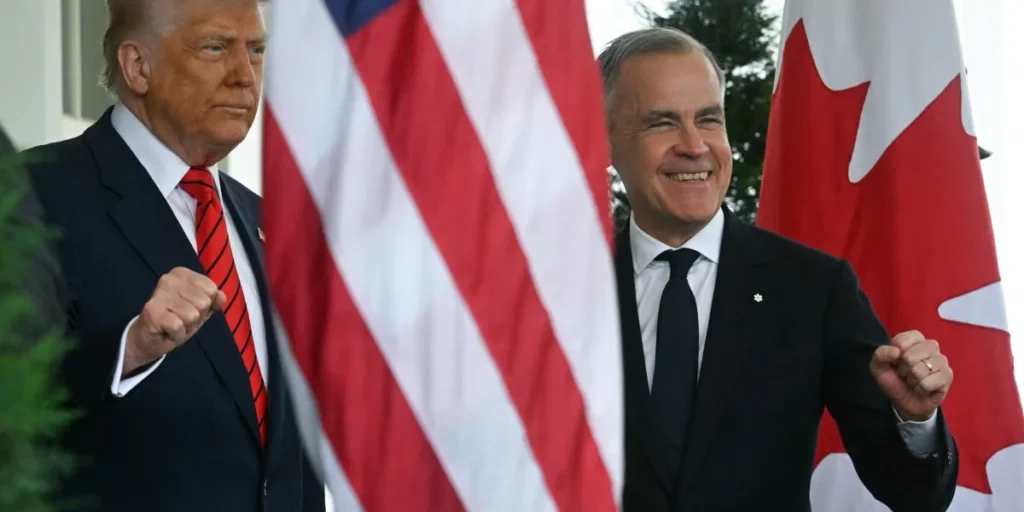
Will the U.S. Keep the CUSMA Trade Deal? Canada’s Optimistic Outlook
For anyone with a stake in North American trade—from farmers and factory workers to CEOs and consumers—a single question looms large on the horizon: what happens to the Canada-United States-Mexico Agreement (CUSMA) after the 2024 U.S. election? With the deal’s six-year review clause approaching and a potentially volatile political season ahead, uncertainty is the new normal. Yet, from Ottawa, the message is one of measured confidence. Federal Minister Dominic LeBlanc recently projected an optimistic outlook, suggesting the foundational trade pact is built to last, regardless of who sits in the White House.
The Looming Review: Understanding the CUSMA “Sunset Clause”
At the heart of the current discussion is a unique provision baked into the trade deal. Unlike its predecessor, NAFTA, CUSMA (known as USMCA in the U.S. and T-MEC in Mexico) isn’t permanent. It includes a “sunset clause” that mandates a joint review every six years. The first of these check-ins is slated for 2026, but the political groundwork for that conversation will be laid much earlier.
The process is straightforward in theory but complex in practice:
This mechanism means that while 2026 is the official review year, the political stance of a newly elected or re-elected U.S. administration in 2025 will be critical. The threat of withdrawal, even as a bargaining tactic, creates a powerful leverage point.
Minister LeBlanc’s Vote of Confidence: Stability Over Drama
Despite this inherent uncertainty, Intergovernmental Affairs Minister Dominic LeBlanc, a key figure in Canada’s diplomatic corps, has expressed a firm belief in the deal’s resilience. His optimism is rooted in a pragmatic assessment of the agreement itself and the realities of North American integration.
“The agreement is working well for all three countries,” LeBlanc stated, emphasizing that the economic pain of disrupting billions in daily cross-border trade would be severe for all parties. His confidence suggests that Ottawa’s strategy is to highlight the CUSMA’s success stories and its critical role in continental competitiveness, especially against economic rivals like China.
The Pillars of Canada’s Optimism
Canada’s positive outlook isn’t based on wishful thinking. It’s built on several concrete pillars:
The Wild Cards: Potential Challenges on the Road to 2026
Of course, optimism must be tempered with preparation. Several wild cards could test the stability of CUSMA in the coming years.
The “America First” Shadow: A return to an administration prioritizing unilateral trade actions could revive threats of withdrawal to force concessions. The specter of tariffs or demands for major changes hangs in the air.
Contentious Specifics: Certain issues remain perennial flashpoints. These include:
Global Uncertainty: A worsening global economic climate could increase protectionist pressures in all three countries, making cooperative renewal more difficult.
Canada’s Strategic Path Forward: Engagement and Diplomacy
So, what is Canada’s game plan to secure the deal’s future? It appears to be a multi-pronged strategy of quiet, persistent diplomacy.
1. Building a Coalition of the Willing
Ottawa isn’t working in a vacuum. It is actively aligning with pro-trade U.S. stakeholders—state governors, industry associations, and agricultural groups—who have a direct interest in maintaining seamless access to the Canadian market. This creates a powerful domestic U.S. constituency for the deal.
2. “Do No Harm” and Highlight Benefits
The focus is on stabilizing the agreement, not reopening it. Canada will likely continue to meticulously follow the rules while showcasing the tangible benefits for American workers and consumers, turning abstract trade data into relatable success stories.
3. Strengthening the North American Brand
A longer-term play involves framing CUSMA not just as a trade deal, but as the bedrock of North American economic sovereignty and competitiveness. In a world of rising geopolitical tensions, presenting a united, efficient continental bloc is a compelling argument for all three nations.
Conclusion: Cautious Hope in an Era of Uncertainty
The question of whether the U.S. will keep the CUSMA trade deal doesn’t have a simple yes or no answer. The sunset clause ensures it will be a topic of debate and diplomacy for the foreseeable future. However, Minister LeBlanc’s optimistic outlook is more than just political cheerleading.
It reflects a calculated bet on the power of shared economic interest. The costs of dismantling CUSMA are astronomically high for all parties involved. While political rhetoric may flare, the day-to-day reality of millions of jobs and integrated industries creates a formidable barrier against drastic change.
Canada’s path is clear: navigate the upcoming political season with a steady hand, reinforce the alliance with those in the U.S. who value the relationship, and continue to demonstrate that this modernized trade agreement is, indeed, working. The goal is not just to see the deal renewed in 2026, but to ensure it continues to be the reliable engine of North American prosperity it was designed to be. The optimism is cautious, but it is built on the solid ground of mutual need.