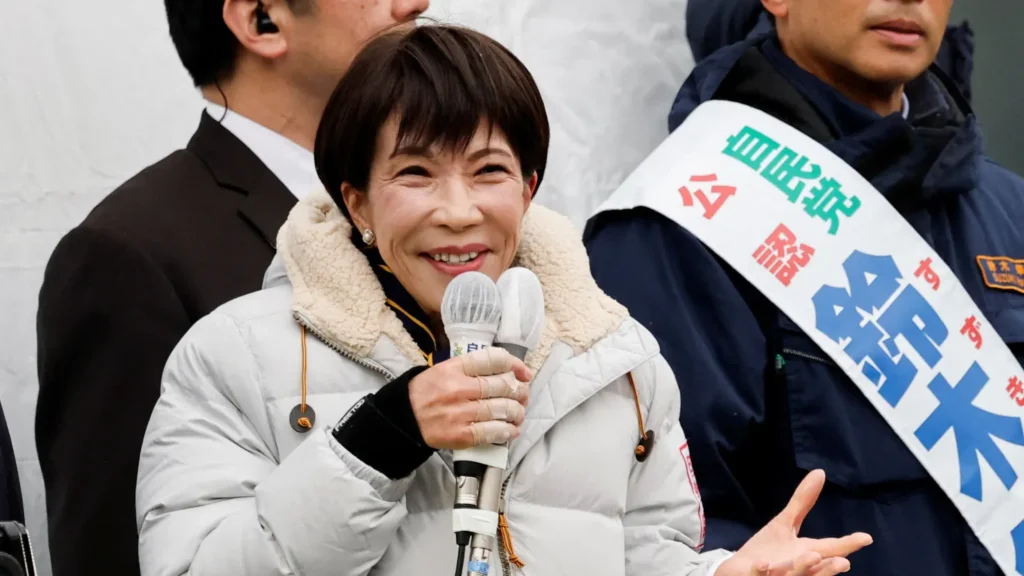
Sanae Takaichi Seeks Major Victory as Japanese National Election Votes Begin
TOKYO, Japan — Polls opened Sunday in Japan’s decisive national elections, with Prime Minister Sanae Takaichi and her ruling Liberal Democratic Party (LDP) seeking a substantial victory that could reshape the nation’s political landscape. As voters stepped out into heavy snow across many regions, political attention focused on whether Takaichi’s conservative coalition could secure the majority needed to advance her ambitious agenda.
In what has become one of the most pivotal elections in recent years, Takaichi — Japan’s first female prime minister — is attempting to solidify her position after only months in office. Her campaign centers on promises to strengthen Japan’s economy, expand defense capabilities, and bolster national security.
Early Voting and Weather Challenges on Election Day
Across Japan, severe snowstorms blanketed polling stations, creating potential hurdles for voter turnout. From northern prefectures to central Tokyo, voters braved icy conditions to cast ballots in what may be one of the most influential elections in decades. Experts have observed that such harsh weather could impact participation rates, particularly among younger demographics already exhibiting lower electoral engagement.
Despite this, early reports from numerous districts suggest strong voter presence during the initial hours of polling, signaling heightened public interest in the nation’s political future. Analysts emphasize that weather conditions will continue to be a key variable in turnout proportions.
Takaichi’s Strategic Snap Election Move
Prime Minister Takaichi called this snap election just three months into her leadership, dissolving the House of Representatives in hopes of reinforcing her government’s mandate. This early decision reflects both confidence in her popularity and urgency to secure broader legislative support before political momentum could shift.
Despite holding only a slim majority in the lower house previously, Takaichi aims to significantly increase her coalition’s control of the 465-seat chamber — a victory that would empower her to enact sweeping policy changes.
Polling Predictions and Political Landscape
Opinion polls conducted ahead of election day suggest that Takaichi’s LDP and its coalition partner, the Japan Innovation Party, may secure more than 300 seats in the lower house — a potential two-thirds majority. Such a result would strengthen her position to implement controversial reforms spanning defense, immigration, and Japan’s economic direction.
This projected outcome marks a dramatic turnaround for the LDP, which faced recent setbacks and criticism over internal scandals. Much of the predicted support is attributed to what political commentators have dubbed “Sana-mania” — an energized backing from segments of the electorate, particularly younger voters who find Takaichi’s personal appeal and messaging refreshing compared to traditional party politics.
Key Issues at the Heart of the Election
Economic Renewal and Domestic Policy
Central to Takaichi’s campaign is a pledge to stimulate Japan’s economy through a mix of tax reforms, fiscal incentives, and industrial strategy adjustments. Combining promises to boost innovation, technology investment, and business growth, the LDP seeks to combat stagnant wages and persistent deflationary pressure. However, critics argue that details on funding and economic sustainability remain vague.
Defense and Security Shift
Another defining theme of this election is national security. Takaichi has openly advocated for increasing defense spending and revising Japan’s post-World War II pacifist constitution to allow broader military capabilities, including lifting bans on weapons exports. In doing so, she aims to respond proactively to rising regional tensions, particularly with neighboring China.
Her proposals have sparked debate, with supporters citing the need for enhanced defense deterrence, while critics worry about escalating regional tensions and straying from historic diplomatic norms.
Immigration and Social Policy
Takaichi’s campaign also focuses on stricter immigration measures and tougher foreign resident policies. Proposals include tighter requirements for property ownership and revised visa frameworks. These stances have resonated with conservative voters but drawn concern from civil rights advocates about their broader social impact.
Opposition Parties and Electoral Competition
Despite polls favoring the ruling coalition, opposition parties — including newly formed alliances from centrist and left-leaning groups — continue to campaign vigorously. They criticize Takaichi’s approach as overly nationalistic and divided on core economic and diplomatic concerns.
Still, opposition fragmentation has emerged as a key challenge, weakening the chances of forming a unified front capable of counterbalancing the LDP’s projected strength.
Voter Demographics and Youth Engagement
One of the most unique aspects of this election is the notable engagement of younger voters. While historically showing lower turnout, voters aged 18–39 have demonstrated heightened interest this cycle, driven in part by Takaichi’s energetic campaign style and social media presence.
Many young voters express optimism over stability and economic opportunity, while others remain motivated by broader national issues, including defense strategy and quality of life improvements.
International Reactions and Diplomatic Implications
The global community is closely watching Japan’s election results, especially regarding diplomatic ties and economic policy directions. Takaichi’s strong alliance with key partners, notably the United States, signals continued strategic alignment. International observers believe a decisive win could embolden Japan’s role in regional security alliances and economic negotiations.
Conversely, a strong victory for conservative policies may heighten tensions with China and other neighboring countries wary of expanded military capabilities and more assertive foreign policy stances.
Potential Outcomes and What’s Next
As polls continue throughout the day, political analysts are closely watching not only seat projections but voter turnout patterns, particularly in snow-hit regions. A strong performance by Takaichi’s coalition could solidify her leadership, enable the government to pursue major reforms, and shift Japan’s political trajectory significantly to the right.
Alternatively, unexpected resistance at the polls or lower-than-expected turnout could complicate her policy ambitions and lead to tighter parliamentary negotiations — potentially reshaping the balance of power in Japanese politics.
Conclusion: A Pivotal Moment in Japanese Politics
The opening of polls in Japan’s national elections marks a historic moment for Prime Minister Sanae Takaichi, her Liberal Democratic Party, and the nation’s future direction. With bold policy proposals, strong public engagement, and international eyes watching closely, the stakes could not be higher.
As results begin to emerge, all eyes will remain on Tokyo — and on every prefecture where voters cast their ballots under challenging conditions — to determine whether Takaichi’s hopes for a big win become reality.