Super Bowl Ignites Nationwide Economic Boom Across the United States
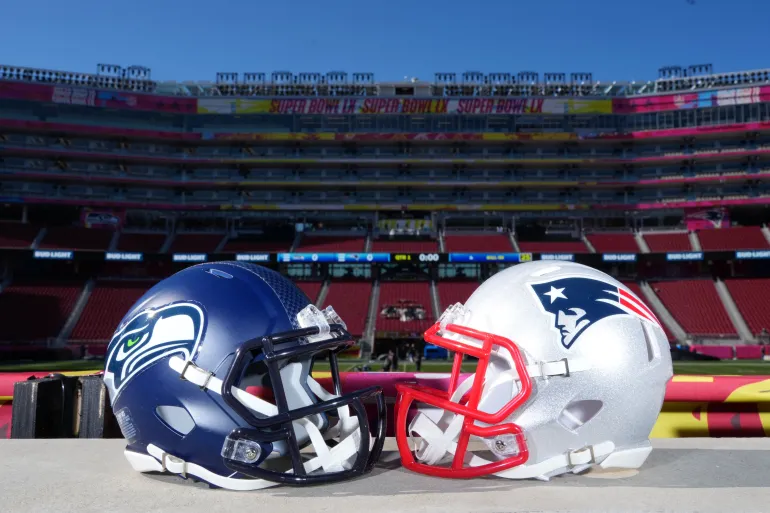
The Super Bowl is once again proving to be far more than just a championship football game. As anticipation builds ahead of kickoff, the event is generating a powerful economic boom across the United States, impacting industries ranging from tourism and hospitality to advertising, retail, and media. Each year, the Super Bowl acts as a financial engine, injecting billions of dollars into the U.S. economy and creating short-term momentum with long-lasting effects.
From bustling airports and fully booked hotels to record-breaking advertising investments, the economic impact of the Super Bowl continues to expand, reinforcing its status as one of the most influential sporting events in the world.
Tourism and Travel Surge Ahead of the Super Bowl
One of the most immediate and visible effects of the Super Bowl economic surge is the sharp rise in tourism and travel activity. Fans from across the country — and increasingly from abroad — travel to the host city days before the game, filling hotels, rental properties, and transportation services.
Airlines report increased bookings, while airports experience heightened traffic as game-related travel peaks. Ride-sharing services, car rental companies, and public transportation systems all benefit from elevated demand. This influx of visitors translates directly into higher tourism revenue, strengthening local economies in a concentrated period of time.
Beyond the host city, surrounding regions also feel the impact as overflow accommodations and pre-game events spread spending across neighboring areas.
Hospitality Industry Sees Record Demand
The hospitality sector is one of the biggest beneficiaries of the Super Bowl. Hotels often reach near-total occupancy, with premium pricing reflecting the extraordinary demand. Restaurants, bars, and entertainment venues report some of their highest sales days of the year during Super Bowl week.
Special events, fan festivals, and corporate gatherings drive additional revenue, while temporary employment opportunities expand staffing needs. This short-term job creation contributes to increased household income and broader economic stimulation.
For small and mid-sized businesses, the Super Bowl represents a rare opportunity to capture national attention and maximize profits in a condensed time frame.
Retail and Consumer Spending Reach New Highs
The Super Bowl consumer spending boom extends far beyond ticket sales. Retailers experience heightened demand for team merchandise, apparel, electronics, and food supplies. Grocery stores and beverage companies benefit from large-scale purchases as millions of households prepare for Super Bowl parties.
Electronics sales, particularly televisions and audio equipment, see consistent spikes in the weeks leading up to the game. This increase in discretionary spending boosts retail performance and supports supply chains nationwide.
The Super Bowl’s ability to influence consumer behavior underscores its role as a powerful economic catalyst, stimulating spending at both the local and national level.
Advertising Revenue Hits Record Levels
Perhaps no area better illustrates the financial power of the Super Bowl than advertising. Super Bowl commercials remain among the most expensive and most-watched advertisements in the world, with major brands investing heavily for a few seconds of airtime.
This surge in advertising revenue benefits broadcasters, production companies, creative agencies, and digital platforms. The economic ripple effect extends into marketing technology, data analytics, and social media engagement, as brands aim to amplify their Super Bowl campaigns beyond television.
The Super Bowl has evolved into a global advertising showcase, generating massive returns on investment and reinforcing its unmatched commercial influence.
Media, Streaming, and Digital Engagement Growth
As viewing habits evolve, the Super Bowl media ecosystem continues to expand. Traditional television remains dominant, but streaming platforms and digital channels now play a growing role in distribution and engagement.
This diversification drives increased investment in media infrastructure, content production, and advertising innovation. The result is broader revenue generation across multiple platforms, supporting technological advancement and employment within the media sector.
Digital engagement, including social media interaction and second-screen experiences, further amplifies the event’s reach and economic footprint.
Local Businesses Gain National Exposure
For local businesses in the host city, the Super Bowl offers more than just short-term revenue. Exposure to millions of visitors and national media coverage can translate into long-term brand recognition and future growth opportunities.
From food vendors and retailers to service providers and entertainers, many small businesses leverage the event to build lasting customer relationships. This extended impact strengthens entrepreneurial ecosystems and supports sustainable economic development.
The Super Bowl economic impact therefore extends well beyond game day, leaving a legacy that benefits communities long after the final whistle.
Employment and Workforce Opportunities Increase
The preparation and execution of the Super Bowl require a significant workforce. Temporary jobs in construction, event management, security, hospitality, and transportation help reduce short-term unemployment and increase income levels.
These employment opportunities contribute to economic confidence, as workers benefit from additional earnings and skill development. The event also supports contractors, suppliers, and service providers across multiple industries.
By stimulating job creation, the Super Bowl reinforces its role as a powerful driver of economic activity and workforce engagement.
Long-Term Economic Confidence and Investment
Beyond immediate financial gains, the Super Bowl plays a role in shaping broader economic sentiment. Successful hosting enhances a city’s reputation as a destination for future events, conferences, and tourism investment.
Infrastructure improvements, upgraded venues, and enhanced transportation systems leave lasting benefits. These developments attract further investment and support long-term growth strategies at both the city and state level.
The Super Bowl’s ability to combine entertainment with economic development makes it a unique and influential force within the U.S. economy.
A Proven Economic Powerhouse
As the countdown to kickoff continues, the Super Bowl economic boom is already in full motion. From tourism and retail to advertising and media, the event generates widespread financial benefits that ripple across the nation.
Year after year, the Super Bowl proves that its influence extends far beyond sports, serving as a cornerstone of American economic activity. With billions in revenue, millions of consumers engaged, and countless businesses impacted, the Super Bowl remains one of the most powerful economic engines in the United States.