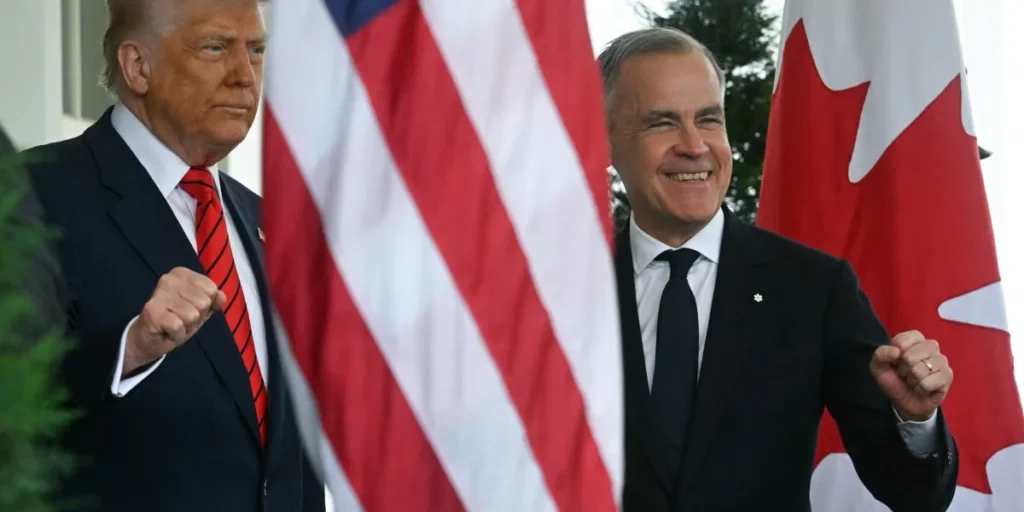
President Donald Trump issued a strong political warning, stating that any Republican who votes against tariffs will seriously suffer the consequences come election time. The statement intensifies the internal debate within the Republican Party over the future of US tariff policy and highlights growing political pressure ahead of upcoming elections.
The remarks come as Congress continues to debate trade measures affecting key industries, including manufacturing, steel, agriculture, and cross-border commerce. Trump’s message underscores his firm stance that tariffs remain central to protecting American economic interests.
Trump Reinforces Hardline Tariff Strategy
In his latest comments, Trump reaffirmed that tariffs are essential to safeguarding American jobs and industries. He argued that opposing tariff measures undermines domestic production and weakens the United States in global trade negotiations.
The president’s warning signals that tariff policy will be a defining issue in Republican primaries and general elections. Political analysts say the statement is designed to ensure party unity around trade protection measures.
Key industries affected by current tariffs include:
- Steel and aluminum
- Automotive manufacturing
- Agricultural exports
- Consumer goods imports
- Energy-related materials
Supporters argue that tariffs level the playing field against unfair foreign competition, while critics warn of rising costs and trade retaliation.
Growing GOP Divisions Over Trade Policy
The debate over Republicans voting against tariffs has exposed internal party divisions. Some GOP lawmakers advocate for free-market principles and reduced trade barriers, citing concerns about consumer prices and supply chain disruptions.
Others align with Trump’s position, emphasizing national security, domestic job protection, and economic leverage.
This tension places Republican candidates in a difficult position, particularly in states where:
- Manufacturing jobs are critical
- Agricultural exports depend on global markets
- Consumer costs are a top voter concern
Trump’s warning effectively raises the political stakes for lawmakers considering opposition to tariff measures.
Election Implications and Political Pressure
The phrase “suffer the consequences come election time” signals potential primary challenges or reduced political support for dissenting Republicans. Historically, trade policy has been a powerful campaign issue, particularly in industrial battleground states.
Political strategists note that Trump maintains significant influence within the Republican voter base. Aligning with his tariff stance may be viewed as a test of party loyalty.
At the same time, moderate Republicans must balance economic concerns from business communities wary of prolonged trade tensions.
The issue could become a defining theme in campaign messaging, fundraising efforts, and primary debates.
Economic Impact of Tariff Policies
The broader economic consequences of US tariffs remain a subject of national discussion.
Potential benefits cited by supporters include:
- Increased domestic production
- Stronger negotiating power in trade deals
- Protection of key industries
- National security safeguards
However, critics highlight risks such as:
- Higher consumer prices
- Increased production costs
- Trade retaliation from partners
- Market volatility
The political clash over tariffs reflects deeper questions about America’s long-term trade strategy.
Market Reaction and Investor Sentiment
Financial markets are closely watching developments surrounding Republican tariff votes. Trade uncertainty often influences stock market performance, commodity prices, and investor confidence.
Businesses reliant on imported materials are particularly sensitive to policy shifts. Meanwhile, domestic producers benefiting from tariff protection may see potential gains.
Investors seek clarity on whether congressional divisions could lead to policy reversals or expanded trade measures.
Impact on Key Swing States
Swing states with strong manufacturing and agricultural bases may feel the greatest political impact of the tariff debate.
In regions where factories and steel plants provide employment, tariffs are often viewed favorably. Conversely, farming communities reliant on exports may express concerns about retaliatory trade barriers.
Trump’s warning places pressure on Republican lawmakers representing diverse economic interests within their districts.
The balance between economic pragmatism and political loyalty could shape campaign strategies moving forward.
Trade Policy as a Central Campaign Issue
Trade policy has repeatedly emerged as a central issue in national elections. By making tariffs a loyalty test within the GOP, Trump ensures the topic remains prominent.
Campaign messaging is likely to focus on:
- Protecting American jobs
- Strengthening domestic manufacturing
- Standing firm against foreign trade practices
- Ensuring economic independence
Opponents, meanwhile, may emphasize the importance of balanced trade relationships and market stability.
The tariff election consequences debate is poised to dominate political headlines in the coming months.
Congressional Outlook and Next Steps
As legislative debates continue, key questions remain:
- Will more Republicans break ranks on tariff votes?
- Could bipartisan coalitions emerge to challenge trade measures?
- How will party leadership respond to internal divisions?
While no immediate policy changes have been announced, the heightened rhetoric suggests that tariff policy will remain a flashpoint issue in Congress.
Lawmakers must weigh economic data, voter sentiment, and political alliances as they navigate upcoming votes.
Final Analysis
President Trump’s warning that any Republican voting against tariffs will face election consequences significantly raises the political stakes surrounding US trade policy.
The statement underscores the central role of tariffs in Republican economic strategy and signals that party unity on trade may become a defining factor in future elections.
As economic data, market reactions, and voter priorities continue to evolve, the debate over tariffs will likely shape both legislative action and campaign narratives nationwide.
With election season approaching, Republican lawmakers now face a pivotal decision: align firmly with Trump’s trade agenda or risk political consequences at the ballot box.