Could Your Social Media Posts Keep You From Visiting the United States?
Imagine planning your dream vacation to the United States—booking flights, securing hotel rooms, and mapping out your route along Route 66 or through the neon lights of Times Square. Now, imagine that trip being denied not because of your passport or finances, but because of a tweet you posted five years ago or a comment you left on a friend’s Instagram post.
This scenario is at the heart of a new and controversial proposal being considered by U.S. lawmakers. A bill recently introduced in Congress suggests screening the social media history of foreign tourists before they are allowed to enter the country. While framed as a national security measure, it raises profound questions about privacy, free speech, and the future of international travel.
What Is the Proposed Social Media Check for Tourists?
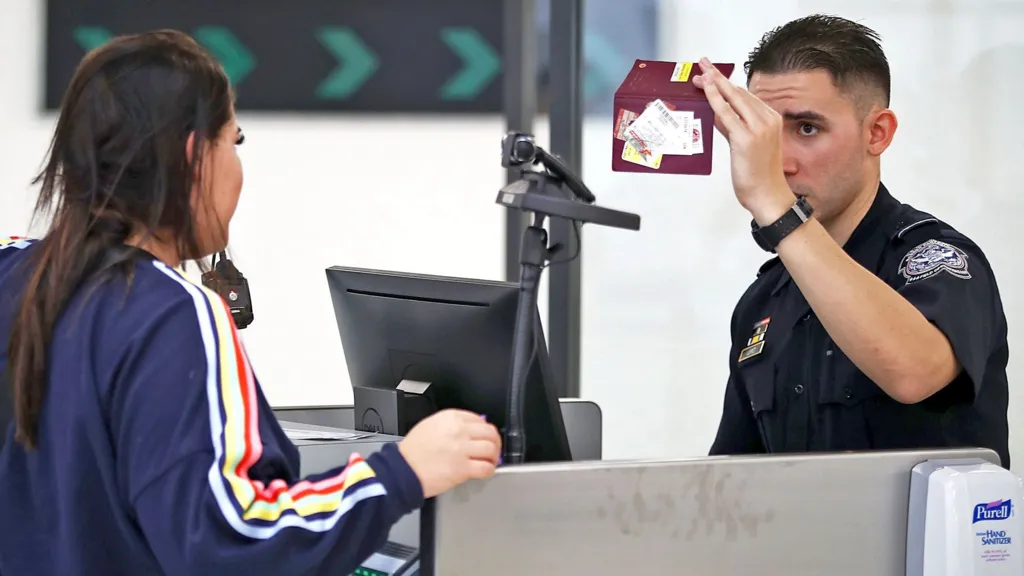
The proposed legislation, known as the “Identifying Security Threats and Prohibiting Entry To The United States” or the “Identify Act,” seeks to expand the vetting process for travelers from countries participating in the Visa Waiver Program (VWP). Currently, citizens from 41 allied nations, including the United Kingdom, Australia, Japan, and most of Europe, can visit the U.S. for up to 90 days without obtaining a traditional visa, using only an online authorization called ESTA.
The new bill would mandate that these travelers provide the U.S. Department of Homeland Security (DHS) with access to their social media profiles as part of the ESTA application. This isn’t about just listing your public handles; it could involve granting officials permission to review posts, comments, likes, and connections that may not be publicly visible.
The Stated Goal: Enhancing National Security
Proponents of the bill argue that this measure is a necessary evolution in a digital age. The core rationale is straightforward: to identify potential security threats that traditional background checks might miss.
Lawmakers point to instances where individuals who carried out attacks had previously expressed extremist views or support for terrorist ideologies online. By screening social media activity, authorities believe they can:
In essence, social media is viewed as a modern-day intelligence tool, offering a window into a person’s beliefs and associations that isn’t captured on a standard visa form.
The Mounting Concerns: Privacy, Bias, and Practicality
While the security argument is clear, the proposal has ignited a firestorm of criticism from privacy advocates, civil liberties groups, and digital rights organizations. The concerns are multi-faceted and significant.
A Massive Invasion of Global Privacy
The most immediate objection is the sheer scale of the privacy invasion. Social media accounts often contain a lifetime of personal data: political opinions, religious beliefs, personal relationships, location history, and private messages. Granting a foreign government access to this trove of information sets a concerning precedent. Critics ask: Where does the line get drawn, and what prevents “mission creep” where this data is used for other purposes?
The High Risk of Discrimination and Bias
There is a deep fear that such checks would be applied unevenly and could lead to profiling. Algorithms and human screeners may have inherent biases, potentially flagging individuals based on:
This could lead to travelers from certain backgrounds facing disproportionate scrutiny and denial of entry.
The “Fake Account” and Context Problem
The proposal also grapples with immense practical challenges. Many people maintain multiple or anonymous social media accounts. A traveler could simply choose not to disclose a private account where they express controversial views. Furthermore, social media posts are notoriously lacking in context. Sarcasm, jokes, academic discussions, and artistic expression can easily be misread by an automated screening tool or an officer with limited time, leading to wrongful denials.
How Would This Impact Travelers and Tourism?
If enacted, the implications for the millions who visit the U.S. under the VWP each year would be direct and potentially disruptive.
The ESTA application process, which currently takes minutes, could become far more intrusive and lengthy. Applicants would need to meticulously list all social media identifiers. A simple mistake or omission could be grounds for rejection. The chilling effect on free speech is also a major worry—people might start self-censoring online for fear that an old post could jeopardize future travel opportunities.
For the U.S. tourism industry, which relies heavily on visitors from VWP countries, the risk is economic. Complicating the entry process and fostering a perception that the U.S. is unwelcoming or surveilling tourists could deter travel, costing the economy billions in lost revenue.
The Bigger Picture: A Global Trend?
The U.S. is not alone in considering such measures. Several countries already ask for social media details on visa applications, though the depth of the screening varies. However, the U.S. proposal is notable for its potential scope, targeting tens of millions of visitors from allied nations annually.
This move reflects a broader, global tension in the 21st century: the balancing act between state security and individual digital rights. Governments are increasingly looking to the digital realm for threats, but in doing so, they are normalizing the surveillance of everyday life.
What Happens Next?
The “Identify Act” is currently in the early stages of the legislative process. It must pass through committees, be voted on by both the House and Senate, and ultimately be signed by the President to become law. This journey is uncertain, and the bill will likely face fierce debate and potential legal challenges.
For now, travelers are not required to provide social media access. However, the proposal itself serves as a crucial conversation starter. It forces us to ask critical questions: How much of our digital lives should be subject to government scrutiny in the name of security? Who ensures fairness and accuracy in such screenings? And at what point does the cost to privacy and open exchange outweigh the perceived security benefit?
As the debate continues, one thing is clear: the border of the future may not just be a physical line, but a digital one, scrutinizing our words and connections as closely as our passports.