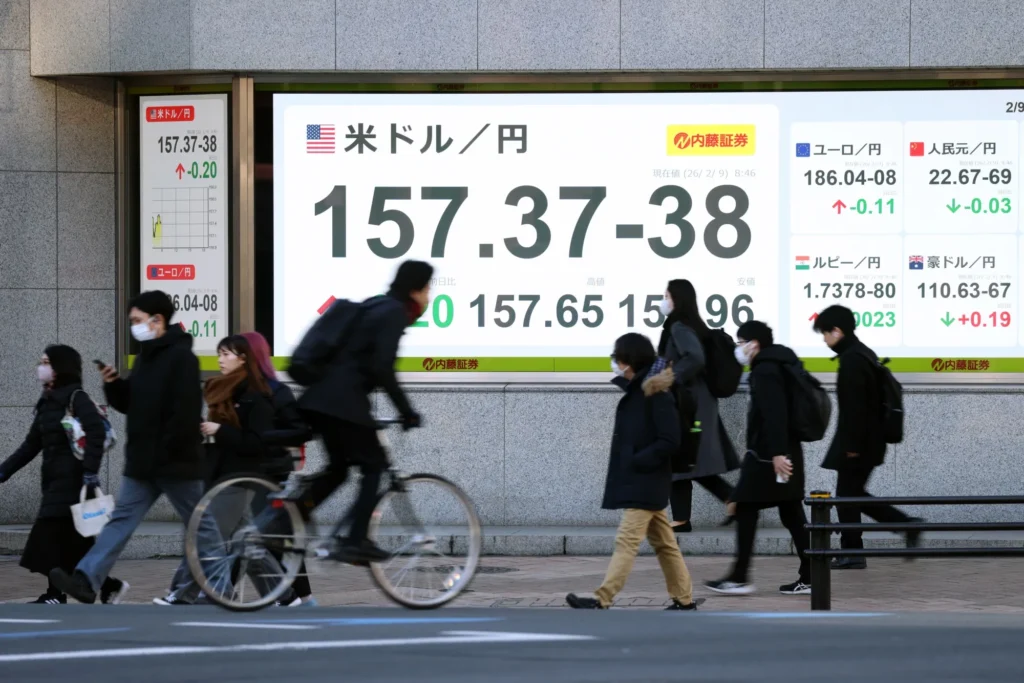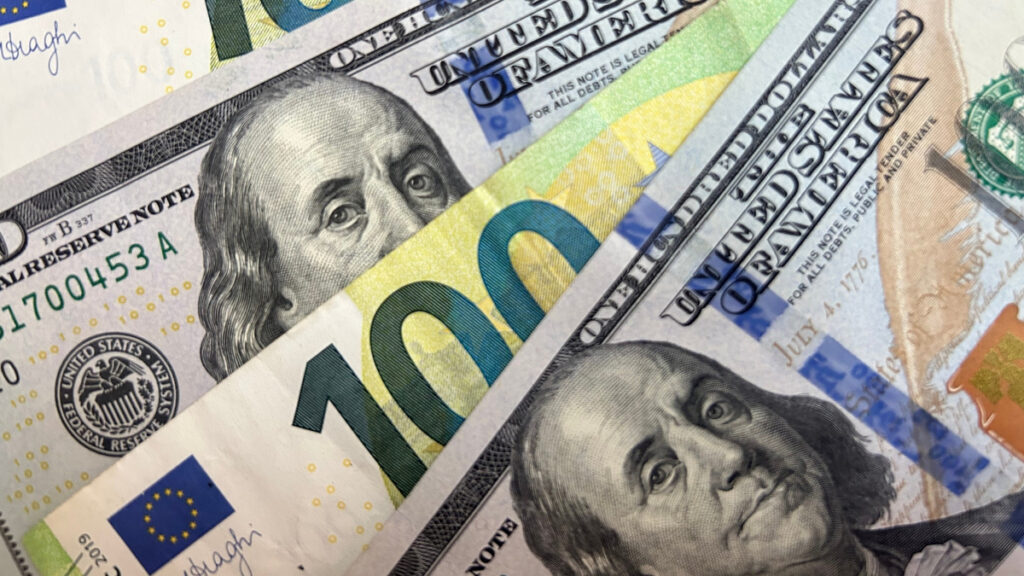
The US dollar may be entering a prolonged period of weakness that could stretch through 2026, according to growing consensus among market participants. After years of dominance supported by aggressive monetary tightening and safe-haven demand, the greenback is now facing structural headwinds that extend beyond short-term market cycles.
Shifting interest rate expectations, rising fiscal concerns, global diversification away from dollar assets, and changing geopolitical dynamics are combining to reshape the long-term outlook for the world’s reserve currency. While short-term rebounds remain possible, the broader trend increasingly points toward sustained dollar depreciation.
A Turning Point for the World’s Reserve Currency
The dollar’s strength in recent years was underpinned by higher yields, economic outperformance, and its role as a global safe haven. However, those advantages are beginning to erode.
As the US economic cycle matures and other regions show signs of stabilization, relative growth differentials are narrowing. This reduces one of the key supports that previously fueled dollar demand.
Markets are now questioning whether the dollar’s multi-year peak has already passed, marking a potential turning point in long-term currency trends.
Interest Rate Differentials Are Shifting
One of the most powerful drivers of currency performance is interest rate differentials. As inflation gradually cools, expectations are building that US interest rates will trend lower over time.
Even a slow and cautious easing cycle would reduce the yield advantage that once attracted global capital into dollar-denominated assets. Meanwhile, other major economies are approaching different phases of their own monetary cycles, narrowing the gap further.
This evolving rate landscape is a key reason analysts believe US dollar weakness may persist through 2026.
Fiscal Pressures Undermine Confidence
Another structural concern weighing on the dollar is the trajectory of US fiscal policy. Rising government debt, persistent budget deficits, and growing interest costs are raising long-term sustainability questions.
While the dollar has historically been resilient to fiscal stress, the scale and persistence of current imbalances are prompting reassessment. Investors are increasingly factoring fiscal risks into currency valuations, particularly over longer horizons.
As confidence in fiscal discipline weakens, the dollar’s appeal as a store of value may gradually diminish.
Global Diversification Away From the Dollar
Central banks and sovereign investors around the world are continuing to diversify foreign exchange reserves. While the dollar remains dominant, its share has slowly declined as alternatives gain traction.
This diversification is not about abandoning the dollar entirely, but rather reducing concentration risk. Even small adjustments in reserve allocations can have meaningful long-term effects on currency demand.
Over time, this trend contributes to steady, structural pressure on the greenback.
Geopolitical Shifts and Currency Realignment
Geopolitical developments are also influencing the dollar’s outlook. Trade fragmentation, regional alliances, and evolving payment systems are encouraging countries to reduce reliance on a single currency.
These shifts support the gradual emergence of a more multipolar currency system, where no single unit dominates global transactions as completely as before.
While this transition is slow, it aligns with forecasts that dollar weakness could extend well into 2026 rather than reverse quickly.
US Growth May Converge With Global Peers
Another factor weighing on the dollar is the expected convergence of growth rates between the US and other major economies. As post-pandemic stimulus effects fade, US growth is projected to moderate.
At the same time, select international economies are benefiting from structural reforms, investment cycles, and demographic tailwinds. This convergence reduces the relative growth premium that once supported the dollar.
Currencies tend to reflect relative opportunity, and narrowing gaps often lead to valuation adjustments.
Market Positioning Reinforces the Trend
Investor positioning also plays a role in sustaining dollar weakness. After years of strong performance, many portfolios remain heavily exposed to dollar assets.
As returns normalize, investors are increasingly reallocating toward international equities, emerging markets, and non-dollar assets. This gradual repositioning reinforces downward pressure on the currency.
Such flows are often slow and persistent, aligning with multi-year currency trends rather than short-term moves.
Short-Term Strength Does Not Break the Trend
Importantly, analysts caution that periodic dollar rallies should not be mistaken for a reversal of the broader trend. Risk-off episodes, geopolitical shocks, or delayed policy easing can still drive temporary dollar strength.
However, these moves are increasingly viewed as corrective rather than directional. Unless underlying structural drivers change, rallies may offer limited durability.
This distinction is critical for long-term investors and policymakers alike.
Implications for Global Markets
A weaker dollar has wide-ranging implications. It can support commodity prices, ease financial conditions for emerging markets, and improve US export competitiveness.
At the same time, dollar weakness can influence inflation dynamics, capital flows, and global risk sentiment. Markets will need to adapt to a world where the dollar is less dominant than in previous cycles.
Understanding this shift is essential for navigating cross-border investment strategies.
What Could Alter the Outlook
While the case for extended dollar weakness is compelling, it is not guaranteed. Several factors could alter the trajectory:
- A resurgence of US economic outperformance
- Renewed inflation forcing tighter policy
- Escalating global risk driving safe-haven demand
- Delays in global monetary normalization
Absent these catalysts, however, the balance of risks still favors a softer dollar over the medium term.
A Structural Trend, Not a Temporary Dip
What distinguishes the current outlook is its structural nature. Unlike short-lived corrections, the forces weighing on the dollar are rooted in long-term economic, fiscal, and geopolitical shifts.
These forces tend to evolve slowly but persistently, shaping currency markets over years rather than months. This is why many analysts see 2026 as a meaningful horizon for continued dollar weakness.
Conclusion: A New Era for the US Dollar
The prospect that US dollar weakness may extend through 2026 reflects a changing global environment. As rate differentials narrow, fiscal concerns mount, and diversification accelerates, the greenback faces headwinds that are difficult to ignore.
While the dollar will remain a central pillar of the global financial system, its era of unchecked dominance may be fading. For investors and policymakers, adapting to this new reality will be critical.
In the years ahead, flexibility, diversification, and awareness of long-term currency trends will matter more than ever.