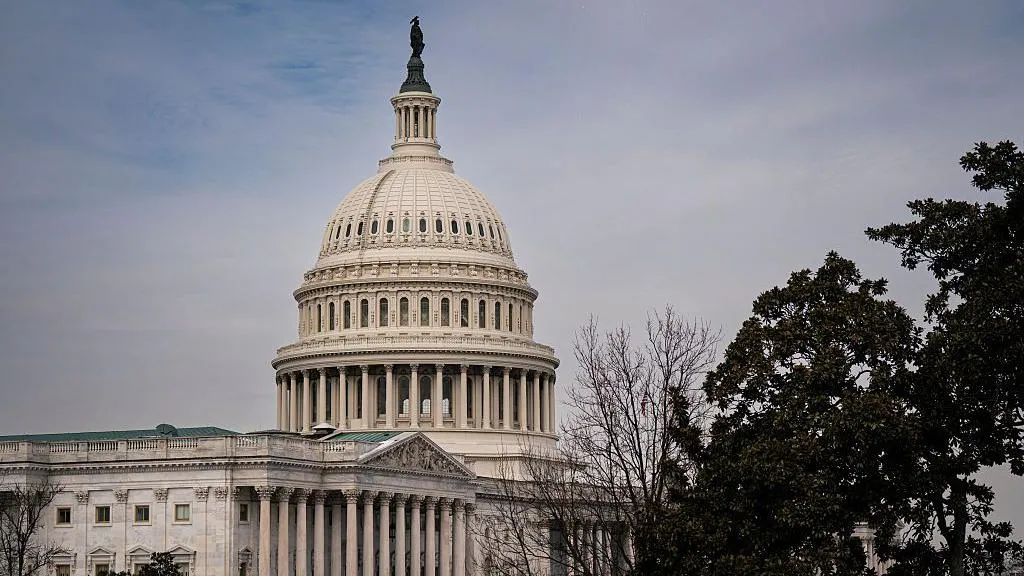
A majority of the US House of Representatives has backed a resolution aimed at ending Trump’s Canada tariffs, marking a significant development in the ongoing debate over US-Canada trade policy. The move signals growing bipartisan concern over the economic consequences of cross-border tariffs and their impact on American businesses and consumers.
The resolution, while politically symbolic at this stage, reflects mounting pressure within Congress to reassess tariff measures imposed on Canadian goods. Lawmakers argue that revisiting tariff policy could strengthen North American trade stability and ease price pressures across key industries.
Congress Moves to Challenge Trump’s Canada Tariffs
The House vote represents a notable effort to influence trade policy traditionally shaped by the executive branch. Supporters of the resolution argue that Canada tariffs have created unnecessary strain on one of the United States’ closest economic partners.
Key arguments from lawmakers backing the resolution include:
- Protecting American manufacturers dependent on Canadian imports
- Lowering input costs for US businesses
- Strengthening diplomatic relations with Canada
- Reducing trade uncertainty for investors
- Stabilizing supply chains across North America
The debate over Trump’s Canada tariffs has intensified in recent months, particularly as inflation concerns and cost-of-living pressures remain central economic issues.
Economic Impact of Canada Tariffs
Tariffs on Canadian goods have affected industries such as:
- Steel and aluminum
- Lumber and construction materials
- Automotive manufacturing
- Agricultural trade
Critics argue that tariffs increase production costs for US companies that rely on Canadian raw materials. Higher costs are often passed on to consumers, potentially contributing to price increases in housing, automobiles, and consumer goods.
Supporters of tariff measures maintain that they protect domestic industries from unfair competition and strengthen US negotiating leverage in trade agreements.
The US House resolution to end Canada tariffs reflects ongoing tension between protectionist trade policy and free-market principles.
US-Canada Trade Relations at a Crossroads
The United States and Canada share one of the largest bilateral trading relationships in the world, with hundreds of billions of dollars in goods and services exchanged annually.
The current debate underscores the importance of:
- Cross-border supply chain integration
- Energy cooperation
- Agricultural exports
- Manufacturing partnerships
Trade analysts warn that prolonged tariff disputes could disrupt integrated industries, particularly in the automotive and construction sectors.
By backing the resolution, the House signals a desire to preserve long-term US-Canada trade stability.
Political Divisions Over Trade Policy
The House vote reveals divisions within Congress over the broader direction of US trade strategy.
Lawmakers supporting the resolution emphasize economic pragmatism and regional economic cooperation. Meanwhile, supporters of maintaining tariffs argue that trade enforcement remains necessary to protect domestic workers.
Trade policy continues to be a politically sensitive issue, particularly in industrial states where manufacturing jobs play a critical role in local economies.
The debate over ending Trump’s Canada tariffs highlights broader questions about America’s approach to global trade.
Business and Market Reaction
Business groups across multiple industries welcomed congressional action aimed at reducing trade barriers.
Manufacturers dependent on Canadian materials argue that tariff removal would:
- Improve cost predictability
- Strengthen supply chain efficiency
- Encourage capital investment
- Enhance global competitiveness
Financial markets reacted cautiously, as investors await clarity on whether the resolution will influence final trade policy decisions.
Analysts note that legislative backing does not automatically translate into immediate tariff removal but increases political pressure for policy reassessment.
Impact on Consumers and Housing Sector
One area closely tied to Canada tariffs is the housing market, particularly lumber imports used in residential construction.
Higher lumber costs have historically contributed to rising homebuilding expenses. Supporters of ending tariffs argue that lifting restrictions could reduce construction costs and ease housing affordability challenges.
The House resolution has therefore gained attention from homebuilders and real estate industry leaders monitoring material prices.
Legal and Procedural Implications
Trade authority in the United States involves both executive powers and congressional oversight. While the president holds significant authority in imposing tariffs, Congress maintains influence through legislative measures and resolutions.
The passage of the resolution signals that lawmakers may seek additional oversight mechanisms if trade tensions escalate.
Policy experts suggest that the outcome will depend on negotiations between congressional leadership and the administration.
International Response and Diplomatic Considerations
Canadian officials have previously expressed concern about tariffs impacting bilateral trade. A congressional move to challenge those tariffs may help ease diplomatic tensions.
Strong US-Canada economic relations are widely viewed as essential for:
- North American economic growth
- Energy independence
- Infrastructure development
- Regional security cooperation
Restoring stability to trade discussions could reinforce confidence among global investors monitoring North American markets.
What Happens Next?
The future of Trump’s Canada tariffs will depend on several factors:
- Senate response to the House resolution
- Executive branch negotiations
- Ongoing trade compliance reviews
- Economic data and inflation trends
While the resolution does not automatically repeal tariffs, it represents a clear signal of congressional sentiment.
Market participants and business leaders will continue monitoring legislative developments for concrete policy changes.
Final Analysis
The decision by a majority of the US House to back a resolution ending Trump’s Canada tariffs marks a pivotal moment in US trade policy discussions. As economic pressures and supply chain challenges persist, lawmakers are increasingly weighing the costs and benefits of tariff measures.
The outcome of this debate could shape the future of US-Canada trade relations, influence manufacturing competitiveness, and impact consumer prices nationwide.
With political divisions evident and economic stakes high, the resolution underscores how trade policy remains central to both domestic economic strategy and international diplomacy.
The coming weeks will determine whether congressional momentum translates into meaningful policy adjustments or further intensifies the national conversation on trade.