US & Israel Strike Iran Today — What You Should Know
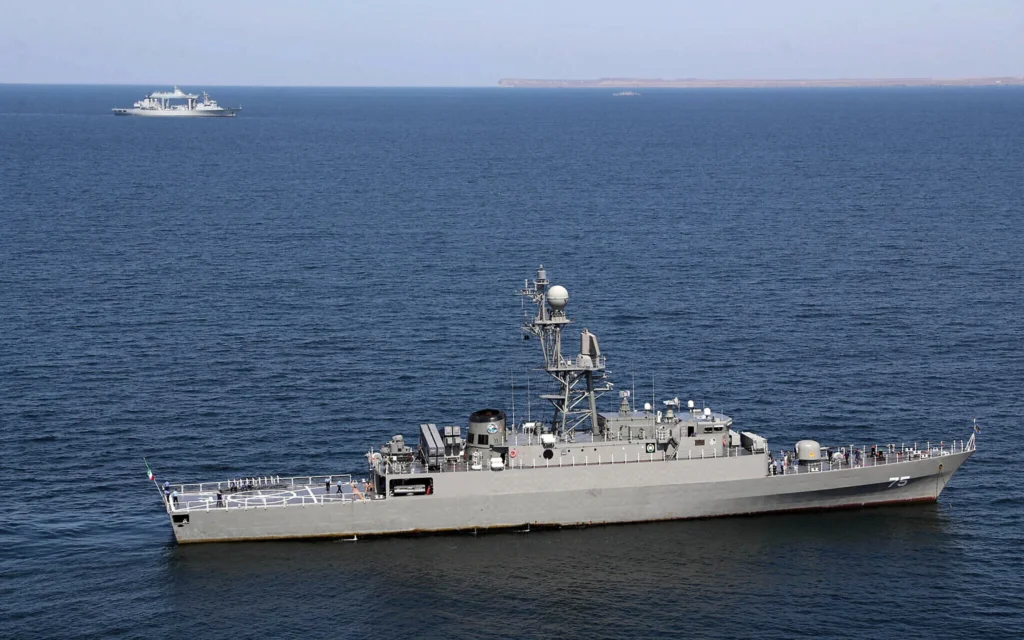
On February 28, 2026, the United States and Israel launched coordinated military strikes on Iran.
This marks a significant escalation in regional conflict and draws global attention.
Here’s the latest, explained clearly so you understand what is happening now and what it means for you.
What Happened Today
• Joint strikes began early today targeting Iranian military and strategic sites.
• Explosions were reported in Tehran and other cities.
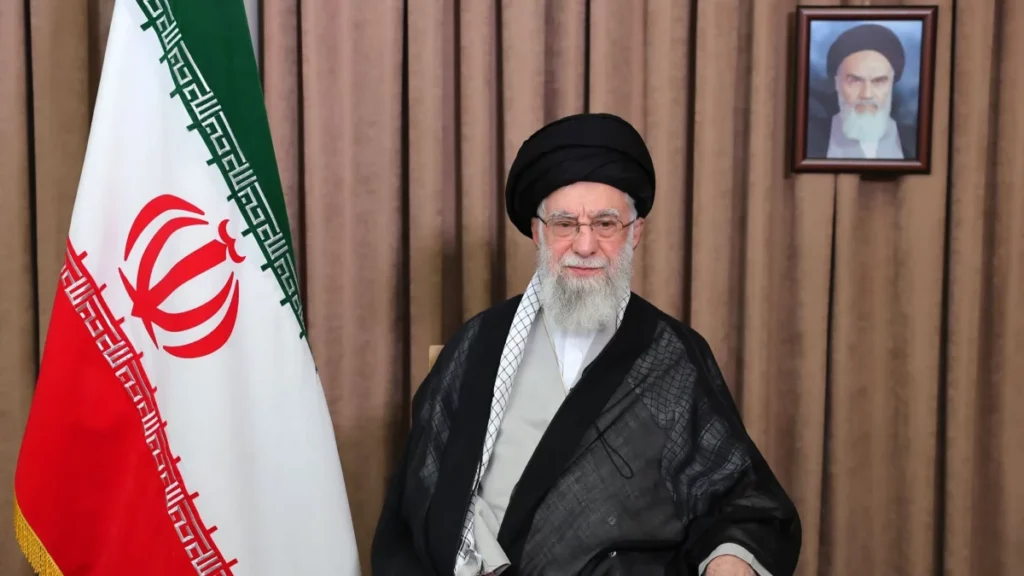
• Iran’s airspace is reportedly shut down and Iran’s Supreme Leader moved to a secure location.
• Israel declared a state of emergency and closed its skies.
• US forces are engaged in what President Trump called “major combat operations.”
• Air raid sirens sounded in Israel after strikes.
This military action is described by Israel as preemptive to eliminate threats, and by the US as necessary to stop Iran’s military and nuclear capabilities.
Why Today’s Strikes Matter to You
You might wonder how this affects your life. Here’s what matters now:
Oil and energy prices react fast.
• Global markets may push fuel prices higher.
• If you buy gas or electricity, your costs may rise.
Travel may be disrupted.
• Some countries are closing or restricting airspace.
• Flights could reroute or delay.
Financial markets can shift quickly.
• Defense and energy stocks may move.
• Travel, airline, and emerging market sectors may dip.
Ask yourself:
• Have you noticed higher fuel prices today?
• Will your budget absorb rising transport costs?
Iran’s Potential Responses
Iran has already vowed counterattacks. Possible replies include:
• Missile strikes towards regional bases
• Cyberattacks on infrastructure
• Support for allied armed groups
Every action increases the chance of broader conflict.
Middle Eastern Impact Today
• Iraq closed its airspace after the strikes.
• Regional governments are reacting publicly. (Some condemn, others caution.)
• Tensions are high across the Middle East.
These moves could affect trade routes, oil shipping, and local economies.
Security and Preparedness
Conflict often triggers security concerns worldwide:
• Governments may issue travel warnings.
• Cybersecurity risks rise — attacks often follow military escalation.
• Businesses adjust risk plans.
You should:
• Check travel advisories if you or family may travel.
• Stay updated through credible news sources.
Economic & Market Effects Today
Today’s events are already influencing markets:
• Oil prices spiked on early trading sessions.
• Stock markets reacted to risk and uncertainty.
• Traders watch energy and defense sectors closely.
If you invest:
• Review your exposure to energy and defense stocks.
• Diversify assets to manage risk.
Political and Diplomatic Fallout
This strike complicates international diplomacy:
• Peace talks between the US and Iran were ongoing but had stalled.
• Many nations are urging restraint, while others criticize military action.
• The US Congress may soon debate war powers.
This shift changes how global leaders negotiate peace.
What Could Happen Next
Today’s strikes could lead to several scenarios:
1. Limited retaliation, then diplomatic talks
• Iran may strike back selectively.
• Talks might resume under pressure.
2. Broader regional conflict
• More nations could get involved.
• This would affect markets and security deeply.
3. Continued escalation with back-and-forth strikes
• Conflict could escalate over weeks.
Watch actions, not just statements. The next few days are critical.
Your Action Steps Right Now
• Stay informed with trusted news.
• Monitor price changes in fuel and food.
• Check travel routes if you have travel plans.
• Avoid misinformation — only share verified updates.
Global events move fast today. Your response should be based on facts, not fear.
Today’s strike by the US and Israel on Iran reshapes the Middle East.
It affects markets, security, and global relations.
Follow developments carefully — what happens next matters to you economically and politically.