Trump’s Social Media Vetting Plan Deters International Tourists
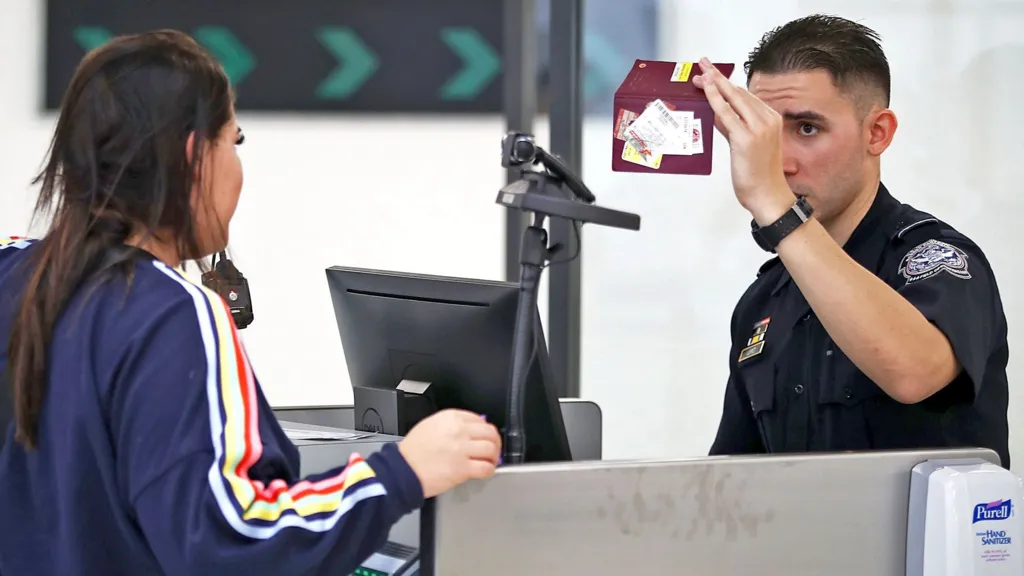
The promise of a streamlined travel experience to the United States is facing a significant new hurdle. A policy set to take effect in 2025, requiring travelers from visa-waiver countries to disclose their social media handles during the ESTA application process, is creating a wave of apprehension across Europe and other allied nations. What was marketed as an enhanced security measure is now being cited as a primary deterrent, with potential visitors citing privacy concerns and fears of ideological screening as reasons to reconsider their travel plans.
A New Digital Border: From ESTA to Social Media Scrutiny
For years, travelers from nearly 40 countries, including most of Europe, the UK, Australia, and Japan, have utilized the Electronic System for Travel Authorization (ESTA) for short visits to the U.S. The process has been relatively straightforward, requiring biographic and passport information. The new rule, a revival and expansion of a previous proposal, fundamentally changes that dynamic.
Starting in 2025, the application will include a mandatory field for applicants to provide identifiers for platforms like X (formerly Twitter), Facebook, Instagram, and LinkedIn. While providing passwords will not be required, the move grants U.S. Customs and Border Protection (CBP) officers direct access to the public—and potentially private, through data broker partnerships—content of international visitors.
Proponents argue this is a necessary evolution of security in the digital age, a tool to identify potential threats who may not appear on traditional watchlists. However, the implementation has sparked immediate and intense backlash from civil liberties groups, foreign governments, and the tourism industry itself.
Chilling Effect: Why Tourists Are Thinking Twice
The reaction from the international community has been swift and negative. Travel industry analysts report a noticeable shift in sentiment, with many would-be visitors choosing to avoid the perceived intrusion altogether.
Privacy as a Paramount Concern
In an era of heightened data sensitivity, especially following regulations like the EU’s GDPR, the requirement to hand over social media identifiers feels like a profound violation to many. There is a fundamental unease about a foreign government systematically archiving and analyzing one’s digital persona—a persona that includes family photos, political discussions, and personal connections.
*
*
The Fear of Ideological and Political Screening
Beyond privacy, there is a palpable fear that the policy will be used for ideological vetting. Travelers from allied democracies are concerned that expressing views critical of the U.S. administration or its policies could lead to a denied ESTA or intense questioning at the border.
“The message it sends is that your political speech, even in your own country on your own time, could make you unwelcome in America,” noted a European digital rights advocate. This perception is particularly damaging to the U.S.’s image as a beacon of free expression and open exchange.
Economic Repercussions for U.S. Tourism and Business
The tourism industry, a critical economic driver, is sounding the alarm. The U.S. Travel Association has warned that creating additional friction for visa-waiver travelers—who are typically high-spending visitors—could have severe economic consequences.
*
*
*
Legal and Diplomatic Challenges on the Horizon
The policy is not just facing public relations challenges; it is on a collision course with legal and diplomatic norms.
Clash with European Data Protection Laws
The European Union has already expressed “serious concerns” regarding the compatibility of the social media vetting plan with the General Data Protection Regulation (GDPR). The GDPR strictly governs the transfer of personal data of EU citizens to third countries. The U.S. lacks a comprehensive federal data privacy law, and the previous data-sharing framework (Privacy Shield) was struck down by European courts. A new legal challenge is widely anticipated, which could complicate or delay implementation for European travelers.
Straining Transatlantic Relations
Requiring citizens of longstanding allies to submit to such scrutiny is viewed by many foreign governments as an affront. It treats friendly nations with suspicion and undermines trust at a diplomatic level. Officials have privately questioned the security yield of such a broad, untargeted approach, arguing it sows discord while potentially missing genuine, sophisticated threats who operate outside of public social media.
Looking Ahead: A Barrier to Open Exchange
As the 2025 implementation date approaches, the debate is intensifying. The core question remains: does the potential, and still unproven, security benefit of social media vetting for millions of lawful tourists outweigh the certain costs to privacy, international relations, and the U.S. economy?
The current evidence suggests a clear trend. The perception of the United States as an open and welcoming destination is eroding, replaced by an image of a fortress conducting digital surveillance at its gates. For a country whose soft power and economic vitality are deeply tied to global exchange, this policy may secure the border in theory while isolating the nation in practice. The true cost will be measured not just in denied ESTAs, but in lost cultural connections, forgone business deals, and a diminished standing in the eyes of the world. For many international tourists, the message is clear: the hassle and intrusion are no longer worth the trip.