Kim Jong Un Escalates Nuclear Stance, Declares South Korea Hostile
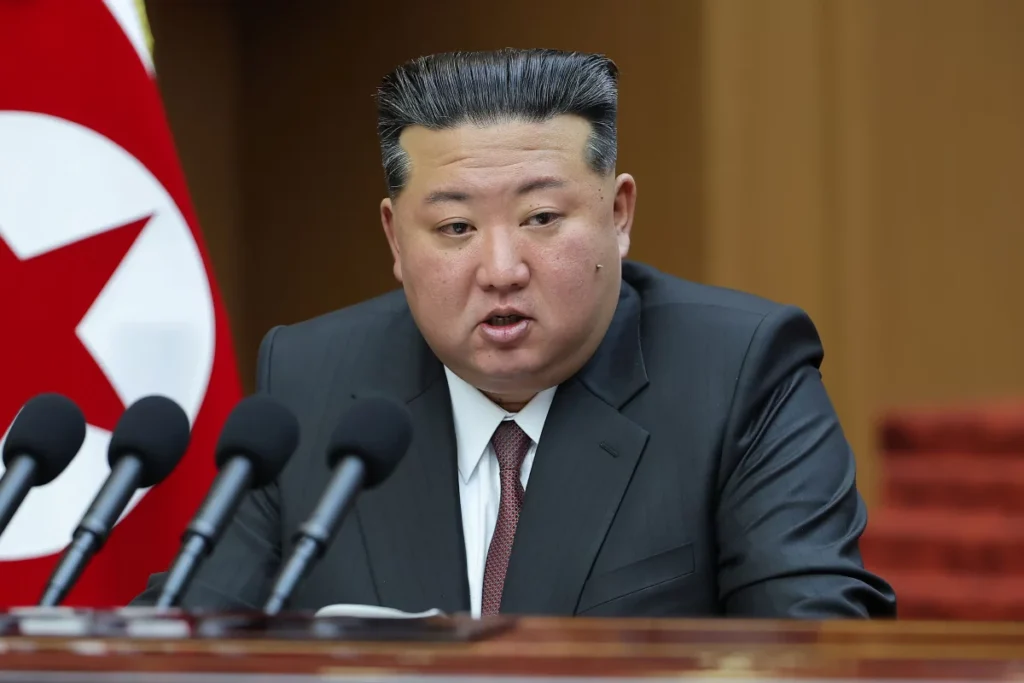
The Korean Peninsula has entered a dangerous new phase. In a dramatic and definitive shift, North Korean leader Kim Jong Un has formally declared South Korea to be a hostile, belligerent state, permanently abandoning the long-held—if often illusory—goal of peaceful reunification. This move, announced through state media and a radical constitutional change, marks the most explicit escalation in years and fundamentally reshapes the security calculus for Seoul, Washington, and the entire region.
A Constitutional Shift: Erasing the Idea of a Shared Homeland
The centerpiece of this escalation is a fundamental rewrite of North Korea’s constitution. For decades, the North’s legal framework, however contradictory to its actions, contained language identifying the South as a partner for eventual reunification. That pretense is now completely gone.
Key Changes in North Korea’s Policy
- South Korea Redefined: The constitution now codifies the South as the “primary foe” and a “constant military threat,” not a fellow Korean state.
- Reunification Doctrine Scrapped: Agencies dedicated to inter-Korean dialogue and reunification efforts have been ordered dissolved.
- Monuments Removed: Symbolic acts, including the reported removal of a major reunification monument in Pyongyang, physically underscore the ideological break.
This isn’t merely rhetorical posturing; it is a legal and institutional dismantling of the inter-Korean relationship, creating a new baseline for permanent confrontation.
The Nuclear Dimension: A Chilling Warning to Seoul and Washington
Kim Jong Un’s declarations were inextricably linked to his nuclear arsenal. He stated unequivocally that North Korea would not hesitate to use its nuclear weapons if provoked, with a specific and chilling focus on the “territory of the Republic of Korea”—using the South’s official name to emphasize the sense of foreign enmity.
Analysts interpret this as a direct threat of tactical nuclear strikes against South Korean and U.S. military bases in the event of a conflict, moving beyond previous, more ambiguous deterrent postures aimed at the United States. This policy shift does three things:
- Justifies an unchecked expansion of North Korea’s nuclear program.
- Aims to deter South Korea from any form of counter-provocation or defense.
- Seeks to drive a wedge between Seoul and Washington by raising the potential cost of U.S. defense commitments.
Timing and Context: Why Now?
The timing of this aggressive pivot is critical and stems from a confluence of factors.
Upcoming U.S. Elections and Political Calculus
With the United States entering another intense election cycle, Kim Jong Un may be positioning himself for potential future diplomacy—or confrontation. The specter of a possible second Trump administration looms large. By taking an extreme position now, Kim potentially creates a “crisis” that he could later “solve” through direct talks, seeking maximum concessions, as he did in 2018. Alternatively, he may believe a distracted U.S. political landscape provides an opportunity for accelerated weapons testing with reduced repercussions.
South Korea’s Firm Stance and Military Drills
The conservative administration in Seoul has taken a notably harder line than its predecessor, emphasizing strengthened deterrence, joint military exercises with the U.S., and a clear-eyed view of the North’s threats. From Pyongyang’s perspective, this justifies its hostile reclassification. The cycle of allied drills and North Korean weapons tests has created a feedback loop of escalation, with Kim using the drills as a pretext for his own advancements.
Solidifying the “New Cold War” Narrative
North Korea aligns its new stance with its view of a world divided between the U.S.-led “imperialists” and an anti-U.S. axis. By declaring the South a permanent enemy, Kim solidifies his regime’s identity and rallies domestic support around a siege mentality and military-first policy.
Implications for Regional and Global Security
The ramifications of this shift are profound and dangerous.
- For South Korea: The security threat is now explicit and existential. It will force a rigorous review of defense plans, likely leading to calls for enhanced missile defense, more assertive counter-strike capabilities, and potentially revisiting debates about sovereign nuclear armament.
- For the U.S.-South Korea Alliance: The alliance is being directly tested. The U.S. must reaffirm its ironclad extended deterrence guarantee, including the strategic nuclear umbrella, with even greater clarity and demonstrated capability. Coordination on contingency planning will become more urgent.
- For Diplomacy: The path to dialogue is now buried under significantly more debris. Any future talks would require navigating this new, hostile legal framework, making the bar for engagement much higher.
- For Regional Stability: Northeast Asia, already tense, faces increased risk of miscalculation. Every routine military exercise or new weapons test will carry heavier symbolic weight, increasing the chance of an accidental spiral.
Looking Ahead: A Peninsula on the Brink
Kim Jong Un has chosen to burn the fragile bridges that remained, opting for a strategy of overt nuclear-backed intimidation. The declaration that South Korea is a hostile state is not a temporary provocation but a calculated, long-term strategic shift.
The coming months will be critical. The international community, particularly the United States, South Korea, and Japan, must respond with unified, resolute deterrence while keeping diplomatic channels open to manage crises. The goal must be to prevent Kim’s dangerous new doctrine from being translated into action. The Korean Peninsula has officially moved from a tense armistice to a state of declared hostility, and the world must adjust to this alarming new reality before a misstep leads to catastrophe.