
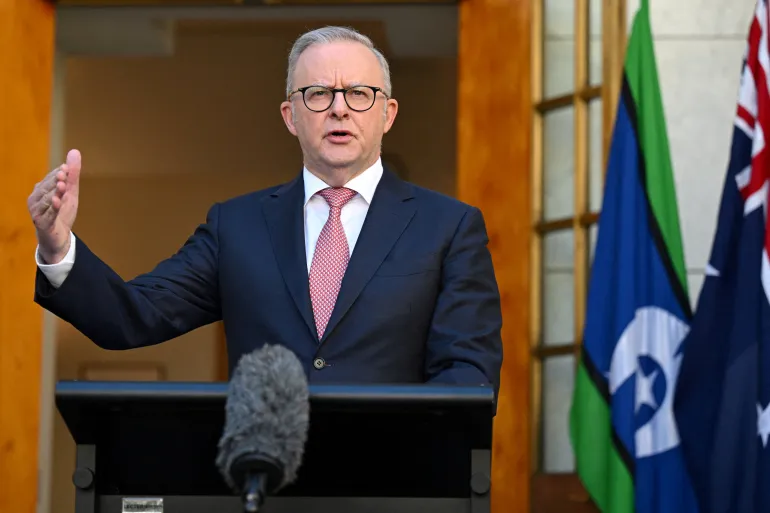
Australia Cuts Fuel Tax in Half Amid Global Energy Price Surge
In a decisive move to shield its citizens and economy from the escalating pressures of a worldwide energy crunch, the Australian government has announced a dramatic intervention. Effective immediately, the federal fuel excise tax will be slashed by 50%, a measure designed to provide direct and substantial relief at the petrol pump. This bold policy shift comes as nations across the globe grapple with the cascading effects of geopolitical instability, supply chain disruptions, and soaring demand, which have collectively sent oil and gas prices to staggering highs.
The announcement, made by the Treasurer, signals a clear priority: protecting household budgets and supporting business viability during a period of significant inflationary pressure. With the cost of living becoming a central concern for millions of Australians, this tax cut aims to put money back into people’s pockets and keep the wheels of the national economy turning.
The Global Crisis Driving Local Action
To understand the magnitude of Australia’s response, one must first look at the turbulent international landscape. The global energy market is experiencing a perfect storm of challenges that have forced governments to consider extraordinary measures.
Key Factors Behind the Worldwide Price Surge
The current crisis is not born from a single event but a confluence of several powerful forces:
- Geopolitical Tensions: Ongoing conflicts and sanctions in key oil-producing regions have severely constrained global supply, creating a significant deficit in the market.
- Post-Pandemic Demand Rebound: As economies worldwide roared back to life after COVID-19 lockdowns, the demand for fuel and energy skyrocketed, outpacing the ability of producers to ramp up supply.
- Supply Chain Bottlenecks: From shipping logistics to refinery capacity, persistent bottlenecks continue to disrupt the smooth flow of energy products to consumers.
- Strategic Reserve Fluctuations: Many nations have drawn heavily on their strategic petroleum reserves, diminishing a crucial buffer against market shocks.
This complex web of issues means that high prices are not a fleeting trend but a structural reality for the foreseeable future, compelling nations like Australia to take domestic action.
Breaking Down the Australian Fuel Tax Cut
The Australian fuel excise is a per-litre tax applied to petrol and diesel. The government’s decision to halve this tax represents one of the most significant cost-of-living relief measures in recent history.
Immediate Impact at the Pump
The arithmetic is straightforward and impactful. With the excise previously at a fixed rate per litre, a 50% reduction translates to a direct and immediate drop in retail fuel prices. For the average family car with a 60-litre tank, this could mean savings of over $20 to $30 every time they fill up. For logistics companies, farmers, and tradespeople who consume diesel in large quantities, the cumulative savings will be substantial, helping to curb rising operational costs that would otherwise be passed on to consumers.
Funding the Measure: A Fiscal Balancing Act
Such a significant cut to a major revenue stream does not come without consequences. The fuel excise traditionally funds vital national infrastructure projects, including road construction and maintenance. The government has assured the public that this essential funding will be maintained through budget reallocations, emphasizing that supporting the economy now is an investment in future resilience. The policy is framed as a temporary, emergency measure, though its duration will be closely tied to the evolution of the global energy market.
Broader Economic Implications and Reactions
The policy has been met with a mix of relief and analytical scrutiny. Economists and industry groups are weighing the immediate benefits against the longer-term economic implications.
- Inflationary Pressures: By reducing a major input cost for transportation, the tax cut could help moderate headline inflation figures. Lower fuel costs can slow the rise in prices for goods and services across the board, from groceries to utilities.
- Consumer Confidence and Spending: Putting money back into household budgets can boost consumer confidence and discretionary spending in other sectors of the economy, providing a stimulative effect.
- Industry Relief: Sectors like tourism, agriculture, and manufacturing, which are heavily reliant on transport, will welcome the reprieve from crippling fuel bills.
- Political and Public Response: While broadly popular with the public facing high weekly expenses, some critics argue the measure could delay a necessary national conversation about energy independence and the transition to alternative fuels.
A Comparative Look: How Australia’s Response Stacks Up
Australia is not alone in taking direct action. Governments worldwide are deploying a range of tools to mitigate the crisis, offering a fascinating comparative landscape.
- Direct Subsidies: Several European and Asian nations have implemented direct price caps or government subsidies to offset costs for consumers.
- Tax Reductions: Similar to Australia, countries like the United Kingdom have temporarily cut fuel duties to provide relief.
- Cash Payments: Some governments have opted for targeted one-off cash payments to low- and middle-income households to help cover rising energy bills.
- Strategic Reserve Releases: Coordinated international releases of oil from strategic reserves have been used in an attempt to calm global markets.
Australia’s choice of a straightforward excise cut is notable for its simplicity and speed, ensuring the benefit flows quickly and is visible to every consumer.
The Road Ahead: Temporary Relief or a New Direction?
The critical question now is: what happens next? The government has been clear that this is a temporary crisis response. However, the global energy landscape may be fundamentally altered, prompting deeper questions about national strategy.
Long-Term Considerations for Energy Security
This crisis has starkly highlighted vulnerabilities in global supply chains and the risks of dependence on volatile international markets. It is likely to accelerate discussions around:
- Domestic Energy Sovereignty: Investing in and securing Australia’s own energy resources and refining capabilities.
- Accelerating the Energy Transition: Doubling down on investments in renewable energy, electric vehicle infrastructure, and other technologies that reduce long-term reliance on fossil fuels.
- Building Economic Resilience: Developing more robust systems to withstand future global shocks, whether from climate change, geopolitics, or pandemics.
The halving of the fuel tax is a powerful short-term analgesic for a painful economic symptom. Its ultimate legacy, however, may be measured by whether it serves as a catalyst for a more strategic, self-sufficient, and sustainable energy future for Australia. For now, millions of drivers will feel the immediate relief, offering a crucial buffer as the world navigates an uncertain and costly energy landscape.

