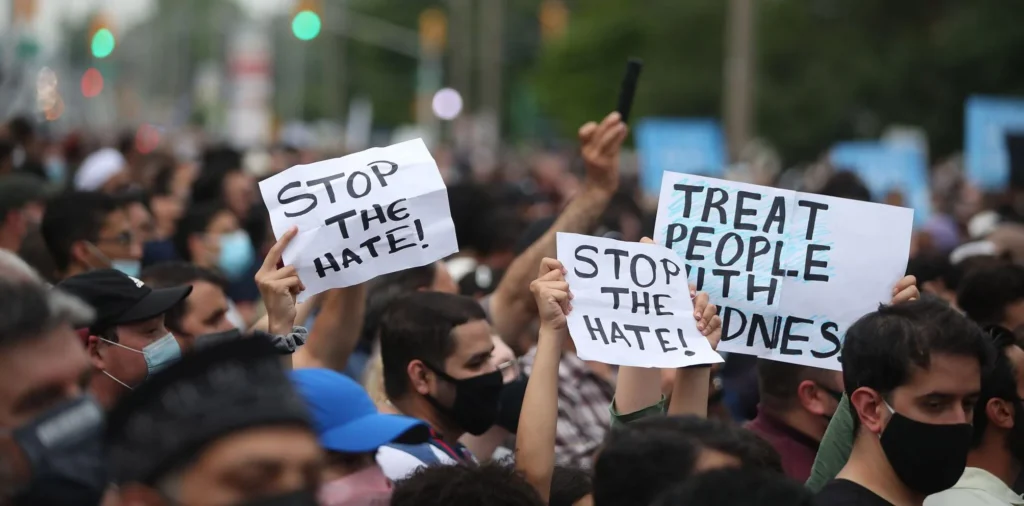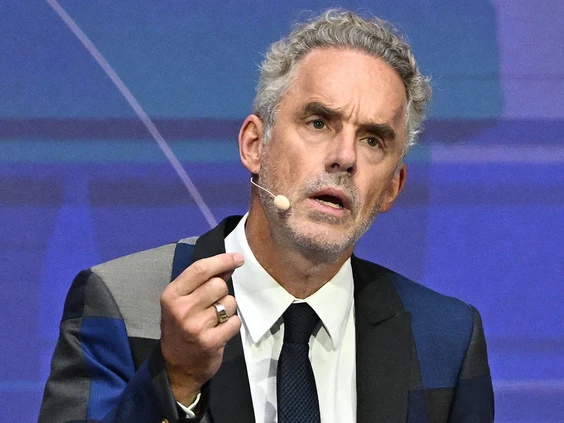
In an era where public discourse often feels stifled by fear and formal complaints, a bold move from Alberta is challenging the status quo. The province’s recent Protection of Free Speech in Professions and Occupations Act has ignited a crucial national conversation. Championed by figures like Dr. Jordan Peterson and Amy Hamm, this legislation directly confronts the regulatory overreach of professional colleges, safeguarding the right of professionals to express personal opinions without fear of losing their livelihood. The question now echoing from coast to coast is clear: if this law is a necessary corrective in Alberta, why shouldn’t all Canadians enjoy the same protection?
The Chilling Effect: When Regulators Become Censors
For years, professionals across Canada—from psychologists and teachers to engineers and nurses—have operated under a cloud of uncertainty. The case of Dr. Jordan Peterson, who was compelled by the College of Psychologists of Ontario to undergo mandatory social media training for his commentary, became a national flashpoint. Similarly, Alberta nurse Amy Hamm faced a grueling disciplinary process over her gender-critical views expressed outside her workplace.
These are not isolated incidents. They represent a systemic issue where provincial licensing bodies, tasked with regulating professional conduct, have increasingly ventured into policing personal conscience and lawful speech. The mechanism is simple and devastatingly effective:
- A professional expresses a personal opinion on a social or political issue.
- A complaint is lodged with their professional college, often by ideological opponents.
- The college initiates a costly, stressful, and public disciplinary process, alleging “conduct unbecoming” or harming the profession’s reputation.
The result is a profound chilling effect. Many professionals choose self-censorship, silencing valuable perspectives and impoverishing public debate, all to avoid the career-threatening nightmare of a disciplinary hearing.
Alberta’s Legislative Solution: A Blueprint for Freedom
Alberta’s new law, spearheaded by Justice Minister Mickey Amery, draws a bright, unequivocal line. It prevents professional governing bodies from penalizing members for their lawful expression on public issues, as long as that expression does not constitute professional misconduct, incite violence, or is not made while acting in their professional capacity.
Core Protections of the Act:
- It shields expressions of opinion on matters of public interest.
- It protects statements of political or religious belief.
- It ensures colleges cannot compel members to adopt specific social, political, or religious viewpoints.
This is not a law that allows professionals to act unprofessionally. A doctor giving negligent medical advice to a patient or an engineer signing off on faulty designs remains fully accountable. Instead, it defends the private citizen behind the professional license, affirming that their right to participate in society’s conversations does not end when they receive their diploma.
The National Imperative: Why Every Province Should Follow Suite
The principles underpinning Alberta’s law are not provincial—they are foundational to a free and democratic society. The current patchwork of regulation, where a social media post can end a career in one province but not another, is untenable and unjust. A nationwide adoption of this principle is sorely needed for three critical reasons.
1. To Restore Intellectual Diversity and Trust in Professions
When professionals are afraid to speak honestly, public discourse suffers. We lose the nuanced perspectives of educated individuals who interact deeply with society’s challenges. Furthermore, the spectacle of colleges punishing members for political views erodes public trust, making these institutions look like partisan actors rather than impartial guardians of professional standards.
2. To Halt the Weaponization of Complaint Systems
Disciplinary processes are meant to protect the public from genuine malpractice. They are not designed, and must not be used, as a tool for interest groups to silence opponents through vexatious complaints. Alberta’s law disarms this tactic, ensuring complaint systems serve their true purpose.
3. To Uphold a Unified Canadian Commitment to Fundamental Freedoms
Section 2(b) of the Canadian Charter of Rights and Freedoms guarantees freedom of thought, belief, opinion, and expression. Allowing 50+ professional colleges to create a labyrinth of speech codes that override this fundamental freedom is a legal and ethical absurdity. A consistent national standard aligns regulatory law with constitutional law.
Addressing the Critics: Not a License for Harm
Opponents may argue such a law protects hate speech or allows professionals to spread misinformation. This mischaracterizes the legislation. It explicitly protects lawful expression. Hate speech, defamation, and incitement to violence remain illegal and subject to criminal and civil law—as they should be.
The law also maintains a college’s rightful jurisdiction over job-related speech and conduct. The boundary is clear and sensible: Are you speaking as a private citizen on a public issue, or are you acting in your official professional capacity? Upholding this distinction is the hallmark of a mature, rights-respecting society.
A Call for Courage Beyond Alberta’s Borders
Alberta has taken a courageous stand, placing a check on the soft authoritarianism of mission-creep within professional governance. The cases of Jordan Peterson, Amy Hamm, and countless others who faced quieter intimidation highlight a crisis that extends far beyond one province’s borders.
Canada’s reputation as a bastion of free expression is at stake. Legislators in every provincial capital now face a choice: will they uphold the classical liberal principle that a professional’s expertise in one field does not nullify their rights as a citizen in all others? Will they protect the teacher, the accountant, or the social worker who wishes to contribute to the public square without surrendering their career to an ideological tribunal?
The Protection of Free Speech in Professions and Occupations Act provides the blueprint. It is a measured, principled, and necessary reform. For the health of our professions, the vitality of our democracy, and the preservation of a fundamental Canadian right, it is time for this Alberta law to go national.