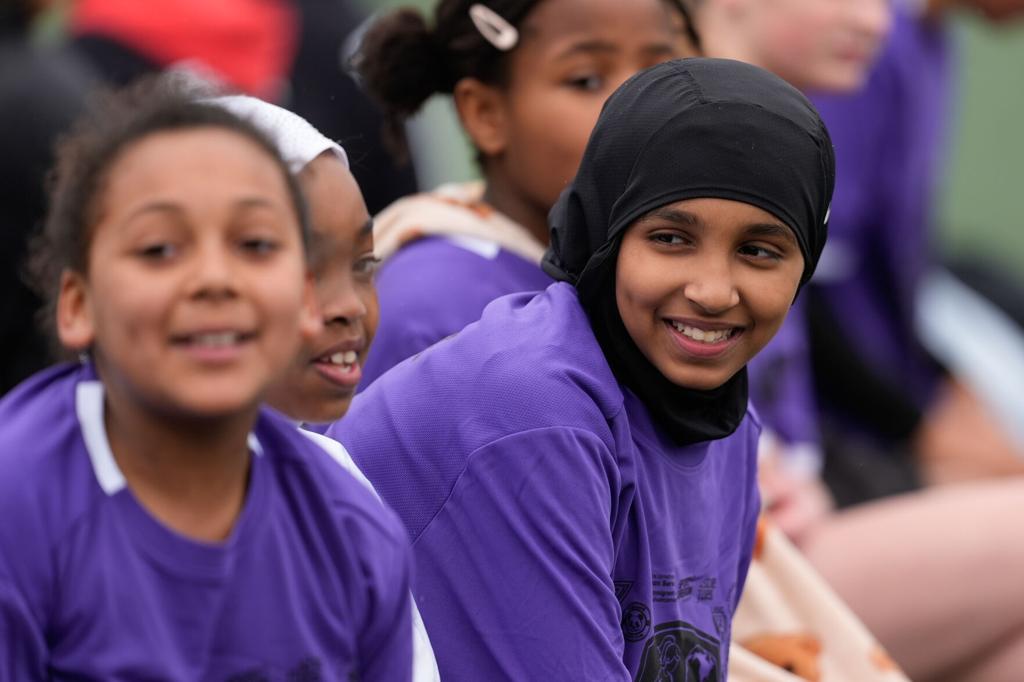
Empowering Immigrant Girls Through Soccer and Community Support
In a world where headlines often paint a picture of division and fear, a powerful counter-narrative is being written on soccer fields across the United States. For young immigrant girls, the journey to a new country is filled with both immense possibility and profound challenge. Beyond navigating a new language and culture, many carry the heavy, unspoken weight of uncertainty regarding immigration status and the ever-present fear of family separation. In this complex landscape, a simple game of soccer is emerging as a profound tool for empowerment, community, and healing.
More Than a Game: A Sanctuary on the Field
Organizations and community leagues are increasingly recognizing that for immigrant youth, especially girls, sports provide far more than physical activity. The soccer field transforms into a sanctuary—a level playing ground where status, language barriers, and background fade against the universal language of the game. Here, the primary goals are teamwork, joy, and personal achievement.
This model is brilliantly exemplified by initiatives like the “Copa Inmigrante” or Immigrant World Cup, a tournament specifically designed for immigrant girls. Such programs understand that empowerment begins with a sense of safety and belonging. Coaches and organizers often come from similar backgrounds, serving as crucial mentors and trusted adults who understand the unique pressures these girls face.
The Dual Challenge: Navigating Adolescence and Immigration
Adolescence is a universally tumultuous time. For immigrant girls, this period is compounded by layers of complexity:
- Cultural Negotiation: Balancing the traditions and expectations of their family’s heritage with the social norms of their new environment.
- Language Barriers: Facing the daily challenge of communication, which can lead to isolation in school and community settings.
- Economic Pressure: Often living in low-income households where parents work multiple jobs, limiting family time and resources.
- The Shadow of Fear: Living with the acute anxiety of immigration enforcement, known colloquially as the “ICE fears,” which can create a constant state of stress and hypervigilance.
In this context, a scheduled practice or a weekend game becomes more than an extracurricular activity; it becomes a reliable refuge, a space of consistency where girls can simply be kids and athletes, free from the burdens they carry off the field.
Building Resilience Through Teamwork and Identity
Soccer, as a team sport, inherently teaches lessons that directly combat feelings of isolation and powerlessness. The core tenets of the game foster critical life skills:
- Communication and Trust: On the field, players learn to communicate and rely on one another, building trust that often translates into off-field friendships and support networks.
- Leadership and Voice: Captaining a team or calling for a pass empowers girls to use their voice, a vital skill for advocating for themselves in other areas of life.
- Resilience and Perseverance: Learning to lose a game and come back to practice the next week builds mental toughness. This resilience is directly applicable to overcoming the inevitable obstacles in their personal journeys.
- Positive Identity Formation: Instead of being defined by a status or a stereotype, these girls can define themselves as midfielders, defenders, scorers, and captains. This athletic identity is a source of immense pride and confidence.
The Ripple Effect: Strengthening Families and Communities
The impact of these soccer programs extends far beyond the individual player. Games and tournaments become community events where families gather, share food, and connect. For parents who may feel isolated themselves, it creates a vital support network.
Seeing their daughters thrive, compete, and lead instills a deep sense of hope and pride. Furthermore, by engaging with these programs, families often gain better access to community resources, legal aid, and educational support that organizers frequently help facilitate. The soccer team becomes a gateway to a wider ecosystem of care and assistance, strengthening the entire family unit against the challenges they face.
A Goal Beyond Winning: Changing the Narrative
The ultimate mission of these empowerment-through-soccer initiatives is not to produce professional athletes, though that may happen. The goal is to change the narrative surrounding immigration and young girls.
It’s about shifting the focus from a story of fear and vulnerability to one of strength, agency, and contribution. When these girls step onto the field, they are not victims or statistics; they are athletes with determination, skill, and dreams. They are leaders in the making.
This positive visibility is crucial. It challenges societal perceptions and reminds communities of the incredible potential that immigrant youth bring. Their joy, teamwork, and dedication on the field serve as a powerful testament to the positive role they play in the fabric of their neighborhoods and cities.
How to Support the Movement
The success of these programs relies on community awareness and support. For those inspired by this model, here are ways to contribute:
- Volunteer: Local leagues often need coaches, assistant coaches, translators, and event helpers.
- Donate: Contributions can fund equipment, uniforms, field rentals, and tournament fees for families who cannot afford them.
- Advocate: Support policies and community funding that make sports accessible to all youth, regardless of background.
- Amplify: Share the stories and successes of these programs to raise awareness of their transformative impact.
In the end, the beautiful game is proving to be a beautiful solution. By providing a ball, a field, and a supportive community, we can help immigrant girls trade fear for fortitude, anxiety for aspiration, and isolation for a powerful sense of team and self. On these fields of play, they are not just building skills for soccer; they are building the confidence, community, and resilience to navigate their world and shape their own futures.