
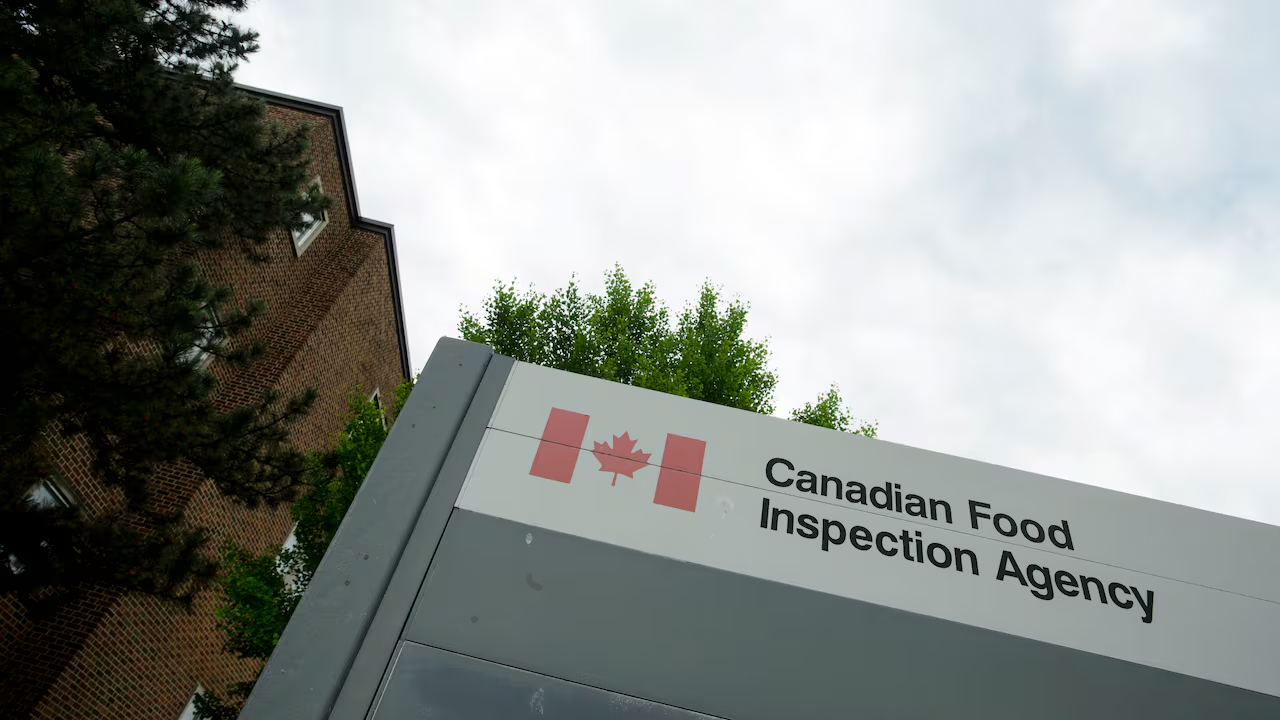
A significant and growing food safety warning has been issued for various nuts and trail mixes sold nationwide. The recall, initially more limited, has now been expanded by the Canadian Food Inspection Agency (CFIA) due to potential Salmonella contamination, posing a serious health risk, particularly to children, the elderly, and those with weakened immune systems.
The affected products were distributed across multiple provinces and sold through various retailers, including major grocery chains in the Greater Toronto Area and beyond. Consumers are urged to immediately check their pantries and discard any products matching the recall details.
Understanding the Salmonella Risk
Salmonella is a type of bacteria that causes foodborne illness, known as salmonellosis. Symptoms typically appear within 6 to 72 hours after ingestion and can last for several days. While most people recover without specific treatment, the infection can be severe and even life-threatening for vulnerable groups.
Common Symptoms to Watch For:
- Fever
- Chills
- Diarrhea
- Abdominal cramps
- Nausea and vomiting
- Headache
If you suspect you have become ill from consuming a recalled product, contact your healthcare provider. In severe cases, Salmonella infection can spread from the intestines to the bloodstream and require hospitalization.
Detailed List of Recalled Products
The recall encompasses a wide range of nut and seed products packaged under several brand names. The CFIA is advising consumers not to consume, serve, use, sell, or distribute the recalled items. Products were sold in various package sizes, from small bags to larger bulk containers.
Key Brand Names and Products Involved:
- Bulk Barn: Various nuts, seeds, and trail mixes sold in bulk. Specific item codes are listed on the CFIA website.
- President’s Choice: Certain PC Organics trail mixes and raw almonds.
- Western Family: Select batches of mixed nuts and roasted almonds.
- Various other national and store-brand labels.
Important Note: This is not an exhaustive list. The recall is dynamic, and new products may be added. The most reliable source is the CFIA’s official recall website, which provides up-to-date product codes, lot numbers, and best-before dates.
What Toronto and GTA Residents Need to Do
Given the widespread distribution of these products in Ontario, residents in Toronto, Mississauga, Brampton, and surrounding areas should be especially vigilant.
- Check Your Home: Inspect your kitchen cabinets, pantries, and any snack containers for the recalled nuts, seeds, or trail mixes.
- Do Not Taste Test: You cannot see or smell Salmonella contamination. If the product matches the recall, throw it out immediately or return it to the place of purchase.
- Clean Contaminated Surfaces: If the recalled product was stored in a container or came into contact with kitchen surfaces, wash those areas thoroughly with hot, soapy water to prevent cross-contamination.
- Contact the Store: If you recently purchased a recalled item, you can contact the retailer for information about returns and refunds.
How This Nationwide Recall Unfolded
Food recalls often begin with targeted warnings and expand as investigators trace the contamination source through the supply chain. This appears to be the case here. The initial recall notice was limited to specific products and lot numbers. As the CFIA’s investigation continued, in collaboration with public health partners, it led to the discovery of a broader range of affected items from the same source of contamination.
This expansion highlights the complexity of modern food distribution, where a single contaminated ingredient from one processor can be incorporated into dozens of different products sold under multiple brand names across the country.
Protecting Your Family from Foodborne Illness
Beyond this specific recall, you can take general steps to minimize the risk of Salmonella and other foodborne pathogens in your home.
Safe Food Handling Practices:
- Wash Hands and Surfaces: Always wash hands with soap and warm water before and after handling food. Clean countertops, cutting boards, and utensils.
- Separate to Avoid Cross-Contamination: Keep raw meat, poultry, and seafood away from ready-to-eat foods like nuts, fruits, and vegetables. Use separate cutting boards.
- Cook to Safe Temperatures: Use a food thermometer to ensure meats are cooked to a temperature high enough to kill harmful bacteria. Note: This does not apply to the recalled nuts, which are ready-to-eat.
- Refrigerate Promptly: Never leave perishable food out for more than two hours (or one hour if the temperature is above 32°C/90°F).
The Role of the Canadian Food Inspection Agency
The CFIA is responsible for safeguarding Canada’s food supply. When a potential hazard is identified, often through illness reports or routine testing, they initiate an investigation and a public recall if necessary. Their website is the primary and most authoritative source for ongoing recall information.
Consumers are encouraged to report any suspected food safety issues or illnesses to the CFIA. This public reporting is a crucial part of the system that helps identify outbreaks and trigger recalls to protect others.
Staying Informed on Food Recalls
To stay updated on this and other food recalls, you can:
- Bookmark the CFIA’s Recalls and Safety Alerts webpage.
- Follow the CFIA on social media platforms like Twitter and Facebook.
- Sign up for the CFIA’s email notification service for recalls.
- Pay attention to news reports and in-store recall notices from your grocery retailer.
The expansion of this Salmonella-related nut recall serves as a critical reminder for all Canadians to stay alert about food safety notifications. By taking immediate action to discard the recalled products, practicing safe food handling, and using official resources for information, you can help protect your health and the health of your loved ones.

