Family of Slain Iranian General Qasem Soleimani Arrested in Los Angeles
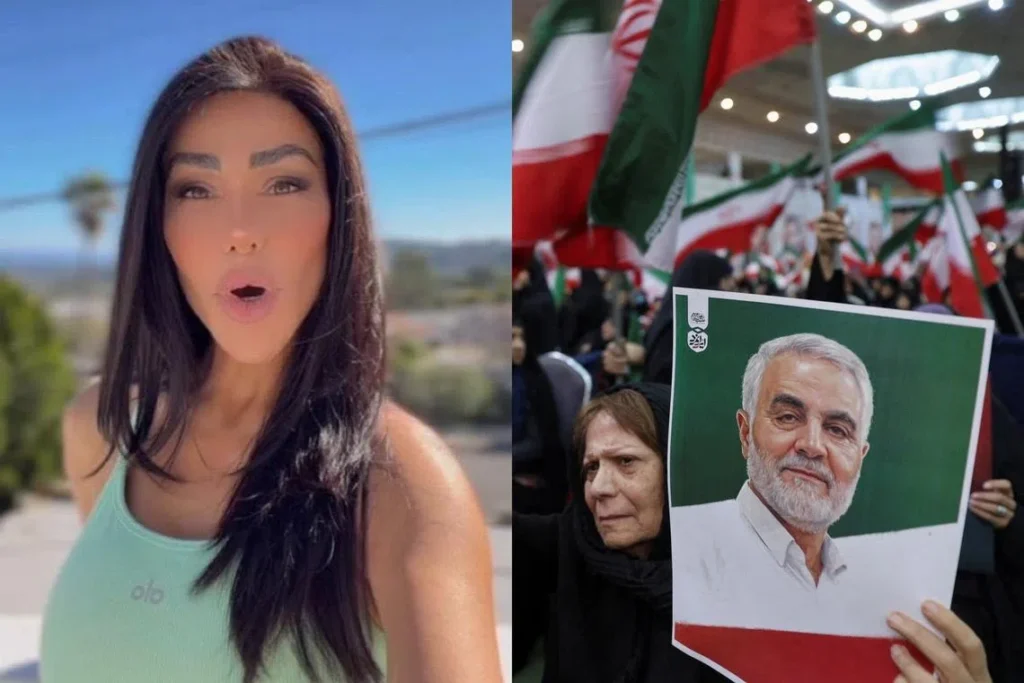
In a stunning development that has sent shockwaves through international diplomatic and security circles, multiple members of the family of the late Iranian General Qasem Soleimani have been arrested in Los Angeles by U.S. federal authorities. The arrests, confirmed by the Department of Justice, mark a dramatic and highly sensitive escalation in the long-standing, tense relationship between the United States and Iran.
The operation, which took place in the early hours of the morning, targeted individuals believed to be closely related to the former commander of Iran’s Quds Force. General Soleimani was killed by a U.S. drone strike in Baghdad in January 2020, an event that brought the two nations to the brink of open conflict. The precise charges against the family members remain under seal, but officials indicate the investigation is tied to allegations of sanctions evasion, illicit financing, and potential national security threats.
Unpacking the Charges: A Complex Web of Allegations
While the full indictment is not yet public, sources familiar with the investigation suggest a multi-pronged probe focusing on economic and covert activities. The arrests are not believed to be directly related to the general’s assassination but rather to activities conducted in the years following his death.
Key Areas of Investigation Include:
- Sanctions Violations: Authorities are investigating potential schemes to illegally move money or goods on behalf of Iranian entities still under severe U.S. and international sanctions. This could involve complex networks using shell companies and cryptocurrency.
- Material Support: A central question is whether any support, financial or otherwise, was provided to organizations designated as terrorist groups by the U.S. government, potentially including Iran-backed militias in the region.
- Intelligence Gathering: A critical aspect of the case likely involves assessing whether the individuals were involved in any form of surveillance, lobbying, or influence operations on U.S. soil directed by Tehran.
The location of the arrests—Los Angeles—is particularly significant. The city is a major global hub for finance, entertainment, and international diaspora communities, making it a potential focal point for the types of activities under investigation.
Immediate Fallout and Diplomatic Tensions
The reaction from Tehran was swift and furious. Iranian state media condemned the arrests as an “illegal and provocative act of state terrorism.” The Iranian Foreign Ministry has summoned the Swiss envoy, who represents U.S. interests in Iran, to deliver a formal protest, warning of “serious consequences” and accusing Washington of taking hostages for political leverage.
Within the United States, the response has been divided along predictable political lines. Administration officials have defended the action as a law enforcement matter based on credible evidence of criminal activity, separate from geopolitical disputes. Critics, however, have voiced concern that the move is unnecessarily inflammatory at a time of already heightened global tensions.
Security analysts are weighing the risks carefully. The primary concern is retaliation, either directly from the Iranian state or from its allied proxy groups across the Middle East. Potential flashpoints include:
- Increased threats to U.S. diplomatic and military personnel stationed in Iraq, Syria, and elsewhere.
- Cyber-attacks targeting American critical infrastructure or corporations.
- Escalatory maneuvers in the Persian Gulf, potentially threatening commercial shipping.
The Shadow of Qasem Soleimani: Why This Case is Different
General Qasem Soleimani was no ordinary military figure. As the head of the Quds Force, the extraterritorial arm of Iran’s Islamic Revolutionary Guard Corps (IRGC), he was arguably the second most powerful person in Iran and the chief architect of its regional influence. He masterminded Iran’s support for groups like Hezbollah in Lebanon and Shia militias in Iraq, making him a revered hero among supporters of the Islamic Republic and a designated terrorist in the eyes of the U.S. and its allies.
His targeted killing was a watershed moment. The U.S. action was justified under the premise of “imminent threat,” a rationale that remains hotly debated. The arrest of his family members four years later opens a new, deeply personal chapter in this saga. It moves the conflict from the battlefield and diplomatic chambers into the realm of family, legacy, and symbolic justice.
Legal Precedents and Challenges Ahead
This case will navigate uncharted legal territory. Defense attorneys are expected to mount a vigorous challenge, potentially arguing that their clients are being persecuted due to their family name rather than any criminal conduct. Key legal battles will focus on:
- The admissibility of evidence, which may involve highly classified intelligence.
- Arguments against potential “guilt by association.”
- Navigating the complexities of international sanctions law, which can be labyrinthine.
Furthermore, the proceedings will be conducted under intense scrutiny and will require extraordinary security measures to ensure the safety of the courtroom and all participants.
What Happens Next: A Long Road for Justice and Diplomacy
The immediate next steps involve arraignments and the unsealing of formal charges. The Justice Department will then begin the process of presenting its evidence, a phase that could take months or even years given the case’s complexity.
On the global stage, the arrests have instantly become a major obstacle in any back-channel communications between Washington and Tehran. They complicate already-stalled negotiations over issues like Iran’s nuclear program and the release of detained dual nationals in both countries.
For the families involved, the human dimension is profound. They are caught in the center of a geopolitical storm, their personal lives and legal futures tied to the legacy of a figure whose shadow continues to shape Middle Eastern politics.
The arrest of the Soleimani family in Los Angeles is more than a criminal news story. It is a high-stakes legal drama with direct implications for international security, diplomatic relations, and the ongoing shadow war between the United States and Iran. As this case unfolds in a California courtroom, the world will be watching, aware that the repercussions will echo far beyond the courthouse walls.