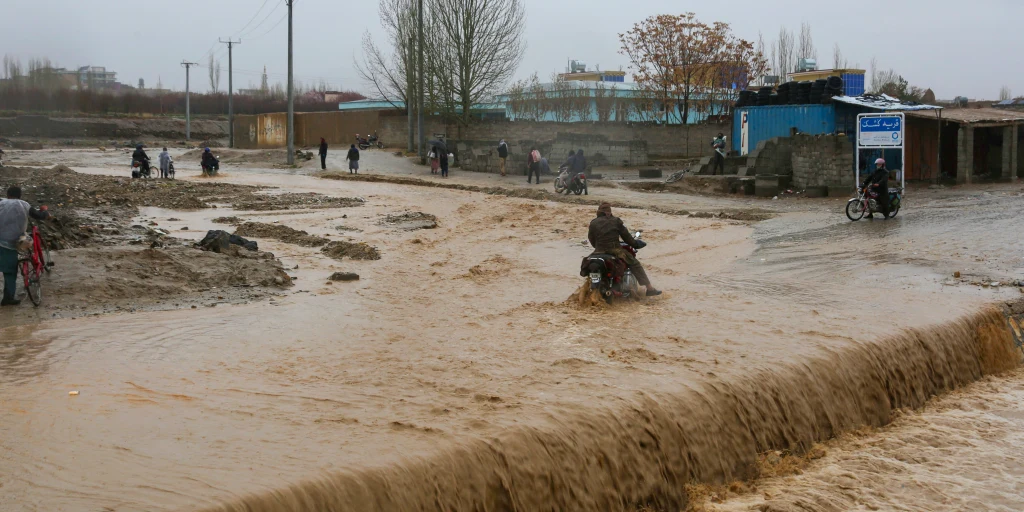
Afghanistan Floods and Landslides Claim 77 Lives Amid Torrential Rains
The fragile communities of Afghanistan are reeling from a new wave of devastation, as nature’s fury has unleashed catastrophic flooding and landslides across the nation. Triggered by days of relentless, heavy rainfall, these disasters have carved a path of destruction through villages and farmlands, claiming at least 77 lives and leaving a trail of shattered homes and livelihoods. This latest tragedy underscores the acute vulnerability of a population already grappling with profound humanitarian and economic crises, now compounded by the escalating impacts of extreme weather.
A Nation Submerged: The Scope of the Disaster
The heavy downpours, which began in earnest last week, have affected multiple provinces, with some of the most severe damage reported in the western regions. The province of Ghor has been particularly hard-hit, accounting for a significant portion of the casualties. However, the disaster’s reach is wide, impacting areas in the north and east as well.
The immediate consequences have been stark and heartbreaking:
- Loss of Life: At least 77 people have been confirmed dead, a number that officials fear could rise as search and rescue operations continue in remote, cut-off villages.
- Widespread Destruction of Homes: Hundreds of houses, many constructed from mud-brick, have been completely destroyed or severely damaged, displacing families and leaving them exposed to the elements.
- Agricultural Ruin: Vital agricultural land has been submerged, and livestock has been swept away. For a nation heavily reliant on subsistence farming, this loss is a direct blow to food security and economic survival.
- Critical Infrastructure Damage: Roads, bridges, and power lines have been washed out, isolating communities and severely hampering the delivery of emergency aid.
The scenes emerging from affected areas depict a landscape transformed by mud and debris, with survivors desperately searching for loved ones and salvaging what little remains of their possessions.
Why Afghanistan is So Vulnerable to Flooding
While heavy rain is the immediate trigger, the scale of this disaster is rooted in a complex web of environmental, social, and economic factors that make Afghanistan exceptionally vulnerable.
Environmental Degradation and Deforestation
Decades of conflict and poverty have led to widespread deforestation and environmental degradation. With fewer trees and plants to absorb rainfall and anchor soil, water rushes unchecked down denuded hillsides. This dramatically increases the volume and speed of runoff, turning seasonal rains into deadly flash floods and triggering devastating landslides.
Inadequate Infrastructure and Urban Planning
Many communities, especially in rural areas, lack basic flood defenses, proper drainage systems, or resilient housing. Settlements often develop in river valleys or on floodplains out of necessity, placing them directly in harm’s way when waters rise. The destruction of infrastructure during past conflicts further weakens the country’s ability to manage natural disasters.
The Compound Crisis: Climate Change and Poverty
Afghanistan is one of the countries most exposed to the impacts of climate change, experiencing more frequent and intense droughts followed by periods of extreme rainfall—a destructive cycle that erodes resilience. This climatic volatility intersects with one of the world’s most severe humanitarian crises. Widespread poverty, food insecurity, and a crippled healthcare system mean that communities have minimal capacity to prepare for, withstand, or recover from shocks of this magnitude.
The Human Toll and the Struggle for Survival
Behind the statistics are profound human stories of loss and resilience. Families have been torn apart, breadwinners lost, and generations of hard work washed away in an instant. For survivors, the immediate challenges are overwhelming:
- Shelter and Warmth: With homes destroyed and temperatures variable, finding safe shelter is the most urgent need.
- Clean Water and Disease: Floodwaters contaminate wells and water sources, creating a high risk of waterborne diseases like cholera, especially for children.
- Food Security: The loss of stored food and future harvests pushes already hungry families closer to famine.
- Psychological Trauma: The sudden loss of family, home, and community inflicts deep psychological wounds on a population that has endured decades of trauma.
Response Efforts and Daunting Challenges
Local authorities and humanitarian organizations have mobilized response teams, but their efforts are fraught with immense difficulties.
- Access: Damaged roads and bridges make it extremely challenging to reach the most affected villages to assess needs and deliver aid.
- Resource Constraints: Humanitarian agencies operating in Afghanistan are perennially underfunded, struggling to meet existing needs even before a new disaster strikes. The recent floods will stretch these meager resources to the breaking point.
- Coordination: Effective disaster response requires robust coordination between de facto authorities, UN agencies, and international NGOs—a complex undertaking in the current political context.
The international community faces a critical test of its commitment to the Afghan people. A rapid and substantial influx of emergency funding is needed for shelter, food, clean water, medical supplies, and early recovery support.
A Call for Long-Term Resilience in a Changing Climate
While emergency aid is vital to save lives today, this disaster is a grim reminder of the need for long-term strategies to build resilience. Reactive measures are no longer sufficient in the face of a changing climate. Investing in disaster risk reduction is not a luxury; for Afghanistan, it is a matter of survival.
Sustainable solutions must include:
- Early Warning Systems: Developing and deploying community-based systems to alert villages of impending floods.
- Nature-Based Solutions: Programs for reforestation and watershed management to restore the land’s natural capacity to absorb water.
- Climate-Resilient Infrastructure: Building back better with flood-resistant designs for homes, roads, and bridges.
- Livelihood Diversification: Helping communities develop income sources less vulnerable to climate shocks than rain-fed agriculture.
The floods in Afghanistan are more than a natural disaster; they are a symptom of intersecting crises—climate, poverty, and instability. The loss of 77 lives is a profound tragedy and a urgent call to action. As the waters eventually recede, the world must not look away. The choice is between repeated cycles of emergency response or a sustained commitment to helping the Afghan people build a foundation resilient enough to weather the storms to come. The path forward requires not just compassion, but a dedicated, long-term investment in the future of a nation on the front lines of climate change.