
US Lawmakers Condemn Cuba’s Energy Blockade as Economic Warfare
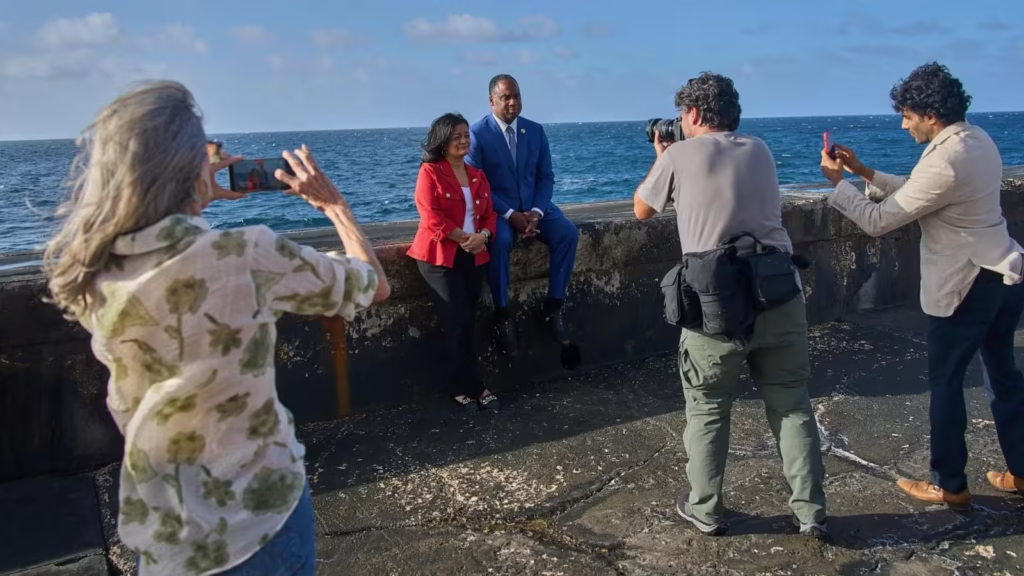
In a rare and politically charged visit, two United States congressmembers traveled to Havana, delivering a stark condemnation of long-standing U.S. policy. Their mission: to witness firsthand the crippling effects of the American embargo, which they now label a deliberate act of economic warfare, with a specific focus on the island’s crippled energy sector.
The delegation, consisting of Democratic Representatives Pramila Jayapal of Washington and Ilhan Omar of Minnesota, argued that the complex web of sanctions—particularly those targeting oil, fuel, and energy infrastructure—constitutes nothing less than an “economic bombing” of the Cuban people. This trip underscores a growing, though still minority, voice within the U.S. political establishment calling for a fundamental reversal of a 60-year foreign policy failure.
The Human Cost of an Energy Stranglehold
Beyond the political rhetoric, the lawmakers aimed to highlight the daily human suffering exacerbated by the energy blockade. Cuba, which must import the majority of its fuel, faces severe shortages that ripple through every facet of society.
Daily Life in the Dark
The consequences are visceral and widespread:
- Prolonged Blackouts: Cubans regularly endure power outages lasting 8, 12, or even more hours a day, disrupting work, education, and basic home life.
- Healthcare Under Threat: Hospitals and clinics, despite heroic efforts, struggle to maintain critical equipment, refrigerate medicines, and ensure sterile environments during recurrent outages.
- Paralyzed Transportation: Public transit becomes unreliable, and lines for gasoline can stretch for days, isolating communities and stifling economic activity.
- Food and Water Security: Without consistent power, refrigeration spoils food, and water purification and pumping systems fail, creating public health risks.
Representative Jayapal emphasized that these sanctions are “not just a policy disagreement between governments,” but a collective punishment inflicted upon 11 million civilians. The energy blockade, she contends, is a primary driver of the island’s deepening humanitarian crisis, fueling unprecedented migration and daily hardship.
A Policy Rooted in the Cold War
The current sanctions framework is an evolution of the original 1962 embargo, tightened significantly during the Trump administration with over 200 additional measures. These specifically targeted Cuba’s ability to acquire oil, including:
- Sanctions on vessels delivering Venezuelan oil to Cuban ports.
- Threats against international insurance and shipping companies involved in Cuba’s energy trade.
- Blocking foreign investment in renewable energy projects on the island.
This “maximum pressure” campaign has successfully choked the island’s main sources of affordable fuel. While the Biden administration has made minor adjustments, the core architecture of the blockade—especially under the Helms-Burton Act, which internationalizes the sanctions—remains fully intact. Critics argue this policy has failed for decades to achieve its stated goal of promoting democracy, instead solidifying hardship and providing the government with a scapegoat for economic mismanagement.
The Lawmakers’ Defiance and Call to Action
The visit by Jayapal and Omar is significant precisely because it defies the U.S. State Department’s travel restrictions and the prevailing political narrative. By going to Cuba and speaking directly to its citizens, they seek to reframe the debate from one of geopolitical antagonism to one of human rights and pragmatic diplomacy.
A Blueprint for Change
The lawmakers used their platform to outline clear legislative and executive actions needed:
- Repeal Helms-Burton: Dismantle the legal framework that penalizes third countries for trading with Cuba.
- Lift Energy-Specific Sanctions: Allow Cuba to freely purchase fuel, parts for its power grid, and technology for renewable energy development.
- Remove Cuba from the State Sponsors of Terrorism List: A designation that severely dissuades international banks and companies from any engagement, including in the energy sector.
- Expand Travel and Remittances: Restore the flow of people and capital, which provides vital sustenance to Cuban families and independent entrepreneurs.
They argue that empowering the Cuban people, not starving them, is the true path to positive change. “We cannot claim to support the Cuban people while supporting a policy designed to make their daily lives impossible,” stated Representative Omar.
International Condemnation and the Path Forward
The United States’ position on Cuba is one of near-total global isolation. For 31 consecutive years, the United Nations General Assembly has voted overwhelmingly to condemn the U.S. embargo, with the 2023 vote tally at 187-2. Allies from Canada to the European Union consistently criticize the policy as extraterritorial and counterproductive.
The energy crisis has become the most visible symptom of this isolation. As blackouts intensify, so does social unrest, leading to a vicious cycle that benefits no one. Proponents of engagement, including these two lawmakers, posit that by lifting the energy blockade, the U.S. could:
- Alleviate immediate human suffering and build goodwill.
- Open doors for U.S. companies in renewable energy markets.
- Remove a major point of friction with Latin American and European partners.
- Create conditions for a more stable and productive neighbor just 90 miles from Florida.
The journey of Representatives Jayapal and Omar to Havana is more than a symbolic gesture. It is a direct challenge to a failed status quo. By labeling the energy blockade “economic warfare,” they force a moral and practical reckoning. The question they pose to Washington is unambiguous: Does continuing to weaponize food, medicine, and power against a civilian population serve American interests or values, or has the time finally come for a new approach rooted in diplomacy and human dignity? The lights flickering out across Cuba are a testament to the urgent need for an answer.

