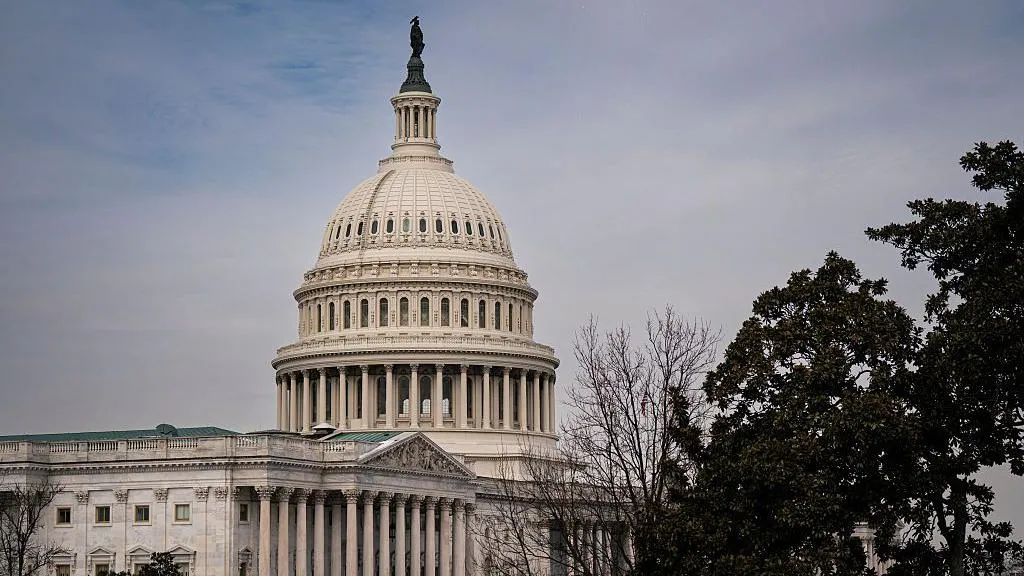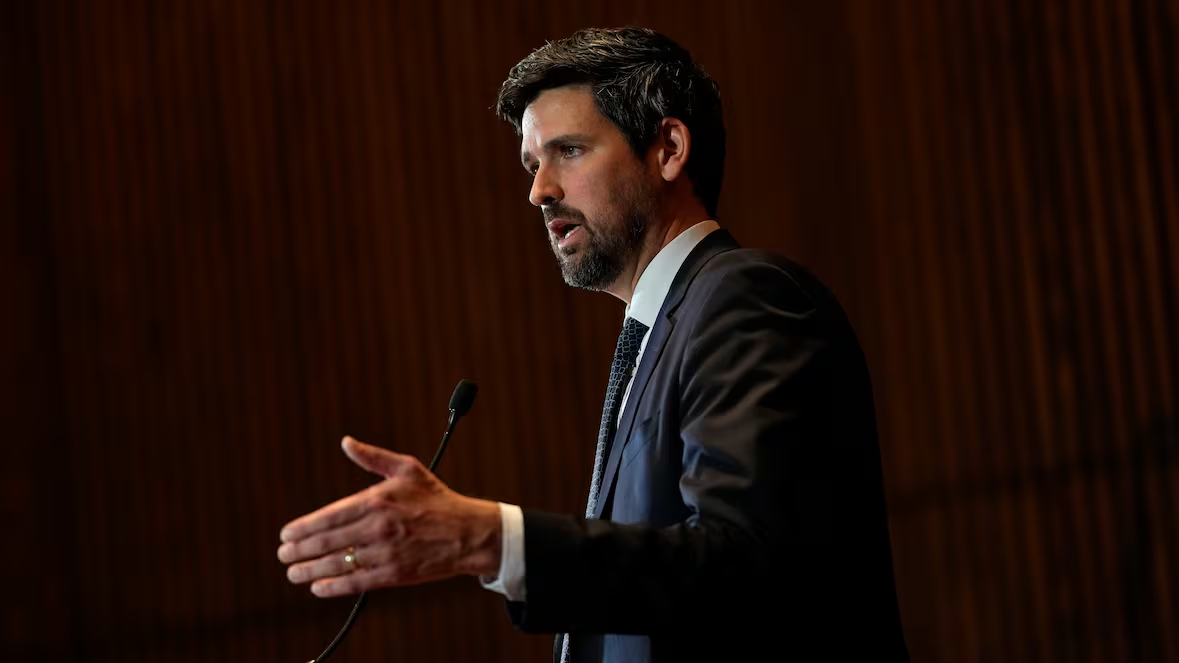
For decades, a delicate balance has existed in Canadian law between the fundamental right to religious freedom and the imperative to protect vulnerable groups from hatred. That balance has now been decisively shifted. With the passage of Bill C-63, the *Online Harms Act*, the Liberal government, supported by the Bloc Québécois, has fundamentally altered Canada’s legal landscape by removing a long-standing and contentious defense against hate speech charges: the good faith religious belief exemption.
This move marks a pivotal moment in the nation’s ongoing struggle to define the limits of free expression. Proponents hail it as a necessary step to protect minorities in an increasingly volatile digital age, while critics warn it criminalizes core religious teachings and sets a dangerous precedent for state overreach into matters of faith. The debate is no longer theoretical—it is now the law of the land.
The End of a Legal Shield: What Just Changed?
At the heart of this seismic shift is an amendment to Canada’s *Criminal Code* regarding hate propaganda. Previously, Section 319(3)(b) provided a specific defense. A person accused of willfully promoting hatred could argue that their statements were “relevant to any subject of public interest, the discussion of which was for the public benefit, and if on reasonable grounds they believed them to be true.” Crucially, this was often interpreted and applied in cases involving religious scripture or doctrine.
The new law repeals this clause. In practice, this means that an individual or institution can no longer automatically cite religious text or sincere theological belief as a legal defense against a charge of promoting hatred. The context of a statement’s religious origin, while potentially considered during prosecution, is stripped of its former status as a protected justification.
Why This Change Was Made: The Government’s Rationale
The driving force behind this amendment is a conviction that the old law created a loophole that allowed genuine hatred to flourish under the guise of religious discourse. Justice Minister Arif Virani and supporters of the bill argued that the exemption had been weaponized.
- Protecting Vulnerable Communities: The primary stated goal is to better shield LGBTQ+ individuals, religious minorities, and other targeted groups from hate speech that cites religious doctrine as its basis.
- Harmonizing with the Charter: Proponents contend that the change aligns the Criminal Code with the *Canadian Charter of Rights and Freedoms*, which already permits reasonable limits on freedom of religion and expression in the name of protecting others.
- Closing a Dangerous Loophole: The government’s view is that no belief system, no matter how sincerely held, should provide a legal carte blanche for speech that vilifies and degrades others.
The Bloc Québécois: A Decisive Ally in the Shift
This legislative change was not achieved by the Liberals alone. The Bloc Québécois played a critical role, providing the necessary support to pass the bill. This alliance is deeply rooted in Quebec’s distinct legal and cultural approach to secularism (*laïcité*) and the separation of church and state.
For the Bloc, the removal of the religious exemption is a logical extension of Quebec’s Bill 21, which prohibits certain public servants from wearing religious symbols. Both policies stem from a philosophy that prioritizes state neutrality and communal harmony over individual religious accommodations that are seen to conflict with equality rights. The Bloc’s support underscores that this is not merely a legal adjustment, but a significant cultural and political realignment on a national scale.
Fierce Opposition: Concerns Over Freedom and Faith
The backlash to this change has been swift and severe from religious communities, civil libertarians, and legal scholars. The core fear is that the state has now positioned itself as the arbiter of acceptable religious doctrine.
- Criminalizing Core Beliefs: Many faith groups argue that central tenets of their religions—regarding marriage, sexuality, or theological truth—could now be construed as hate speech, placing clergy and believers at legal risk for preaching from their own scriptures.
- A Chilling Effect on Discourse: Critics predict a widespread chilling effect, where individuals and religious leaders will self-censor for fear of criminal prosecution, stifling legitimate theological debate and teaching.
- Who Decides What is Hate? The fundamental question becomes: which interpretations of ancient religious texts will the state deem criminal? Opponents see this as an unprecedented intrusion into matters of conscience and community.
- Potential for Weaponization: There is concern that the law could be used maliciously to target unpopular or minority religious groups through vexatious complaints, dragging them through lengthy and costly legal battles.
The Legal Tightrope: Prosecution vs. Persecution
The government insists that the law targets only the most extreme, hateful expression—speech equivalent to advocacy of genocide or that seeks to dehumanize groups. They maintain that mainstream religious teaching and respectful debate will not be affected. However, the removal of the specific defense creates immense uncertainty. The line between prosecuting genuine hatred and persecuting sincere faith will now be drawn entirely in courtrooms, on a case-by-case basis, with individuals facing the full weight of the criminal justice system.
The Road Ahead: Implications for Canada
The enactment of this law is not the end of the story; it is the beginning of a new and contentious chapter.
Constitutional Challenges Are Inevitable. It is a near certainty that this amendment will be challenged under the Charter, leading to Supreme Court battles that will take years to resolve. The courts will have the final say on whether this new limit on religious expression is a “reasonable” one in a free and democratic society.
Social Cohesion at Stake. The law risks deepening societal fractures. Some communities may feel alienated and targeted, believing their identity is now implicitly criminalized. The test will be whether the law reduces hatred or simply drives it underground while sowing resentment.
A Global Precedent. Canada is now on the forefront of a global debate. Other nations grappling with similar issues will watch closely to see if this model of strictly separating religious argument from hate speech protections can work without sacrificing fundamental freedoms.
The repeal of the good faith religious belief exemption is one of the most consequential changes to Canadian speech law in a generation. It reflects a profound choice to prioritize collective protection from harm over a broad defense of unfettered religious argument. Whether this makes Canada a safer, more inclusive nation or sets a dangerous precedent for the censorship of faith will be a defining question for the country’s future. The dialogue between pulpit and prosecutor has entered a new, uncharted, and deeply uncertain era.