
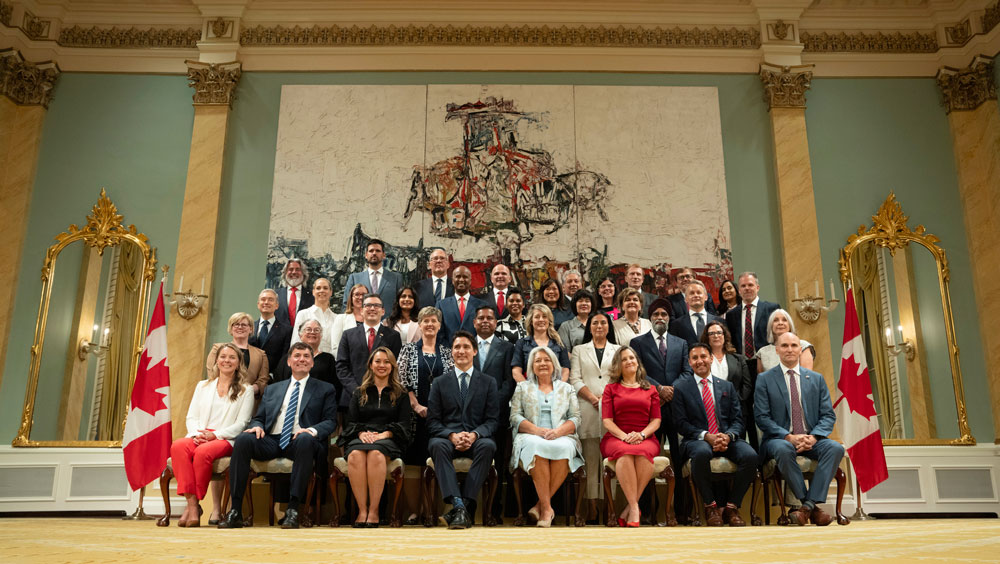
The political landscape in Ottawa is undergoing a significant transformation today, as Prime Minister Justin Trudeau executes a major cabinet shuffle. According to sources familiar with the planning, this long-anticipated reset aims to refocus the government’s agenda, address key policy challenges, and inject new energy into the Liberal team ahead of the next election cycle. The changes signal a strategic pivot, placing a premium on economic stewardship, housing affordability, and healthcare—the very issues dominating national discourse.
A Strategic Reset for a Challenging Political Climate
This cabinet shuffle is far more than a routine personnel change. It is widely interpreted as a direct response to months of declining poll numbers and intense public pressure over the cost of living. With the Conservative Party under Pierre Poilievre maintaining a consistent lead in public opinion surveys, the Prime Minister is under mounting pressure to demonstrate that his government is listening and is agile enough to change course. The shuffle represents an opportunity to reset the narrative, showcase renewed priorities, and present a refreshed team to the Canadian public.
The overarching goals appear to be threefold:
- Reclaiming the Economic Narrative: Placing trusted and communicatively strong ministers in key economic portfolios to better articulate the government’s plans for affordability and growth.
- Accelerating Key File Delivery: Moving ministers with proven execution skills into roles where tangible results on housing and healthcare are desperately needed.
- Renewing Team Dynamics: Introducing new faces and voices to the front bench, while repositioning seasoned veterans where their experience is most critical.
Key Portfolios and Personnel Changes
While the full list of moves will be confirmed later today, sources indicate several high-profile ministries are seeing new leadership. The focus is squarely on the economic and domestic policy files that touch the daily lives of Canadians.
Economic and Financial Leadership
All eyes are on the finance portfolio. Chrystia Freeland is expected to remain as Deputy Prime Minister and Minister of Finance, a signal of stability in economic stewardship. However, significant changes are anticipated in the supporting cast. The ministries of Innovation, Industry, and International Trade are likely to see reassignments, aiming to strengthen Canada’s position in a competitive global market and attract new investment.
The Housing File: A Top Priority
No issue is more pressing for the government than housing affordability. The current Minister of Housing and Diversity and Inclusion, Ahmed Hussen, is reportedly moving to a new role. Speculation is rampant that Sean Fraser, the former Immigration Minister, will take over the housing portfolio. Fraser earned praise for his handling of the massive immigration file and is seen as a competent manager who could bring urgency and new ideas to accelerate housing construction and policy.
Health and Environment: Critical Policy Junctures
The Minister of Health, Jean-Yves Duclos, is also expected to step aside. This comes as the government negotiates major new health funding agreements with the provinces and tries to reform the healthcare system. The environment portfolio, currently held by Steven Guilbeault, may also see a change, reflecting the delicate balance the government seeks between climate action and economic concerns.
What This Shuffle Means for Canadians
Beyond the political chess game, today’s cabinet shuffle has real implications for national policy and public services.
- Policy Direction: The new cabinet will immediately set to work on crafting the next federal budget and defining legislative priorities for the fall sitting of Parliament. The shuffle telegraphs where the government will concentrate its efforts.
- Government Operations: New ministers bring new approaches and priorities to their departments. Canadians can expect shifts in how key ministries operate, from the speed of housing program rollouts to the tone of international trade negotiations.
- Political Messaging: The refreshed cabinet will be front and centre in the government’s communication strategy. Look for a renewed push to explain policy directly to Canadians and counter opposition criticism.
The Road Ahead: Challenges and Opportunities
Reshuffling a cabinet is an exercise in managing both talent and expectations. While it creates an opportunity for renewal, it also presents immediate challenges.
The incoming ministers face a steep learning curve, taking over complex files often in the midst of ongoing crises. They must quickly get up to speed, establish command of their departments, and begin delivering results that Canadians can feel. Furthermore, moving ministers can cause temporary disruption within departments as new leadership settles in.
However, the opportunities are significant. A well-executed shuffle can:
- Reinvigorate policy development with fresh perspectives.
- Improve the government’s connection with different regions and demographics through diverse appointments.
- Demonstrate accountability by holding underperforming portfolios to account through leadership changes.
A Pivotal Moment for the Trudeau Government
Today’s cabinet shuffle is a defining moment for Prime Minister Trudeau’s third-term government. It is an admission that the status quo is not working politically and a bet that new faces in key roles can change the government’s trajectory. The success of this reset will not be measured by today’s headlines, but by the ability of the new cabinet team to produce tangible progress on the issues that matter most to voters.
The coming months will be critical. The new ministers must transition swiftly, collaborate effectively, and, above all, deliver. For Canadians watching, the shuffle is a promise of renewed focus and energy. The government is now on the clock to fulfill that promise.

