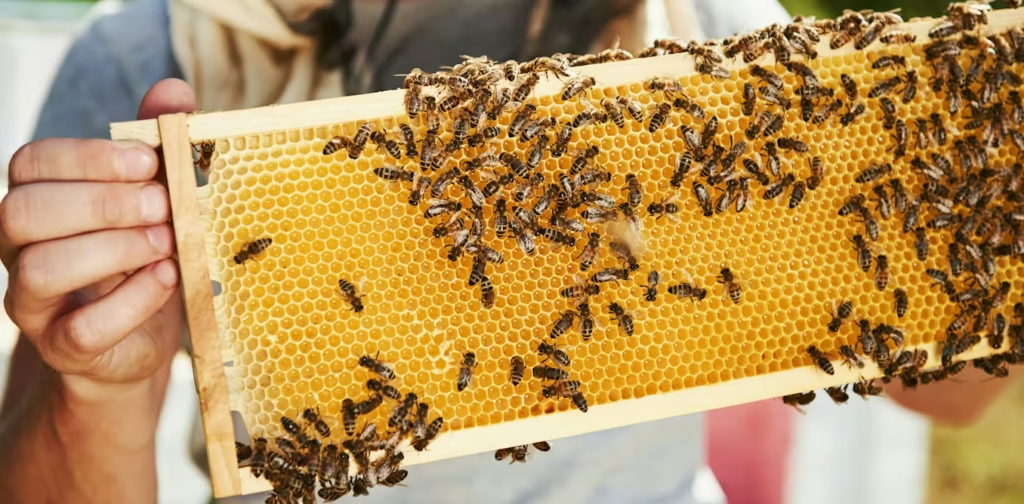
Beyond Imported Queens: A Sustainable Path for Canadian Beekeeping
For decades, Canadian beekeepers have relied on a crucial annual import: hundreds of thousands of queen bees, primarily from warmer climates like Hawaii, California, and New Zealand. This practice has been a cornerstone of managing colony losses and replenishing hives for the demanding pollination season and honey production. However, a growing chorus of experts and seasoned beekeepers are sounding the alarm. They argue that this dependence on foreign genetics is a short-term fix that exacerbates long-term problems, threatening the very resilience of Canada’s apiculture industry. The solution lies not in a package from abroad, but in fostering homegrown, locally adapted, and genetically diverse honey bee stocks.
The Import Habit: A Flawed Lifeline
The logic behind importing queens is understandable, especially in the face of high annual colony loss rates. Beekeepers, particularly large-scale commercial operations, need a predictable and immediate way to replace deadouts and split hives in spring. Southern breeders, with their year-round breeding seasons, can supply a large volume of queens just when Canadian beekeepers need them most.
Yet, this convenience comes at a significant cost. These imported queens are bred for traits that prioritize production in their native environments—often mild climates with different disease and pest pressures. They are not selected for the specific challenges of a Canadian winter, a short but intense foraging season, or resistance to pests like the Varroa destructor mite in our unique context. Essentially, we are importing bees that are genetically unprepared for Canada’s harsh realities.
The Hidden Risks of Reliance
This dependency creates a cascade of vulnerabilities:
- Disease and Pest Introduction: Every imported queen is a potential vector for new pests or virulent strains of disease. While regulations exist, the risk of accidental importation of threats like the Tropilaelaps mite or new viruses is ever-present.
- Genetic Dilution and Poor Adaptation: When foreign queens mate with local drones, they dilute the gene pool of bees that have managed to survive Canadian conditions. Over time, this can weaken the overall population’s inherent resilience to cold, resistance to local pathogens, and ability to thrive on native flora.
- Supply Chain Instability: Canada’s bee supply hinges on geopolitical stability, climate events in source countries, and international shipping logistics. Disruptions, as seen during global crises, can leave beekeepers stranded without essential stock.
Cultivating Canadian-Bred Resilience
The sustainable alternative is clear: we must invest in and develop a robust domestic queen breeding industry focused on selecting for locally superior traits. This isn’t about closing borders, but about prioritizing and valuing our own genetic material. Canadian-raised queens from survivor stock offer profound advantages.
The Pillars of a Domestic Breeding Strategy
- Winter Hardiness: The single most important trait for Canadian bees. Breeding from colonies that consistently survive our long, cold winters with minimal intervention is paramount. These bees have mastered cluster dynamics, efficient honey consumption, and hygienic behaviors that keep them healthy in the hive.
- Varroa Sensitive Hygiene (VSH) and Pest Resistance: Instead of relying solely on chemical treatments, we can breed bees that fight back. VSH is a genetic trait where worker bees detect and remove mite-infested pupae, naturally suppressing Varroa populations. Selecting for this and other resistant behaviors is key to sustainable management.
- Gentle Temperament and Manageability: Beekeeping is hard work. Breeding for calm, handleable bees improves working conditions and safety, making the profession more accessible and sustainable.
- Regional Adaptation: A bee perfect for the Okanagan Valley may differ from one ideal for the Maritimes. Supporting regional breeding programs allows for hyper-local adaptation to specific climates, nectar flows, and environmental conditions.
Building the Framework for Change
Transitioning from an import-reliant model to a self-sufficient one requires concerted effort from the entire beekeeping community and supportive government policy.
Supporting Canadian Queen Breeders
A new generation of dedicated queen breeders is rising, but they need support. This includes:
- Investment in selective breeding programs and research at agricultural institutions.
- Creating protected mating zones to maintain the genetic integrity of bred stock.
- Developing certification and labeling so beekeepers can confidently identify and purchase locally bred, genetically superior queens.
Empowering Beekeepers with Knowledge
The shift also requires a mindset change at the hive level. Beekeepers can contribute by:
- Practicing conservative overwintering to identify and propagate their own survivor stock.
- Learning queen rearing techniques, even on a small scale, to understand genetics and become less dependent on external sources.
- Participating in citizen science and data collection to help identify the best-performing colonies nationwide.
The Sweet Reward of Sustainability
Moving beyond imported queens is not an easy path. It demands patience, investment, and a willingness to weather initial challenges. Domestic queens may initially be more expensive or less readily available than bulk imports. However, the long-term payoff is a bee population that is stronger, healthier, and inherently suited to thrive in Canada.
This sustainable model promises lower annual replacement costs, reduced reliance on chemical treatments, and ultimately, more stable and productive colonies. It strengthens our food security, as healthy bees are the irreplaceable pollinators of billions of dollars worth of Canadian fruits, vegetables, and forage crops.
The future of Canadian beekeeping must be rooted in our own soil. By championing the breeding and selection of locally adapted honey bees, we are not just solving a supply problem—we are actively building a more resilient, self-reliant, and vibrant apiculture industry for generations to come. The resilience we seek won’t arrive in a mailing cage; it’s already here, buzzing in our hardiest hives, waiting to be nurtured.