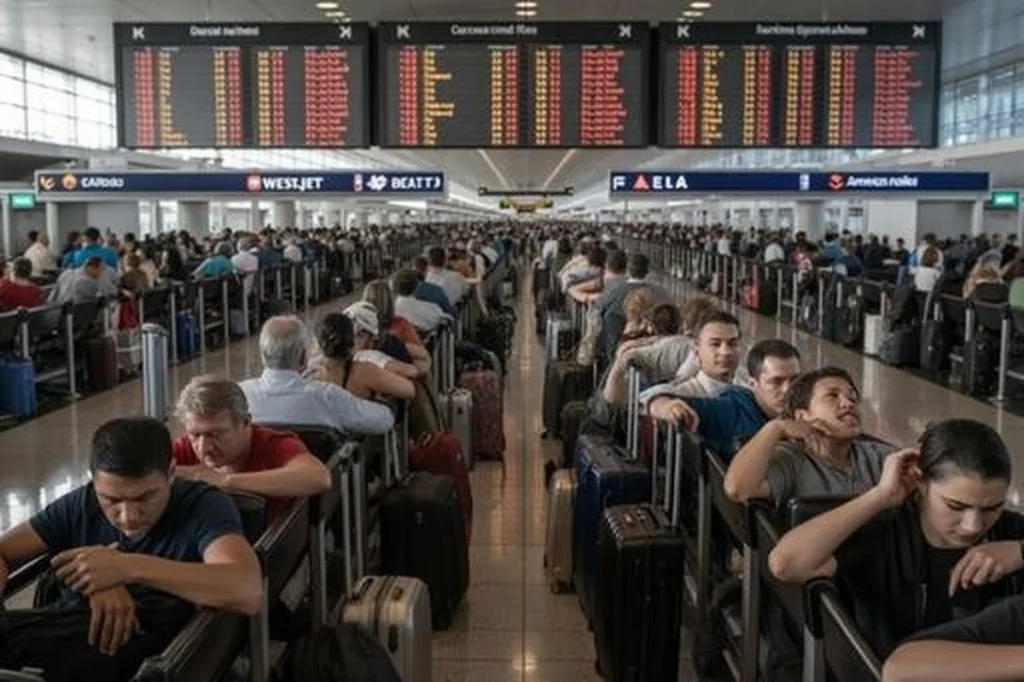
Travel Chaos at Toronto Pearson: Major Airlines Hit by Delays and Cancellations
A day of significant disruption unfolded at Toronto Pearson International Airport (YYZ), as a cascade of operational issues led to widespread flight delays and cancellations affecting hundreds of passengers. Major carriers, including Air Canada, Delta Air Lines, Endeavor Air, and WestJet, faced severe setbacks, with data revealing a staggering 95% delay rate and 14% cancellation rate for flights bound for key international destinations like the United States, Germany, and Brazil.
The disruptions created a scene of frustration and uncertainty in one of Canada’s busiest travel hubs, underscoring the fragility of modern air travel networks when confronted with compounding challenges.
A Perfect Storm of Disruptions Grounds Travel Plans
While the aviation industry is no stranger to delays, the scale and concentration of problems at Pearson on this particular day were notable. The issues did not stem from a single cause but rather from a confluence of factors that overwhelmed normal operations.
Severe weather played a primary and initiating role. A fast-moving system brought a combination of heavy precipitation, strong winds, and reduced visibility to the Greater Toronto Area. This type of weather directly impacts the flow of aircraft, as safety protocols require increased spacing between planes for takeoff and landing, effectively throttling the airport’s capacity.
Furthermore, the weather was not isolated to Toronto. Similar storms across the northeastern United States, a critical corridor for flights, caused a domino effect. Aircraft and crews scheduled to operate flights into and out of Pearson were left out of position, creating resource shortages that lingered long after the local skies had cleared.
Ripple Effects on Major Carriers and Routes
The operational meltdown impacted a wide spectrum of airlines and routes, hitting both transborder and long-haul international travel:
- Air Canada: As the airport’s largest carrier, Air Canada felt the brunt of the disruptions. Numerous flights to U.S. hubs like Chicago (ORD), New York (LGA, EWR), and Washington (IAD), as well as overseas services to Germany (FRA, MUC) and Brazil (GRU), were delayed by several hours or cancelled outright.
- Delta Air Lines & Endeavor Air: Delta’s operations, including those of its regional subsidiary Endeavor Air, faced major hurdles. Key routes to Delta’s hubs in Atlanta (ATL), Detroit (DTW), and Minneapolis (MSP) were severely affected, stranding passengers connecting to broader networks.
- WestJet: While often stronger in western Canada, WestJet’s growing presence in Toronto meant its schedule also suffered. Flights to sun destinations and major Canadian cities were subject to lengthy delays.
- Other International Airlines: The congestion and slot disruptions also impacted foreign carriers operating flights to and from the affected regions, compounding the global travel headache.
Inside the Terminal: Passenger Experiences and Response
For travelers, the day transformed from one of anticipation to one of endurance. Social media quickly filled with images and stories of long, snaking lines at customer service desks, crowded gate areas, and confused passengers seeking information.
- Information Scarcity: Many passengers reported difficulties getting clear, timely updates from airline staff, who were themselves managing fluid and stressful situations. Automated notifications often could not keep pace with the changing status of flights.
- Accommodation and Rebooking Challenges: With hundreds of passengers suddenly needing new itineraries and hotel rooms, resources were stretched thin. Travelers reported hours-long waits on hold with airline call centers and limited availability on subsequent flights, sometimes for days.
- The Human Cost: The disruptions had real consequences: missed business meetings, spoiled vacations, family reunions delayed, and connecting journeys completely derailed. The financial and emotional toll on passengers was significant.
Airlines activated their irregular operations (IROPS) protocols, rebooking passengers on the next available flights and, where necessary and according to policy, providing meal vouchers or hotel accommodations. However, the volume of affected individuals meant responses were often slow and inconsistent.
Navigating Airline Policies and Passenger Rights
The event placed a sharp focus on passenger rights and compensation policies. In Canada, the Air Passenger Protection Regulations (APPR) govern what travelers are owed during disruptions.
Crucially, the regulations distinguish between disruptions within an airline’s control and those that are not. Weather and air traffic control issues are generally considered outside airline control, which limits mandatory financial compensation. However, airlines are still obligated to provide certain standards of care:
- Provide timely updates and information.
- Offer rebooking on their own or a partner airline’s next available flight at no extra cost.
- Provide meals, snacks, and access to communication (like wifi) during lengthy delays on the tarmac or in the terminal.
- Arrange for overnight accommodation if a rebooked flight departs the next day.
Passengers affected by the Pearson disruptions were advised to keep all receipts for unexpected expenses and to formally apply for any owed care or compensation through their airline’s website. For situations within an airline’s control (like mechanical issues or crew shortages), compensation of up to $1,000 CAD can be mandated.
Broader Implications for Air Travel Resilience
This incident at Toronto Pearson is not an isolated one but part of a pattern of strain on the global aviation system. It highlights several systemic vulnerabilities:
Network Interdependence: Modern aviation is a highly interconnected web. A storm in one region can incapacitate an airport thousands of miles away if crews and aircraft are out of place.
Staffing and Resource Margins: After the pandemic-driven downsizing, many airlines and airports are operating with leaner staff. When irregular operations occur, there is less buffer to manage the crisis effectively.
Infrastructure and Capacity: Major hubs like Pearson often operate near their maximum capacity during peak times, leaving little room to absorb delays and recover smoothly.
Lessons Learned and Tips for Future Travel
While systemic fixes are complex, travelers can take proactive steps to mitigate the impact of such disruptions:
- Purchase Comprehensive Travel Insurance: A policy that covers trip interruption and delay can provide crucial financial protection for unexpected hotels, meals, and rebooking costs, regardless of the cause.
- Fly Early in the Day: The first flights of the day are less likely to be impacted by earlier delays, providing a better chance of departing as scheduled.
- Use Airline Apps and Enable Notifications: Often, the quickest information comes via an airline’s official mobile app. Ensure push notifications are turned on.
- Know Your Rights: Familiarize yourself with the APPR in Canada or relevant regulations in your departure country. Being informed helps in communicating effectively with airline staff.
- Consider Non-Stop Flights: When possible, book direct flights. While not immune to cancellation, they eliminate the risk of missing a connecting leg due to an initial delay.
The travel chaos at Toronto Pearson serves as a stark reminder of the complexities of modern air travel. As the industry continues to rebuild and adapt, both airlines and regulatory bodies face increasing pressure to bolster operational resilience. For passengers, the experience underscores the importance of preparation, patience, and a clear understanding of their rights when the best-laid travel plans go awry. While blue skies will inevitably return, building a more robust system is essential to ensure smooth journeys for the millions who pass through hubs like Pearson each year.