
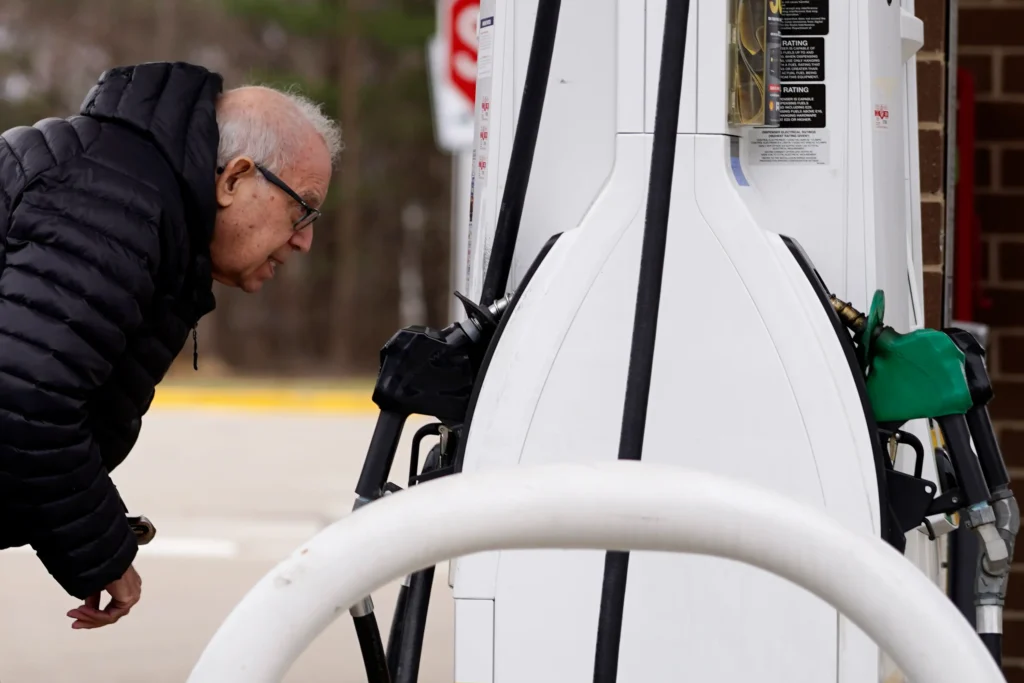
Why Atlantic Canada’s Gas Price Drop Is Temporary | Summer 2024 Outlook
For drivers across Atlantic Canada, the sight of falling numbers at the gas pump has been a welcome relief. After months of budgeting carefully for fuel, this drop feels like a small victory. However, energy analysts and market watchers are sounding a note of caution: this period of lower prices is likely a brief intermission, not a permanent shift. The complex global machinery that determines what you pay per litre is already hinting at a reversal. Understanding the forces behind today’s cheaper fill-up is the key to preparing for what’s coming down the road this summer.
The Current Gas Price Dip: A Brief Respite
The recent decline in gas prices across provinces like Nova Scotia, New Brunswick, Prince Edward Island, and Newfoundland and Labrador isn’t magic—it’s economics. Two primary factors have aligned to create this temporary relief valve.
First, the global price of crude oil, the foundational ingredient for gasoline, has softened from some of its earlier peaks. This is due to a complex mix of perceived slower demand growth and increased output from non-OPEC+ nations. Second, and more specific to the regional market, is a seasonal inventory adjustment. Refineries have ramped up production after spring maintenance periods, leading to a temporary buildup of gasoline supplies. This surplus, even if slight, pushes wholesale—and subsequently retail—prices downward.
But this situation is incredibly delicate. The energy market is a global balancing act, and several powerful factors are poised to tip the scales back in the other direction. What you’re seeing now is the calm before the traditional summer storm of increased costs.
Four Powerful Forces That Will Push Gas Prices Back Up
The relief at the pump is on borrowed time due to a perfect storm of predictable seasonal trends and unpredictable global events. Here’s a breakdown of the major pressures set to drive prices upward.
1. The Inevitable Surge of Summer Driving Season
This is the most predictable factor every single year. As schools let out and temperatures rise, family road trips, tourism, and general recreational driving skyrocket. Atlantic Canada, with its stunning coastal drives and tourist destinations, sees a significant influx of visitors and local travel. This collective increase in demand for gasoline consistently outstrips supply growth, applying fundamental upward pressure on prices from late June through August. The current price dip is, in part, happening *before* this demand tsunami hits.
2. Global Oil Market Volatility and Geopolitics
Atlantic Canada’s fuel prices are directly tied to the tumultuous world of international crude. Two key elements here are constant threats:
- OPEC+ Production Decisions: This coalition of oil-producing nations has a history of manipulating output to control prices. Any decision to cut production to prop up prices would send costs soaring globally.
- Geopolitical Instability: Conflict in oil-rich regions or tensions involving major producers can trigger fear-based market speculation, driving up the cost of crude overnight. The market remains jittery and reactive to world events.
These factors are entirely beyond local control and can erase weeks of price declines in a matter of days.
3. The Looming Threat of Hurricane Season
The Atlantic hurricane season (June 1 – November 30) represents a direct physical threat to gasoline supply chains. While Atlantic Canada may not be hit directly by every storm, the impact is felt indirectly. Major refineries and distribution hubs are located along the U.S. Gulf Coast and Eastern Seaboard.
- A significant hurricane forcing these facilities to shut down for safety immediately constricts supply.
- Damage to infrastructure or shipping routes can cause prolonged disruptions.
Even the forecast of a major storm can cause prices to spike due to anticipatory market trading. This risk adds a premium and uncertainty to summer and fall fuel costs.
4. The Underlying Floor of the Federal Carbon Tax
It’s crucial to separate market fluctuations from legislated costs. While the recent price drop is due to market forces, the federal carbon tax forms a fixed base cost on every litre of gasoline. Its purpose is environmental, not market-based. This means:
- It prevents prices from falling as low as they might otherwise.
- When the market-driven portion of the price rises, the carbon tax cost is added on top, making the total increase at the pump even more pronounced.
It acts as a price floor and an amplifier for other increases.
A Regional Perspective: Vulnerability to Global Winds
Atlantic Canada’s specific situation makes it particularly sensitive to these swings. The region has limited local refinery capacity compared to its demand, meaning it relies heavily on imported refined gasoline. This dependency creates vulnerability. Fuel must be shipped in, making supplies susceptible to:
* International price shifts.
* Global supply chain bottlenecks.
* Transportation costs and delays.
* U.S. market conditions, as much of the supply originates there.
So, while a province may enjoy a price drop one week, it has little insulation from a global price spike the next. The regional market is a price-taker, not a price-setter.
Proactive Strategies for Drivers: How to Navigate the Inevitable Increase
You can’t control the global market, but you can control your response to it. With higher prices on the horizon, adopting smart habits can help mitigate the impact on your wallet.
Master Fuel-Finding Technology
Don’t just drive to the nearest station. Use technology to your advantage:
* Leverage Price Comparison Apps: Apps like GasBuddy or Waze provide real-time price updates from stations in your area. A difference of a few cents per litre adds up significantly over a year.
* Plan Your Fill-Ups: If you know you’ll be driving through an area with traditionally lower prices (often outside major urban cores), plan to refuel there.
Optimize Your Driving and Vehicle Habits
Small changes in behavior lead to meaningful fuel savings.
- Combine Trips and Plan Routes: Avoid multiple short, cold-start journeys. Plan your errands in a logical loop to minimize distance and avoid backtracking.
- Embrace Gentle Driving: Aggressive acceleration and hard braking can lower your gas mileage by up to 30% on the highway and 40% in stop-and-go traffic. Smooth, gradual driving is fuel-efficient driving.
- Reduce Idling: Modern engines do not need a long warm-up. If you’re stopped for more than 60 seconds (except in traffic), turning off the engine saves fuel.
- Maintain Your Vehicle: This is non-negotiable. A well-tuned engine, proper tire pressure, clean air filters, and using the correct grade of motor oil all contribute to optimal fuel economy.
Rethink Your Transportation Mix
* Carpool: For commuting or regular trips, sharing the ride splits the cost instantly.
* Explore Public Transit: For certain routes, it may be a cost-effective alternative, especially if parking is expensive.
* Walk or Cycle: For short local trips, leaving the car parked not only saves money but also benefits your health.
The Bottom Line: Enjoy the Break, But Prepare for the Climb
The current dip in gas prices across Atlantic Canada is a genuine, if likely short-lived, financial reprieve. It’s a moment driven by temporary market surplus and softer crude prices. However, the powerful converging forces of peak summer demand, global instability, hurricane risks, and fixed policy costs form a near-certain forecast for higher prices ahead.
The smart approach for drivers is twofold: enjoy the savings while they last, and use this window to prepare. By adopting fuel-efficient habits, using tech to find the best prices, and budgeting for volatility, you can reduce the sting of the inevitable increase. In the volatile world of energy, staying informed and adaptable is the best way to navigate the journey.

