Why US-Iran Nuclear Talks Collapsed Over Unreasonable Demands
The path to reviving the 2015 nuclear deal, formally known as the Joint Comprehensive Plan of Action (JCPOA), has been fraught with obstacles for years. Recent developments have cast a stark light on the fundamental disagreements that continue to block progress. Following a pointed remark from a prominent U.S. senator about a “best and final offer,” Iran has publicly declared that negotiations have failed, squarely blaming Washington for making what it calls “unreasonable demands.” This exchange underscores a deep and persistent chasm between the two nations, moving the prospect of a diplomatic resolution further out of reach.
A Diplomatic Door Slams Shut: Iran’s Blunt Assessment
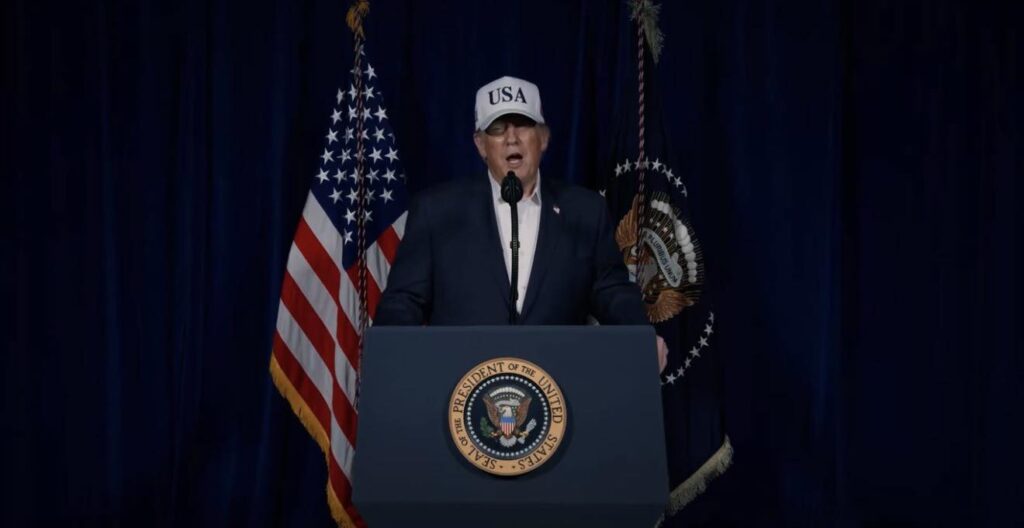
The latest rupture stems from comments made by U.S. Senator J.D. Vance. In a discussion regarding broader foreign policy, Vance referenced the stalled Iran talks, suggesting the U.S. had already presented its most favorable terms. This characterization, seemingly indicating a hardened, take-it-or-leave-it stance, prompted an immediate and forceful response from Tehran.
Iranian officials did not mince words. They stated unequivocally that the talks had reached a dead end, and the primary reason was the United States’ refusal to move away from a set of demands that Iran finds unacceptable. From Iran’s perspective, the U.S. posture contradicts the basic spirit of the original JCPOA, which was built on mutual commitments and sanctions relief in exchange for verifiable limits on Iran’s nuclear program.
The Core of the Contention: What Are the “Unreasonable Demands”?
While the exact details of the closed-door negotiations remain confidential, years of diplomatic reporting and statements from both sides point to several persistent sticking points that Iran likely categorizes as beyond the pale.
- Guarantees Beyond the Deal: Iran has consistently demanded ironclad assurances that a future U.S. administration will not unilaterally withdraw from the agreement again, as President Donald Trump did in 2018. The U.S. constitutional system makes such a legally binding guarantee virtually impossible, leading to an inherent tension.
- Investigations into Past Activities: Reports suggest the U.S. and its European allies have pushed for closure on long-standing questions from the International Atomic Energy Agency (IAEA) regarding traces of uranium found at old, undeclared sites. Iran views this as a politicized issue separate from the nuclear deal and resists commitments it sees as open-ended.
- Regional and Missile Concerns: A major point of divergence is the U.S. desire to address Iran’s ballistic missile program and its regional influence through proxy groups. Iran insists these matters are non-negotiable and fall outside the scope of a purely nuclear agreement.
For Tehran, these points represent a pattern of the West moving the goalposts and seeking concessions that were never part of the original 2015 bargain.
The Vance Remark: Symptom of a Broader U.S. Divide
Senator Vance’s “best final offer” comment is significant not just for its content but for what it reveals about the American political landscape. The JCPOA has been one of the most polarizing foreign policy issues in Washington for nearly a decade.
- Bipartisan Skepticism: Many Republicans and some Democrats have always viewed the deal as fundamentally flawed, arguing it provided too much sanctions relief for too temporary a constraint on Iran’s nuclear capabilities.
- Domestic Politics Trumping Diplomacy: The comment reflects a hardline position that any return to the JCPOA must be on terms overwhelmingly favorable to the U.S., a stance that leaves little room for the compromise essential to diplomacy. This domestic pressure boxed in the Biden administration, which came into office promising to return to the deal but faced significant congressional opposition.
Thus, Iran’s reaction is not just to the administration’s negotiators but to a perceived American political reality that is inherently unstable and unreliable from their vantage point.
The Consequences of Collapse: A More Dangerous Middle East
The failure to revive the nuclear accord has tangible and dangerous consequences for regional and global security. With the diplomatic track in tatters, all parties are now accelerating their contingency plans, leading to a classic and perilous security dilemma.
Iran’s Nuclear Advancements
Since the U.S. withdrawal and the subsequent collapse of the deal’s limits, Iran has made alarming technical progress. It is now enriching uranium up to 60% purity—a short technical step from weapons-grade levels—and has amassed a stockpile many times larger than what was permitted under the JCPOA. The failure of talks legitimizes, in Tehran’s view, the continuation of this aggressive nuclear posture as its primary leverage.
Increased Risk of Conflict
The absence of a functioning agreement removes guardrails and channels for communication. The region has already seen shadow wars, attacks on shipping, and direct missile strikes. The potential for a miscalculation or an incident spiraling into a direct military confrontation between Iran and the U.S. or its allies, particularly Israel, is higher than it has been in years. Both sides are now operating on the assumption that diplomacy has failed, making military posturing the default language of policy.
Is There Any Path Forward?
In the immediate wake of these accusations, the path forward appears bleak. The positions seem irreconcilable: the U.S., constrained by domestic politics, feels it cannot offer more, while Iran, hardened by experience and advancing its nuclear facts on the ground, feels it cannot accept less.
Potential off-ramps are few and narrow:
- Quiet, Indirect Dialogues: Official talks may be dead, but back-channel communications through intermediaries like Oman or Qatar could be used to manage crises and explore minimal understandings to prevent escalation.
- A Regional De-escalation Framework: Some analysts suggest bypassing the single-issue nuclear deal for a broader regional dialogue involving Gulf Arab states, addressing security concerns in a more holistic way. However, the current climate of distrust makes this a monumental challenge.
- A Return Under a New U.S. Administration: The electoral calendar looms large. The future of Iran policy may once again hinge on the outcome of the next U.S. presidential election, creating another cycle of uncertainty.
Conclusion: The High Cost of Unreasonable Expectations
The collapse of talks, punctuated by the exchange over “unreasonable demands,” is more than a diplomatic setback; it is a milestone in the steady erosion of non-proliferation in the Middle East. It highlights how domestic political narratives in both capitals—”maximum pressure” in Washington and “resistance” in Tehran—have overwhelmed pragmatic statecraft. The original JCPOA was never perfect, but it provided a verified framework that kept Iran’s nuclear program in check. Its absence has created a vacuum now filled with uranium enriched to near-weapons grade, heightened military tensions, and a profound loss of trust. The blame game over who made unreasonable demands will continue, but the undeniable outcome is a world facing a significantly greater risk of a new nuclear crisis.