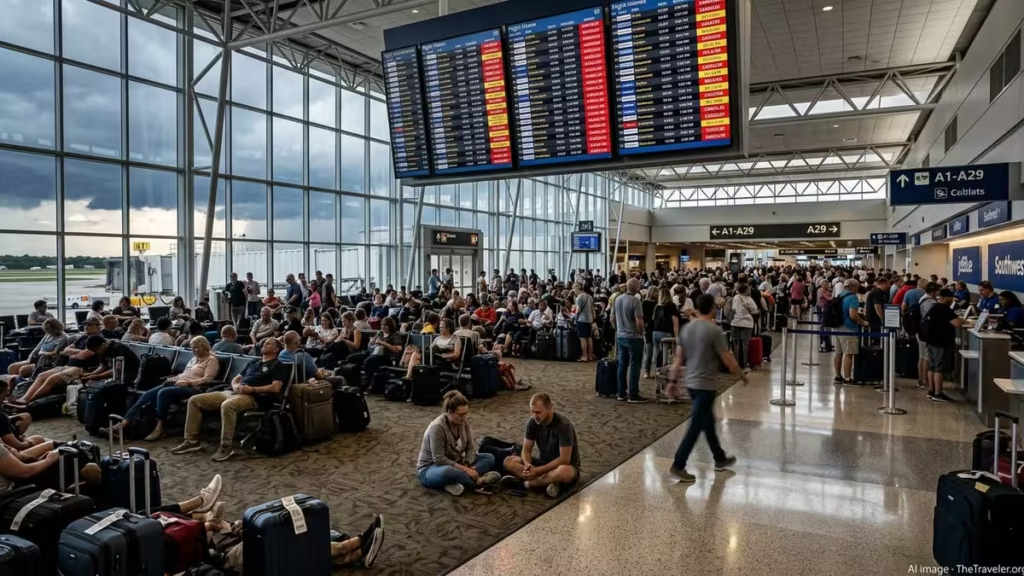
Travel Chaos at Orlando Airport: Major Delays and Cancellations Explained
A wave of flight disruptions swept through Orlando International Airport (MCO), leaving thousands of passengers stranded and frustrated. In a single day, the airport grappled with a staggering 219 flight delays and 11 cancellations, creating a ripple effect of travel turmoil across the United States. The disruptions impacted a wide array of carriers, turning what should have been a smooth journey into a logistical nightmare for families, business travelers, and vacationers alike.
Which Airlines Were Affected by the Orlando Airport Disruptions?
The scope of the disruptions was broad, affecting both budget and major carriers. Travelers reported significant issues with several key airlines operating out of MCO:
- Spirit Airlines: The ultra-low-cost carrier faced numerous delays, disrupting its typically packed flight schedule.
- Air Canada Rouge: International travelers connecting through Orlando also felt the impact, with delays on this popular Canadian carrier.
- Frontier Airlines: Another budget airline caught in the snarl, leading to cascading delays across its network.
- JetBlue: The New York-based airline, a major player in the Orlando market, experienced substantial hold-ups.
- Southwest Airlines: As one of the largest carriers at MCO, Southwest’s delays affected a significant number of passengers, compounding the airport’s congestion.
This multi-airline event suggests that the root causes were likely systemic issues affecting airport operations as a whole, rather than isolated incidents with specific carriers.
What Caused the Widespread Flight Delays and Cancellations?
While the immediate scene was one of crowded terminals and anxious passengers, the underlying reasons for such widespread chaos are often complex. Several factors commonly converge to create perfect storms for air travel disruption:
Severe Weather and Atmospheric Conditions
Florida is famously prone to sudden and severe afternoon thunderstorms, especially during the warmer months. A single strong weather cell passing over or near the airport can halt all ground operations and require increased spacing between arriving and departing aircraft. These “ground stops” and flow controls, initiated by the FAA for safety, can backlog the entire schedule for hours, even after the skies clear.
Air Traffic Control Constraints
Orlando International is one of the busiest airports in the world. When high traffic volume combines with weather-related slowdowns or staffing challenges within the national air traffic control system, the effects are magnified. Delays at major hub airports like Atlanta, New York, or Chicago can also have a downstream impact on flights heading to Orlando.
Airline Operational Challenges
The aviation industry continues to face pressures from earlier workforce reductions, leading to occasional crew scheduling shortages. If pilots or flight attendants “time out” due to a lengthy initial delay, airlines must scramble to find replacements, sometimes leading to cancellations. Additionally, aircraft and crew are often tightly scheduled; a delay early in the day in another city can mean that the plane and team needed for your Orlando flight aren’t there on time.
High Passenger Volume and Airport Congestion
MCO is a perpetual top travel destination. The sheer number of passengers, particularly families with children, can slow down security and boarding processes. When multiple delayed flights are trying to depart or arrive simultaneously, gate space becomes a precious commodity, and ground crews are stretched thin, further exacerbating delays.
Navigating the Chaos: Passenger Rights and Proactive Steps
For travelers caught in such disruptions, knowing your rights and taking proactive steps is crucial to managing the situation.
Understand Your Airline’s Contract of Carriage: This is the legal document outlining what the airline will do for you in the event of a cancellation or significant delay. Policies on providing meal vouchers, hotel accommodations, and rebooking on other airlines vary greatly between carriers.
Know the DOT Regulations: In the United States, the Department of Transportation (DOT) mandates that airlines provide refunds to passengers if a flight is canceled for any reason and the passenger chooses not to be rebooked. However, the rules for delays are less clear-cut and often depend on the airline’s own policy.
Act Quickly and Use Technology:
- As soon as you receive a delay or cancellation notice, get in line for the airline service desk and simultaneously call the airline’s reservation number. Whichever connects first wins.
- Use the airline’s mobile app to explore rebooking options yourself; sometimes, self-service tools are faster than waiting for an agent.
- Check the app for electronic meal or hotel vouchers if you’re entitled to them.
Consider Travel Insurance: A comprehensive policy can be a lifesaver, covering unexpected hotel stays, meals, and even alternate transportation if you’re stranded overnight. Check your credit card benefits as well, as many premium cards offer built-in travel delay protection.
The Ripple Effect and Long-Term Solutions
A day like this at a hub like Orlando International doesn’t just affect passengers at MCO. It creates a ripple effect across the entire national air system. Aircraft and crews are out of position for their next flights, causing delays in other cities hours later. The financial cost to airlines in terms of crew overtime, passenger accommodations, and lost goodwill is immense.
Addressing these systemic issues requires long-term investment and planning:
- Modernizing Air Traffic Infrastructure: Implementing next-generation FAA technology can make the system more efficient and resilient.
- Robust Airline Staffing: Building deeper buffers of reserve crews and operational staff to handle irregular operations.
- Passenger-Centric Policies: Advocating for clearer, more consistent federal regulations regarding compensation for lengthy delays beyond the airline’s control.
Conclusion: Preparing for the Inevitable in Modern Air Travel
The recent turmoil at Orlando International Airport is a stark reminder of the fragility of our interconnected air travel system. While weather is an unavoidable factor, the compounding effects of high demand, operational tightness, and infrastructure limits often turn a manageable problem into widespread chaos.
For travelers, the key takeaways are to stay informed, know your rights, and always have a contingency plan. Book flights with more connection time during peak travel seasons, consider travel insurance, and pack patience along with your carry-on. As the industry works toward more resilient operations, being a prepared and proactive passenger remains your best defense against the unpredictable nature of modern air travel.