The Truth Behind B.C.’s Ostrich Farm Cull and Misleading Arguments
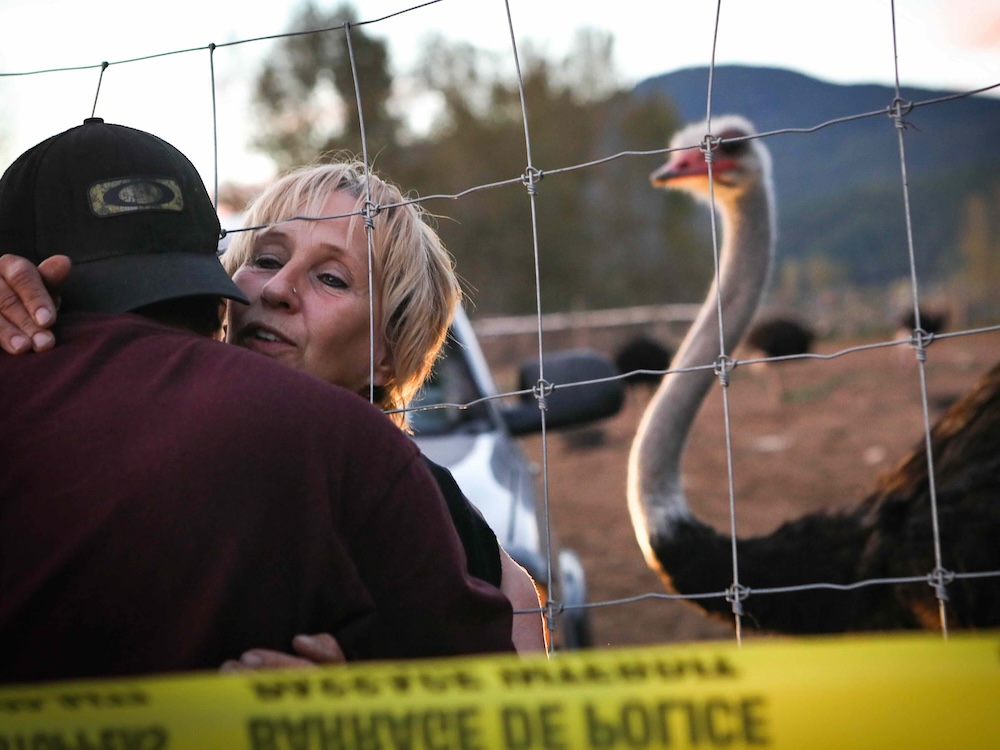
A recent decision by British Columbia’s Ministry of Agriculture has thrust a small, family-run ostrich farm into the national spotlight, sparking a fiery debate about animal welfare, regulatory authority, and the power of viral narratives. The province ordered the culling of over 100 ostriches at an Okanagan farm, citing severe animal welfare concerns. However, the farm owners and their supporters have mounted a public campaign, framing the action as government overreach and a senseless destruction of healthy animals. To understand the full story, we must look beyond the emotional headlines and examine the evidence, the legal framework, and the misleading arguments that have clouded the issue.
Unpacking the Province’s Justification for the Cull
The BC Ministry of Agriculture did not arrive at the decision to cull the flock lightly. The action followed a series of inspections and a veterinarian’s assessment that found the animals in a state of distress that could not be remedied on-site. Provincial officials stated the ostriches were suffering from a range of serious health issues.
The Veterinary and Welfare Concerns
According to the province, the identified problems were severe and systemic:
- Severe Emaciation and Dehydration: Many birds were found to be dangerously underweight and without adequate access to water.
- Overgrown and Damaged Beaks and Toenails: This condition, which can prevent eating and walking properly, is a clear sign of prolonged neglect in captive ratites.
- Injuries and Mobility Issues: The inspection reported injuries and lameness within the flock.
- Inadequate Shelter and Feed: The environment was deemed insufficient to protect the ostriches from the elements and to provide proper nutrition.
The ministry concluded that the level of care required to rehabilitate over 100 large, flightless birds—each capable of weighing over 300 pounds—was beyond the farm’s current capacity. The decision for euthanasia was framed as a last resort to alleviate undeniable suffering.
The Farm’s Defense and the Public Campaign
The farm owners, Shawn and Rena Jansen, have passionately contested the province’s findings. Through media interviews and a vigorous social media campaign, they have presented a starkly different picture, one that has resonated with the public and garnered significant support.
Key Arguments from the Farm Owners
- Healthy Animals: The Jansens insist their birds were healthy, describing them as “pets” and attributing their thin appearance to the natural leanness of ostriches post-winter.
- Government Overreach: They characterize the cull as an unjust seizure of private property and a heavy-handed action by bureaucrats.
- Alternative Solutions Ignored: They claim they were willing to sell or rehome the birds but were denied the opportunity by the province.
- Expert Testimony: The farm’s supporters point to a veterinarian they hired who, after a brief visit, disputed the province’s assessment, though this vet did not conduct full physical examinations.
This narrative has been effective, leading to protests, an online petition, and widespread public sympathy. However, a closer look reveals significant gaps and potentially misleading claims in this defense.
Examining the Misleading Arguments and Missing Context
While the emotional appeal of saving animals is powerful, several critical points complicate the farm’s narrative and support the province’s difficult decision.
1. The “Lean Post-Winter” Claim vs. Professional Assessment
Ostriches do experience seasonal weight fluctuations. However, the ministry’s inspection was conducted by experienced animal health professionals trained to distinguish between natural leanness and clinical emaciation. The presence of concurrent issues like overgrown beaks and injuries suggests chronic neglect, not a seasonal cycle. A private vet’s cursory opinion, offered without full exams, does not carry the same weight as the formal inspection that triggered legal action.
2. The Feasibility of Rehoming 100+ Ostriches
Rehoming a large flock of ostriches is not like finding homes for puppies. It is a monumental logistical challenge. These animals require specialized handling, significant space, and specific diets. There is no existing network in Canada to absorb over 100 ostriches quickly. The province argued that during the time required to attempt this, the animals would continue to suffer from their untreated conditions. The suggestion that rehoming was a simple, denied alternative is a gross oversimplification of a complex animal welfare crisis.
3. The Legal Framework and “Overreach”
The Ministry of Agriculture operates under the Prevention of Cruelty to Animals Act. This legislation empowers officers to intervene when animals are in distress. The process involves multiple steps, warnings, and opportunities for owners to comply before a seizure or destruction order is issued. The public narrative of a sudden, capricious “government cull” omits the almost certain history of directives and failed compliance that preceded this extreme measure. This is not overreach; it is the execution of a legal duty to prevent suffering.
4. The Selective Presentation of Evidence
The farm’s social media campaign showed selected images and videos of birds that may have appeared in better condition. Animal welfare investigations, however, must consider the entire population. The suffering of even a portion of the flock due to neglectful conditions warrants intervention. Focusing on healthier individuals creates a misleading impression of the overall situation assessed by inspectors.
The Bigger Picture: Lessons in Animal Welfare and Public Discourse
This tragic situation extends beyond one farm. It highlights systemic issues in how we regulate non-traditional livestock and how complex animal welfare stories are communicated in the digital age.
- Exotic Livestock Oversight: Ostrich farming exists in a regulatory grey area between agriculture and exotic animal husbandry. This case may prompt a review of standards and licensing for ratite farms to ensure welfare knowledge is a prerequisite for ownership.
- The Virality of Misinformation: The case is a textbook example of how a compelling, one-sided narrative can dominate public opinion before full facts are established. The emotional drive to “save the animals” can overshadow the grim reality of their suffering and the legal obligations of authorities.
- The True Meaning of Animal Welfare: Animal welfare science is based on preventing suffering, not merely preventing death. From the province’s perspective, euthanasia was the final, tragic tool to end sustained distress. It is the ultimate welfare failure, but one that sometimes becomes the only humane option.
Conclusion: A Tragedy Without Simple Villains
The culling of the Okanagan ostriches is an unmitigated tragedy. It is a tragedy for the animals who suffered, for the family who has lost their livelihood and beloved pets, and for the officials who were forced to make an agonizing decision.
However, framing this as a simple story of cruel government agents versus compassionate farmers is a profound distortion. The available evidence points to a scenario of severe animal neglect that reached a point of crisis, triggering a legal protocol designed for exactly this purpose. The misleading arguments, while understandable from a place of grief and defense, obscure the core truth: professional assessments found animals in profound distress, and the system, however blunt its final instrument, was activated to stop it.
The hope is that this painful event leads to constructive change—better support for farmers of exotic species, clearer public communication from authorities during crises, and a more nuanced public understanding that sometimes, the most compassionate outcome is also the hardest to see.