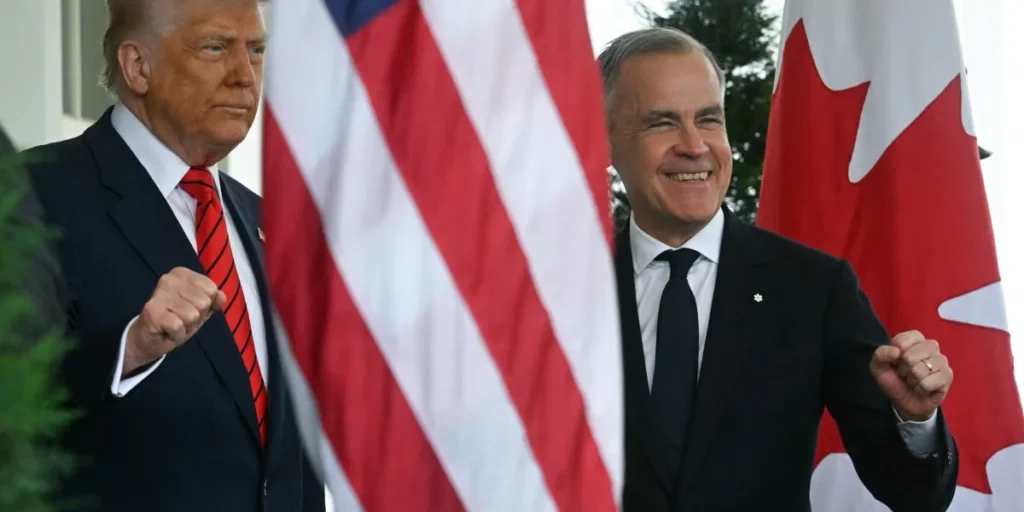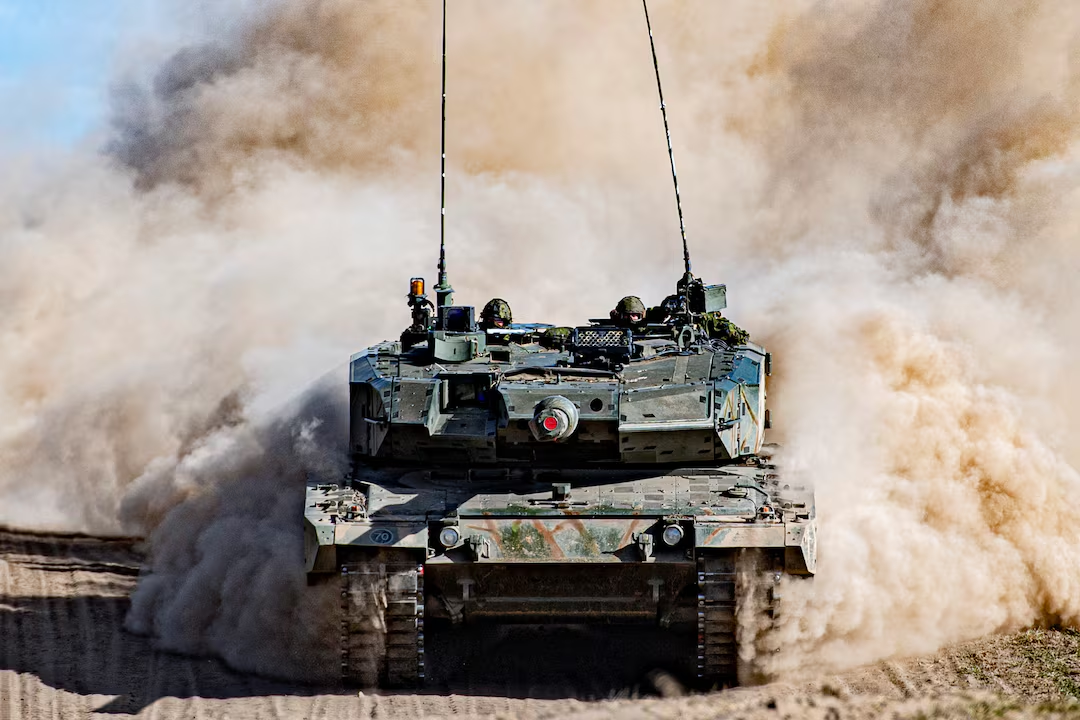
In a significant move to bolster its defense posture and reinforce transatlantic security ties, Canada has officially agreed to join a key European Union initiative aimed at dramatically increasing military spending and capabilities. This decision marks a pivotal shift for Canada, signaling a deeper commitment to collective security beyond its traditional NATO obligations and a direct partnership with the EU’s defense framework. As global threats evolve and geopolitical tensions rise, Canada’s participation in this pact underscores a strategic realignment towards enhanced preparedness and cooperation with European allies.
A Strategic Pivot: Deepening Transatlantic Defense Bonds
For decades, Canada’s primary defense alliance has been the North Atlantic Treaty Organization (NATO), where it has committed to spending 2% of its Gross Domestic Product (GDP) on defense—a target it has consistently struggled to meet. The new agreement with the European Union represents a complementary, yet distinct, pathway. By aligning with the EU’s defense surge initiative, Canada is not replacing its NATO duties but layering on an additional framework for cooperation, investment, and industrial collaboration with 27 European nations.
This partnership allows Canada to engage directly with the European Defence Fund (EDF) and the Permanent Structured Cooperation (PESCO) mechanism, which are designed to foster joint research, development, and acquisition of cutting-edge military technology. For Canadian defense firms, this opens a door to a massive new market and opportunities for joint ventures, driving innovation at home while contributing to allied strength abroad.
Why Now? The Geopolitical Imperative
The decision comes at a critical juncture in international affairs. The war in Ukraine has served as a stark wake-up call for Western democracies, highlighting urgent gaps in military stockpiles, industrial capacity, and readiness. European nations have been scrambling to rebuild defenses neglected since the end of the Cold War. Canada, facing similar pressures and scrutiny from allies over its defense spending, is leveraging this EU pact as a structured mechanism to accelerate its own military modernization.
Key drivers behind Canada’s move include:
- Enhanced Deterrence: A collective show of force and financial commitment with EU partners to deter aggression from adversarial states.
- Industrial Capacity: Addressing critical shortages in ammunition, air defense systems, and other key matériel through coordinated production.
- Arctic Security: As a northern nation, Canada sees value in collaborating with European Arctic states like Norway, Denmark, and Sweden on domain awareness and security in the High North.
- Strategic Autonomy: Both Europe and Canada seek to ensure they have the sovereign capability to defend their interests, reducing over-reliance on any single ally.
What Does the EU Defense Initiative Entail?
The EU’s initiative is not a single program but a comprehensive strategy with several interconnected components. Canada’s participation, while unique as a non-EU member, is expected to be tailored and phased.
Core Pillars of the Pact
1. The Financial Commitment: At its heart, the initiative is about surging funding. While the NATO guideline is 2% of GDP, the EU framework encourages members to invest more collaboratively and efficiently. For Canada, this means directing new funds not just into its own armed forces, but into joint projects that yield interoperable equipment with European allies, such as next-generation naval vessels, cyber defense systems, or satellite intelligence.
2. Research and Joint Procurement: Through the European Defence Fund, Canada can co-finance research in dual-use technologies like artificial intelligence, quantum computing, and secure communications. Perhaps more impactful is the potential for joint procurement—pooling orders for items like artillery shells or drones to achieve economies of scale and faster delivery, a lesson painfully learned from the Ukraine conflict.
3. Operational Cooperation: Beyond money and kit, the pact facilitates deeper military-to-military ties. This could mean more frequent joint exercises, improved intelligence sharing, and streamlined processes for Canadian forces to operate alongside EU battlegroups or naval missions.
Implications for Canada’s Military and Industry
This agreement will have tangible effects on the Canadian Armed Forces (CAF) and the domestic defense sector.
For the CAF: The immediate benefit is access to advanced European technology and equipment that might otherwise be inaccessible or prohibitively expensive. It could fast-track the replacement of aging platforms. However, it also brings pressure to finally meet and sustain robust spending targets. The government will need to present a clear, long-term budget plan to back its diplomatic commitment.
For Canadian Industry: This is a potential game-changer. Companies like CAE, MDA, and dozens of innovative SMEs can now compete for contracts within EU-funded consortia.
- They gain access to EU research grants and development partnerships.
- They must meet EU standards and regulations, raising the bar for quality and competitiveness.
- Success in this arena could establish Canada as a global hub for niche defense technologies.
Navigating Challenges and Criticisms
The move is not without its skeptics. Some analysts question whether Canada is adding bureaucratic complexity by engaging with both NATO and an EU mechanism. There are also concerns about the domestic political will to follow through with sustained, significant budget increases, which have been promised but delayed in the past.
Furthermore, as a non-EU member, Canada will have a seat at the table but not a vote in all decision-making processes within PESCO. Negotiating the precise terms of its participation—how much it contributes financially and what projects it can lead—will be crucial. The government must ensure this pact delivers clear value for Canadian taxpayers and soldiers, not just symbolic goodwill.
A New Chapter in Canada’s Defense Policy
Canada’s decision to join the EU defense spending surge initiative is more than a policy adjustment; it is a statement of strategic intent. It acknowledges that the era of complacency in defense is over. In a world of renewed great power competition, security is built through durable partnerships, shared investments, and industrial resilience.
By weaving itself into the fabric of European defense cooperation, Canada is positioning itself as a more reliable and capable ally. It is choosing to build security proactively rather than reactively. The success of this venture will depend on consistent funding, clear-eyed project selection, and a whole-of-nation effort involving government, the armed forces, and the private sector. If executed effectively, this pact can strengthen Canada’s sovereignty, fuel its innovation economy, and make a substantial contribution to the stability of the transatlantic alliance for decades to come.