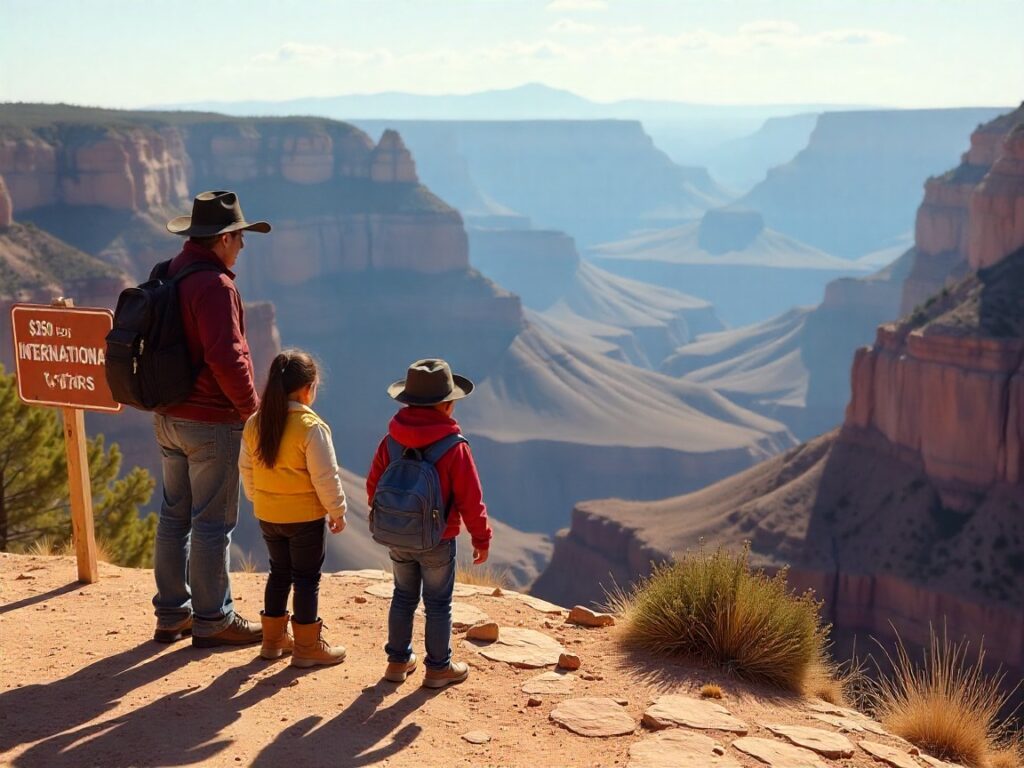
For decades, the iconic landscapes of the United States National Parks have welcomed millions of international visitors with open arms and a relatively modest entry fee. That era is set for a dramatic shift. Starting in 2026, foreign tourists from key markets like Canada, Mexico, and the United Kingdom will face a significant new financial barrier: a mandatory $250 “America the Beautiful – National Parks and Federal Recreational Lands Pass” coupled with a $100 surcharge for processing. This policy, representing a near-tripling of costs for many, is poised to reshape international travel to America’s natural wonders.
Understanding the 2026 International Park Pass Structure
The new fee structure is a two-part system designed specifically for non-U.S. citizens. It moves away from the current per-vehicle or per-person entry fees at individual parks to a comprehensive, albeit costly, annual pass.
The Core Components of the New Fee
- The $250 Pass: This is the base price for the “America the Beautiful” pass for international visitors. It grants the holder access to over 2,000 federal recreation sites, including all 63 national parks, for one year from the date of purchase.
- The $100 Surcharge: On top of the pass cost, a non-negotiable $100 fee will be applied to cover “processing costs.” This brings the total upfront cost for a foreign tourist to $350.
It is crucial to note that this new international pass is separate from the existing pass available to U.S. citizens, which currently costs only $80 annually and has no surcharge. The disparity highlights the targeted nature of this increase.
Who Will Be Affected by the New Park Fees?
The policy specifically targets leisure travelers from outside the United States. Initial reports and legislative language indicate that visitors from Canada, Mexico, and the United Kingdom—three of the largest sources of international tourism to U.S. parks—will be among the first to navigate this new system. The framework suggests it could be expanded to include travelers from other nations in the future.
There will be important exemptions. The fee is not expected to apply to:
- U.S. citizens and permanent residents.
- Diplomats and individuals on official government business.
- Children under a certain age (specific age thresholds are to be finalized).
- Visitors entering parks for traditional, non-recreational purposes.
The Driving Forces Behind the Steep Increase
The rationale from U.S. authorities centers on two main pillars: infrastructure sustainability and demand management.
1. Addressing the Deferred Maintenance Backlog
The National Park Service (NPS) faces a staggering backlog of deferred maintenance and repair projects, estimated to be in the tens of billions of dollars. Roads, bridges, visitor centers, and trails across the system are aging under the pressure of record-breaking visitation. Proponents argue that international tourists, who contribute significantly to wear and tear, should bear a larger share of the cost for preserving these sites for future generations.
2. Managing Overcrowding and Conservation
Parks like Yellowstone, Zion, and the Grand Canyon have become victims of their own popularity, experiencing severe overcrowding that strains ecosystems, diminishes visitor experience, and creates safety hazards. By substantially raising the cost for a key demographic, the policy aims to moderate visitor numbers, reducing environmental impact and improving conditions for those who do visit.
Potential Impact on International Tourism and Local Economies
The reaction from the international travel community and U.S. border towns has been a mix of understanding and concern.
- Visitor Deterrence: A $350 pass is a major expense, especially for families or budget-conscious travelers on a shorter trip to see one or two parks. This may lead some to reconsider a U.S. vacation altogether or drastically shorten their park itineraries.
- Competitive Disadvantage: Travel experts warn that destinations like Canada, New Zealand, or European nations with more accessible natural parks may become more attractive alternatives.
- Economic Ripple Effects: Gateway communities whose economies are deeply tied to park tourism—from hotels and restaurants to guiding services and gear rentals—fear a downturn. A reduction in international visitors, who often stay longer and spend more, could have painful local consequences.
How International Travelers Can Prepare for 2026
While the policy begins in 2026, savvy travelers can start planning now to mitigate the impact.
- Plan a 2025 Trip: The most straightforward strategy is to schedule that dream national parks road trip before the new fees take effect.
- Maximize the Pass Value: If traveling in 2026 or beyond, plan an extensive, parks-focused itinerary. Visiting four or five major parks can make the $350 pass a more rational investment compared to paying individual park entry fees, which can be $35 per vehicle.
- Research Exemptions and Alternatives: Stay updated on the final rules for potential exemptions. Also, consider exploring the vast network of U.S. National Forests, Bureau of Land Management areas, and state parks, which offer breathtaking scenery often with lower fees or no cost.
- Budget Accordingly: Simply factor the $350 pass as a non-negotiable line item in your U.S. travel budget, similar to a flight or major attraction ticket.
A New Chapter for Global Access to America’s Parks
The introduction of the $250 international park pass and $100 surcharge marks a pivotal moment in the history of U.S. public lands. It is a direct response to the dual crises of underfunding and overuse. While the goal of preserving these treasures is universally shared, the method introduces a significant equity question about access to natural heritage.
The coming years will reveal whether this bold fee hike successfully generates vital revenue for conservation without unduly harming the spirit of international goodwill and the economic health of park communities. For global travelers, the message is clear: experiencing America’s most iconic landscapes is about to become a more exclusive, and expensive, endeavor.