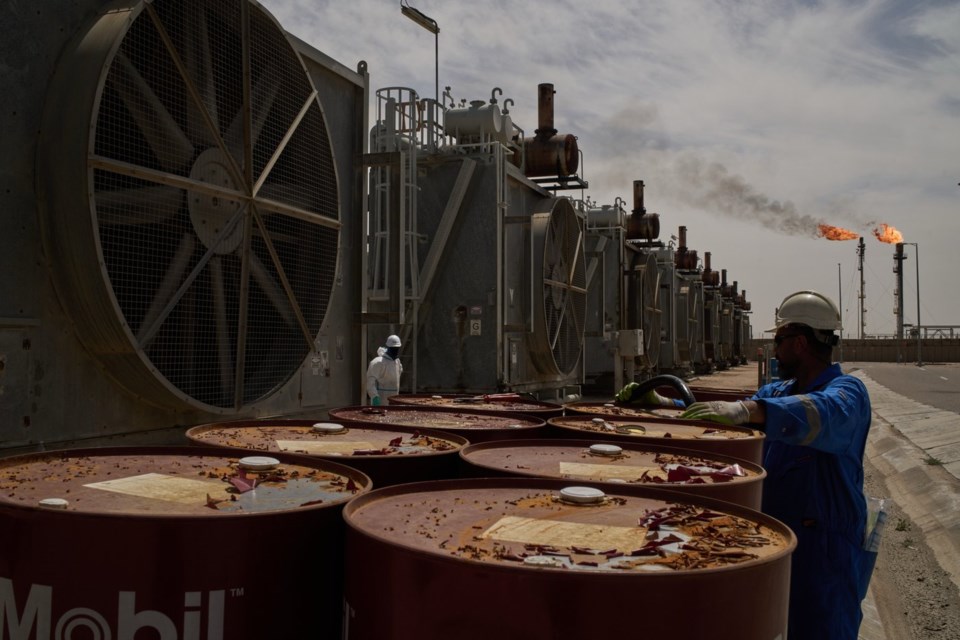
Colombia Summit Targets Global Fossil Fuel Phase Out: A Turning Point for Climate Action
The global fight against climate change is entering a new phase, and this time the focus has shifted to Colombia. The country is hosting a major summit aimed at one of the most difficult questions in climate policy: how the world can move away from fossil fuels entirely.
Unlike previous climate conferences that focused mainly on emissions targets and broad commitments, this summit takes a more direct approach. It focuses on reducing the production and use of oil, gas, and coal. Leaders, activists, and policymakers are gathering to build a practical roadmap for ending global dependence on fossil fuels.
Why Colombia Is Hosting the Summit
Colombia is a fitting location for this discussion. As an oil-producing country, it represents both the challenges and opportunities of transitioning away from fossil fuels.
Under President Gustavo Petro, the country has taken steps toward reducing its reliance on extraction industries and expanding cleaner energy sources.
By hosting the summit, Colombia is sending a clear message: even resource-dependent nations recognize the need for change. The transition, however, must be fair, fast, and financially supported.
Key National Priorities for Colombia
- Reducing dependence on volatile oil markets
- Protecting biodiversity in the Amazon and coastal regions
- Creating new green jobs for workers
- Supporting indigenous communities affected by extraction
Three Major Issues on the Agenda
The summit is focused on practical action rather than general discussions. Three key areas are driving the negotiations.
1. Climate Finance for Developing Countries
Developing nations are calling for financial support from wealthier countries that have contributed most to global emissions.
Discussions include:
- Large-scale annual climate funding commitments
- Debt restructuring linked to green energy projects
- Technology sharing for renewable energy systems
- Compensation for stranded fossil fuel assets
2. Reducing Fossil Fuel Production
A major shift in this summit is the focus on limiting fossil fuel supply at the source, not just reducing consumption.
Proposals include:
- Halting new oil and gas exploration projects
- Gradual reduction plans for major fossil fuel exporters
- Ending global fossil fuel subsidies
- International agreements to cap production
3. A Fair Transition for Workers
A key concern is how to protect workers and communities that depend on fossil fuel industries.
Plans under discussion include:
- Income support during retraining programs
- Investment in renewable energy jobs in affected regions
- Pension protection for older workers
- Health programs for communities near extraction sites
Why This Summit Matters Now
The timing of the summit is critical. The world is experiencing more extreme weather events, including heat waves, floods, and wildfires. Scientists continue to warn that time is running out to prevent the worst impacts of climate change.
At the same time, global energy markets remain unstable due to geopolitical tensions, highlighting the risks of dependence on fossil fuels.
The debate is shifting from whether fossil fuels should be phased out to how quickly the transition can happen.
The Economic Shift Toward Clean Energy
- Renewable energy is now cheaper in many regions
- Energy independence reduces geopolitical risk
- Green industries are creating new jobs
- Pollution-related health costs are becoming harder to ignore
What to Watch During the Summit
The success of the summit depends on whether countries agree to real, enforceable actions rather than symbolic commitments.
Key players include:
- Saudi Arabia
- Venezuela
- United States
- Brazil
Their positions will heavily influence whether the summit leads to meaningful change or remains a discussion without action.
Final Thoughts: A Global Turning Point
The transition away from fossil fuels is one of the biggest challenges of this generation. It requires cooperation between governments, industries, and communities worldwide.
The summit in Colombia represents an important step in that direction. While the outcome is still uncertain, the global conversation has clearly shifted toward action rather than debate.
For the first time, the question is not whether the world will move away from fossil fuels—but how fast it can happen.