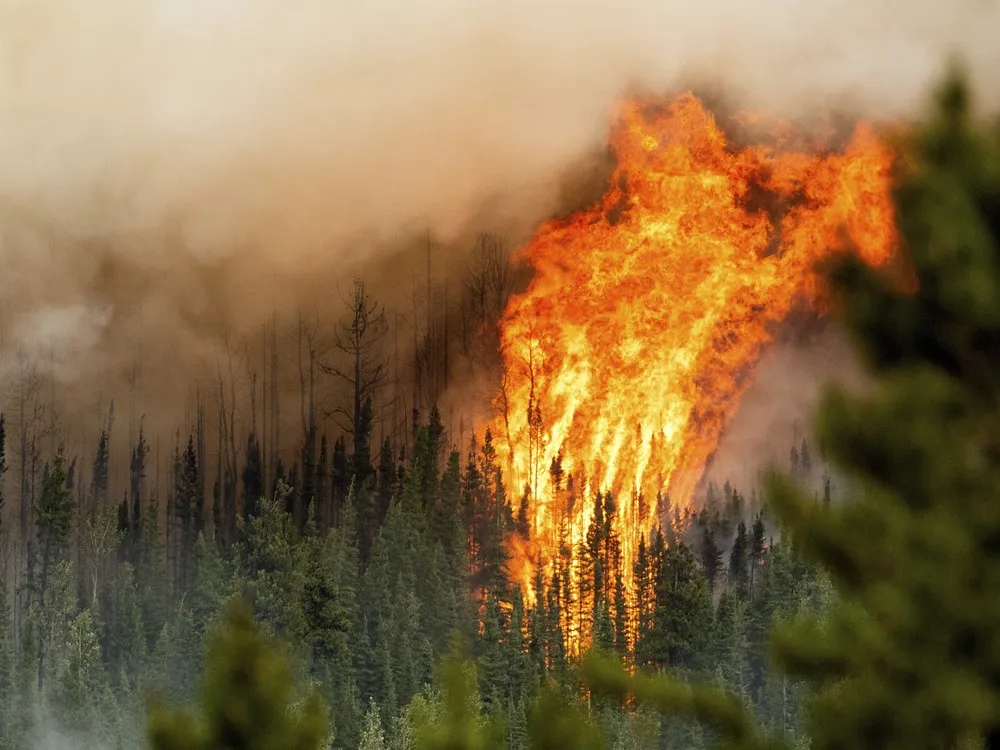
The images are becoming tragically familiar: neighborhoods submerged under murky floodwaters, communities reduced to ash by runaway wildfires, and homes shattered by unprecedented windstorms. From coast to coast to coast, Canada is facing a new era of frequent and severe disasters. Yet, a growing chorus of experts warns that our systems of preparedness and response are dangerously outdated, leaving millions of Canadians vulnerable. Are we truly ready for the next catastrophe, or are we operating on hope and outdated plans?
The Rising Tide of Disasters in a Changing Climate
Canada is no stranger to harsh environments, but the scale and frequency of modern disasters are breaking historical patterns. Climate change acts as a force multiplier, intensifying the very hazards we have long managed.
Consider the recent evidence:
- Wildfires: Record-breaking seasons have seen fires burn from British Columbia to Nova Scotia, choking cities in smoke and destroying entire towns like Lytton, BC.
- Atmospheric Rivers & Flooding: Events like the 2021 British Columbia floods, which cut off major highways and stranded communities, demonstrated how a single atmospheric river can cause billions in damage and cripple supply chains.
- Extreme Weather: Powerful derechos, tornadoes in unlikely regions, and devastating ice storms are testing the resilience of our infrastructure and emergency services.
This isn’t a future problem; it’s our present reality. The fundamental question is whether our disaster management framework, much of which was designed for a different climate era, can keep pace.
The Gaps in Our Armor: Where Preparedness Falls Short
A critical analysis reveals several systemic weaknesses that undermine Canada’s ability to manage cascading disasters effectively.
Outdated Infrastructure and Building Codes
Much of Canada’s critical infrastructure—roads, bridges, sewers, and electrical grids—was built for the climate of the past. It is now routinely overwhelmed. Similarly, building codes in many regions have been slow to adapt, allowing construction in high-risk floodplains or without sufficient resilience to wildfire embers or high winds. Retrofitting and hardening this infrastructure is a monumental, yet essential, task.
The “Response Gap” and Strained Resources
Canada relies heavily on a “surge model” for disaster response, where local resources are overwhelmed and must wait for provincial or federal assistance. However, as disasters multiply, this model is breaking down. When multiple provinces face concurrent crises—wildfires in the west and hurricanes in the east—the national capacity to surge is stretched impossibly thin. Firefighters, emergency medical teams, and even the Canadian Armed Forces are being called upon too often, leading to exhaustion and resource depletion.
Fragmented Communication and Planning
Disaster management responsibilities are split between municipal, provincial/territorial, and federal governments. This can lead to confusion, delays, and gaps in communication during fast-moving events. Inconsistent warning systems and a lack of clear, unified public messaging can leave citizens unsure of the level of risk or the actions they need to take.
Beyond Reaction: The Critical Need for Proactive Investment
The current approach often prioritizes reactive spending—billions in disaster recovery and rebuilding—over proactive investment in prevention and mitigation. This is a costly cycle. Studies consistently show that every dollar invested in disaster resilience saves multiple dollars in future recovery costs.
Key areas for proactive investment include:
- Modernized Risk Mapping: Updating floodplain and wildfire risk maps using current climate data to inform land-use planning and insurance.
- Nature-Based Solutions: Investing in wetlands restoration, urban forests, and natural firebreaks that can mitigate flood and fire impacts.
- Household & Community Resilience: Funding programs to help individuals retrofit homes, create community resilience hubs, and develop robust local emergency plans.
- Strengthening the Social Fabric: Disasters disproportionately impact the most vulnerable. Preparedness must include support for low-income households, seniors, and those with limited mobility who are often hardest hit.
A Call for a National Resilience Strategy
Addressing this crisis requires moving beyond piecemeal upgrades to a coherent, national vision. Canada needs a dedicated, well-funded National Climate Resilience Strategy that does the following:
1. Integrate Climate Projections into All Planning
Every infrastructure project, zoning decision, and emergency plan must be evaluated against future climate scenarios, not historical data.
2. Reform Disaster Financial Assistance
Programs like the federal Disaster Financial Assistance Arrangements (DFAA) should incentivize and reward proactive mitigation investments by provinces and municipalities, rather than just reimbursing for losses after the fact.
3. Empower and Equip Local Communities
The first responders in any disaster are neighbors and local officials. They need sustained funding, training, and authority to act swiftly and effectively.
4. Prioritize Clear Public Communication
Develop a standardized, national alert system for all hazards and invest in public education campaigns that go beyond “72-hour kits” to discuss realistic risk, evacuation planning, and community support networks.
Conclusion: Building Resilience is Non-Negotiable
The conversation can no longer be about *if* another major disaster will strike, but *when* and *where*. The years of treating disasters as rare, isolated events are over. Canada stands at a crossroads. We can continue the costly cycle of reacting to catastrophes, or we can choose to build a more resilient nation.
This requires political will, significant investment, and a fundamental shift in mindset—from reaction to prevention, from fragmented efforts to coordinated strategy, and from seeing resilience as an expense to understanding it as an essential investment in our collective safety and economic stability. The next catastrophe is coming. The time to prepare for it is now.