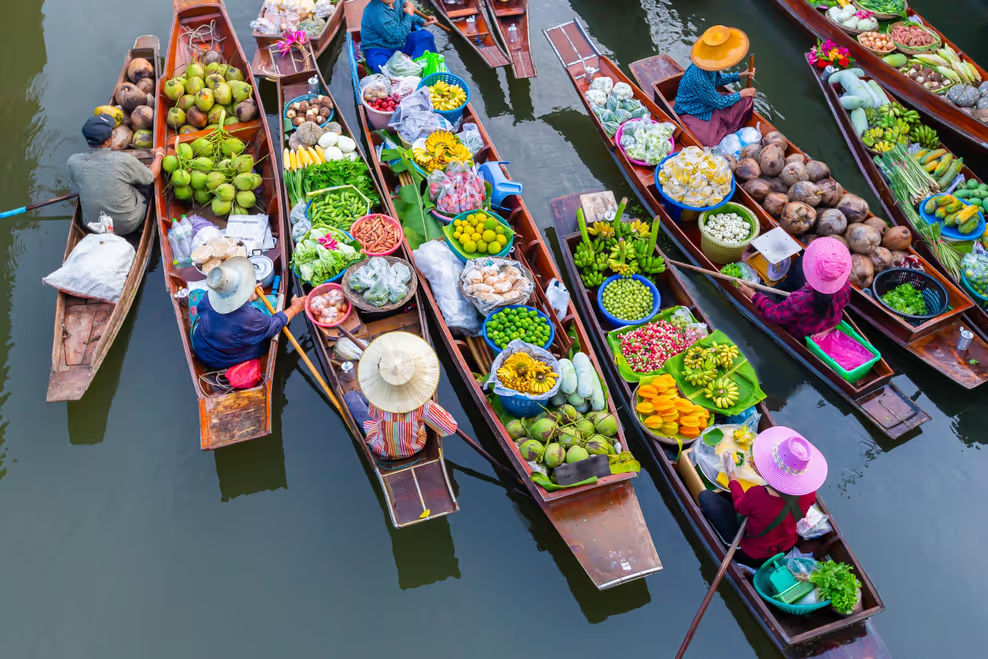
Dreaming of pristine beaches, vibrant street markets, and the rich cultural tapestry of Thailand? You’re not alone. Thailand remains one of the world’s most beloved travel destinations, captivating millions with its unique charm. However, a recent update from the Government of Canada serves as a crucial reminder that a successful trip is built on both excitement and awareness. Global Affairs Canada has revised its official travel advisory for Thailand, placing a significant new emphasis on risks associated with alcohol consumption. This isn’t about curbing your fun—it’s about empowering you with the knowledge to stay safe. Let’s dive into the essential details every Canadian traveler needs to know before their Thai adventure.
Understanding Canada’s Travel Advisory for Thailand
Travel advisories are dynamic tools, updated regularly to reflect the current safety landscape of a country. The Canadian government uses a four-level scale:
- Exercise normal security precautions (Level 1)
- Exercise a high degree of caution (Level 2)
- Avoid non-essential travel (Level 3)
- Avoid all travel (Level 4)
Thailand is currently listed at Level 2: Exercise a high degree of caution, due to factors like ongoing political tensions and the risk of civil unrest in certain areas. The latest advisory update, however, brings a specific and personal risk factor to the forefront: the dangers posed by contaminated or illicit alcohol.
The Highlighted Risk: Alcohol Safety in Thailand
This is the core of the updated warning. While Thailand’s bustling nightlife in cities like Bangkok, Phuket, and Pattaya is legendary, it carries hidden dangers that every tourist must recognize.
Contaminated and Counterfeit Alcohol
The advisory explicitly warns that locally produced alcohol, including spirits, rice wine, and herbal liquors, can be contaminated with toxic substances like methanol. Methanol poisoning is extremely serious, leading to permanent health issues like blindness, organ failure, or even death. Counterfeit versions of popular international brand-name spirits are also a widespread problem. These illicit products are often produced in unregulated, unsanitary conditions and may contain dangerous industrial alcohols or other harmful additives.
How to Identify and Avoid Dangerous Drinks
Staying safe requires vigilance. Here are key red flags and proactive steps:
- Stick to Reputable Establishments: Drink only at well-known hotels, established restaurants, and reputable bars. Be extremely wary of beach shacks, roadside stalls, or dubious nightclubs offering “special” or unusually cheap drinks.
- Examine the Bottle: Always check that the seal on any spirit bottle is intact and official. Look for misspellings on labels, poor-quality printing, or unfamiliar branding—all signs of a counterfeit.
- Avoid “Local Specialties” from Unknown Sources: While authentic Thai herbal whiskeys or rice wines can be part of the cultural experience, only consume them from trusted, high-end sources. Never accept homemade brews or unbranded liquors.
- Trust Your Senses: If a drink smells unusually strong or chemical-like, or has an “off” taste, stop drinking it immediately.
Broader Safety Considerations for Canadian Travelers
While the alcohol warning is critical, the travel advisory outlines other important safety considerations to ensure a smooth journey.
Petty Crime and Scams
As in many tourist hotspots, petty crime like bag-snatching and pickpocketing is common, especially in crowded markets, tourist sites, and on public transit. Be mindful of common scams, such as:
- Friendly strangers inviting you to gem shops or card games.
- Tuk-tuk or taxi drivers insisting a major attraction is “closed” and offering an alternative tour.
- Jet ski or rental equipment operators who claim you damaged their property.
Political Situation and Civil Unrest
Political demonstrations can occur with little warning, particularly in Bangkok. While often peaceful, they can sometimes lead to disruptions, road closures, or, rarely, violence. Always monitor local news, avoid all demonstrations and large gatherings, and follow the instructions of local authorities.
Transportation Safety
Road safety is a significant concern in Thailand. Traffic accidents are frequent. Exercise extreme caution if renting a motorbike—ensure you have an international driving permit and appropriate travel insurance. Always wear a helmet. Use seatbelts in cars and be cautious when using intercity buses or minivans.
Your Pre-Departure Checklist: Be Prepared, Not Scared
Knowledge is your best travel insurance. Before you go, complete this checklist:
- Register with ROCA: Always register with the Registration of Canadians Abroad (ROCA) service. This allows the government to contact you in case of an emergency.
- Verify Your Insurance: Double-check that your travel health insurance is comprehensive and covers medical evacuation. Ensure it does not have exclusions for incidents related to alcohol consumption, especially if it’s deemed contributory negligence.
- Know Your Embassy: Save the contact information for the Embassy of Canada to Thailand in Bangkok in your phone and carry a physical copy.
- Digital and Physical Copies: Have digital and physical copies of your passport, visa, insurance policy, and important contacts.
- Stay Informed: Bookmark the official Government of Canada Travel Advice and Advisory for Thailand page and check it regularly before and during your trip.
Embracing Thailand with Confidence and Caution
The updated travel advisory is not meant to deter you from experiencing the Land of Smiles. Its purpose is to ensure you do so with your eyes wide open. Thailand offers unparalleled beauty, incredible food, and warm hospitality. By heeding this official advice—particularly regarding alcohol consumption—you make a conscious choice to prioritize your health and safety.
You can still enjoy a sunset cocktail on a breathtaking beach, toast to new friendships, and explore the vibrant nightlife. The key is to do so smartly: choose your venues carefully, inspect what you drink, and stay within your limits. Combine this awareness with general precautions against crime and staying informed about local events, and you lay the foundation for an unforgettable and safe Thai adventure.
Prepare thoroughly, travel smartly, and immerse yourself in all the amazing experiences Thailand has to offer, knowing you’ve taken the essential steps to protect your journey.