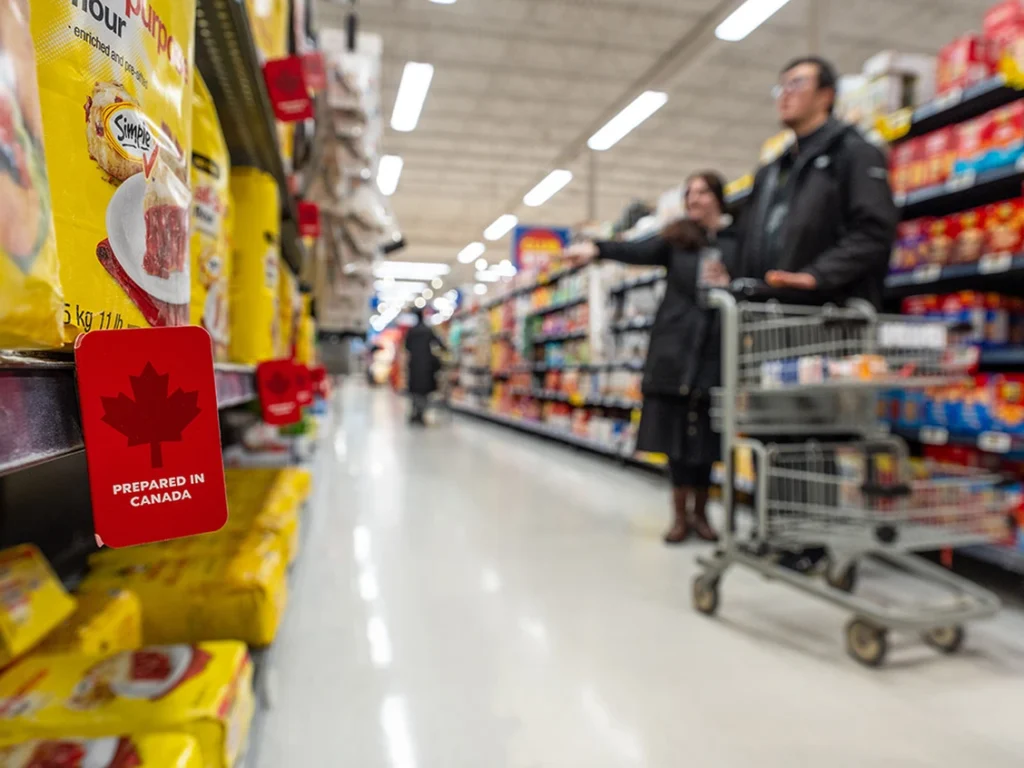
If you’ve felt a persistent pinch at the checkout counter, you’re not imagining it. A new, stark projection confirms what many Canadian families already know in their budgets: grocery inflation is not a temporary blip. Recent analysis indicates that the average Canadian family is on track to spend an additional $1,000 on food in 2026 compared to just a few years prior. This isn’t about buying more; it’s about paying significantly more for the same cart of essentials. Let’s break down the complex web of factors driving this costly trend and explore what it means for your household finances.
The Perfect Storm: Key Drivers of Soaring Food Prices
This projected increase isn’t tied to a single cause but is the result of a “perfect storm” of domestic and global pressures converging on Canada’s food supply chain. Understanding these forces is the first step to navigating them.
1. Climate Change and Extreme Weather Events
The most unpredictable and powerful driver is our changing climate. Canada’s status as an agricultural powerhouse doesn’t make it immune.
- Droughts and Wildfires: Prolonged droughts in key growing regions in Canada and the United States reduce crop yields for staples like wheat, canola, and feed grains. Wildfires can destroy crops, disrupt transportation, and increase insurance costs across the supply chain.
- Unpredictable Growing Seasons: Unseasonable frosts, flooding, and heatwaves damage produce, leading to smaller, more expensive harvests of fruits and vegetables. A poor berry season in BC or a damaged wheat crop in the Prairies has nationwide ripple effects.
- Global Disruptions: Canada imports many items year-round. Climate disasters in food-exporting nations (e.g., droughts in South America, floods in Australia) tighten global supply and raise the price of imports like coffee, tropical fruits, and some vegetables.
2. Persistent Supply Chain Vulnerabilities
The pandemic exposed critical fragilities, and while some issues have eased, systemic challenges remain.
- Transportation and Fuel Costs: The cost of diesel fuel for trucks, rail, and shipping remains volatile. Any spike directly translates into higher transportation costs for moving food from farm to processing plant to store.
- Labor Shortages: From farm workers to truck drivers to food processors, labor gaps persist. Higher wages to attract workers, along with inefficiencies from being understaffed, contribute to overall cost increases.
- Geopolitical Instability: Conflicts like the war in Ukraine continue to disrupt global grain and fertilizer markets, creating baseline inflation for core agricultural inputs worldwide.
3. The Carbon Tax and Domestic Policy Impacts
This is one of the most debated domestic factors. The federal carbon price is designed to reduce emissions, but it adds a direct cost to every step of food production.
- Farm Inputs: Farmers pay the tax on the natural gas and propane used to heat greenhouses and dry grains, and on the diesel for tractors and equipment.
- Processing and Manufacturing: Food processors incur carbon costs for the energy required to run refrigeration, cooking, and packaging lines.
- Transportation: As mentioned, the tax on diesel adds to the cost of trucking food across the country.
While the policy includes rebates to households, the direct operational costs are embedded in the final price of food items, a point of significant contention in the national conversation on affordability.
What Does a $1,000 Increase Really Mean for Your Family?
This figure isn’t just an abstract statistic. For the average family of four, an extra $1,000 per year breaks down to:
- An additional $83 per month on the grocery bill.
- Nearly $20 more per week at the checkout.
This forces difficult trade-offs. That extra $83 monthly may mean cutting back on extracurricular activities for kids, delaying a necessary home repair, or sacrificing savings contributions. For lower-income families, the impact is even more severe, potentially leading to increased food insecurity and impossible choices between heating, eating, and other essentials.
Strategies to Combat Rising Food Costs
While systemic solutions require policy and industry action, families are not powerless. Strategic shopping and meal planning can help mitigate the blow.
Smart Shopping Habits
- Embrace Meal Planning: Plan weekly meals based on flyers and what’s in season. A plan drastically reduces impulse buys and food waste.
- Master the Price Match: Use grocery store apps and flyers to price-match items. This can yield significant savings without driving to multiple stores.
- Buy in Bulk (Wisely): For non-perishable staples your family uses consistently (rice, pasta, canned beans), buying in bulk during sales can offer long-term savings. Ensure you have storage space and will use the items.
- Reduce Food Waste: Canadians waste a shocking amount of food. Use leftovers creatively, practice proper food storage, and embrace “ugly” produce that’s just as nutritious but often cheaper.
Shifting Your Food Portfolio
- Prioritize Plant-Based Proteins: Meat is often one of the most expensive items in a cart. Incorporating more meals built around lentils, beans, chickpeas, and tofu can dramatically lower costs while boosting nutrition.
- Buy Frozen and Canned: Frozen fruits and vegetables are often more nutritious than “fresh” produce that has traveled long distances, and they are typically cheaper with no waste. Canned beans, tomatoes, and fish are pantry heroes.
- Cook at Home: This remains the single most effective way to control food costs. Pre-packaged and prepared foods carry a significant markup for convenience.
The Path Forward: A Call for Resilience
The projection of a $1,000 increase is a sobering forecast, but it is not destiny. It highlights the urgent need for a multi-faceted response:
- For Policymakers: Balancing environmental goals with acute affordability concerns, investing in agricultural innovation for climate resilience, and examining competition in the grocery sector.
- For Industry: Finding efficiencies, increasing transparency in pricing, and working to stabilize supply chains.
- For Consumers: Adapting shopping habits, advocating for fair policies, and building community resilience through things like food co-ops and shared knowledge.
The rising cost of food is more than an economic indicator; it’s a direct challenge to household stability and well-being. By understanding the “why” behind the price tags and taking proactive steps, Canadian families can build a stronger defense for their budgets in 2026 and beyond. The journey to the checkout counter may never be the same, but with insight and strategy, it can remain manageable.