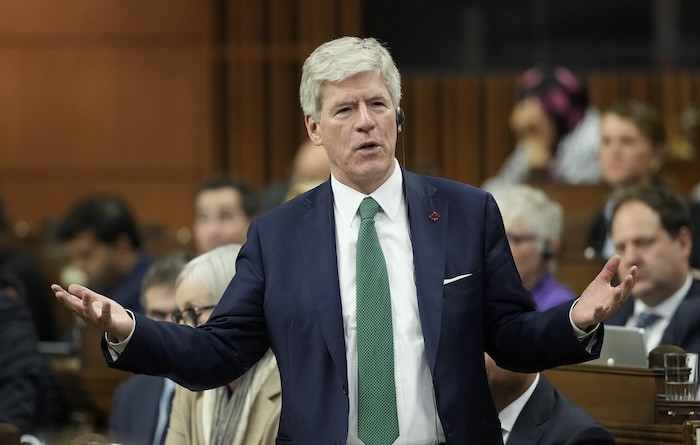
In a candid assessment that has sent ripples through Canada’s energy sector, the nation’s newly appointed Energy Minister, Nathan Carney, has issued a stark warning: the long-awaited sale of the Trans Mountain pipeline system is not a done deal. Despite a tentative agreement being reached, significant hurdles remain that could derail the process, casting fresh uncertainty over a critical piece of national infrastructure.
A Tentative Deal with Major Caveats
The federal government, under previous leadership, entered into an exclusive negotiation period with a consortium led by the Project Reconciliation group. This move was widely seen as the first concrete step toward fulfilling a campaign promise to divest the controversial asset, which Ottawa purchased in 2018 to ensure its expansion was completed.
However, Minister Carney is tempering expectations. In recent statements, he emphasized that the negotiations are complex and multifaceted, with no guarantee of a final sale. The government’s position is clear: any deal must meet stringent criteria that protect Canadian interests, both economically and environmentally.
The Three Pillars of a Successful Agreement
Carney outlined several non-negotiable conditions that any sale must satisfy. These pillars form the bedrock of the government’s position and represent the primary hurdles that must be cleared.
- Fair Value for Canadian Taxpayers: After investing billions to complete the expansion, the government is adamant that the sale price must reflect the pipeline’s value and recoup a significant portion of public funds. With the project now operational, its valuation is a complex and potentially contentious point.
- Ironclad Commitments to Indigenous Economic Participation: This is perhaps the most critical and delicate hurdle. The government insists that any ownership structure must include meaningful equity and partnership opportunities for Indigenous communities along the route. The current bidding consortium is Indigenous-led, but the specifics of the final arrangement are still under negotiation.
- Unwavering Environmental and Safety Standards: The minister stressed that the new owners must uphold and even exceed the highest environmental, safety, and operational standards. The pipeline’s future management is under intense scrutiny, and the government will seek legally binding commitments.
Why the Sale is So Fraught with Complexity
The Trans Mountain pipeline is not just another piece of infrastructure; it is a symbol of Canada’s deep internal tensions between economic development, climate action, and Indigenous reconciliation. Its sale was always going to be a political and commercial tightrope walk.
Political and Public Pressure: The pipeline remains a lightning rod for environmental activists and communities concerned about oil spills and carbon emissions. Simultaneously, producing provinces like Alberta are eager to see the asset in private hands to secure market access for their resources. The minister must navigate these opposing forces.
Financial and Market Realities: The global energy landscape is shifting. While the expanded pipeline capacity is currently in high demand, long-term forecasts for fossil fuel demand create uncertainty for potential buyers making a multi-decade, multi-billion dollar investment. Financing such a large deal in this climate is a formidable challenge.
The Legacy of Federal Ownership: The government’s unprecedented decision to buy the pipeline has left a complicated legacy. It must now sell it in a way that justifies that original decision, without appearing to sell out Canadian interests or abandon climate commitments.
The Path Forward and Potential Stumbling Blocks
Minister Carney has indicated that the exclusive negotiation window is a period for rigorous due diligence, not a rubber stamp. Several specific stumbling blocks could emerge:
- Financing and Deal Structure: Can the consortium secure the necessary capital, and will the final ownership model satisfy the government’s requirement for substantive Indigenous partnership?
- Regulatory and Legal Covenants: Drafting the contractual terms that lock in environmental, safety, and Indigenous benefit promises will be a legal minefield.
- Closing the Valuation Gap: If the buyer’s offer and the government’s valuation are too far apart, talks could collapse.
What Happens If the Deal Fails?
The minister’s warnings raise a crucial question: what is Plan B? The government has not publicly detailed alternatives, but possibilities could include:
* Extending the negotiation period with other parties.
* Considering a different ownership model, such as a public-private partnership.
* Retaining federal ownership for a longer, unspecified period—a politically risky outcome for a government committed to divestment.
A Defining Test for Canada’s Energy Policy
The successful sale of the Trans Mountain pipeline was meant to be a signature achievement, turning the page on a decade of controversy. Minister Carney’s sobering message makes it clear that the final chapter has yet to be written.
This process is a defining test for the government’s ability to balance competing national priorities. It must transition a major fossil fuel asset out of public hands while upholding climate accountability, fulfilling promises of economic reconciliation with Indigenous peoples, and securing a return on a massive taxpayer investment.
The coming months of negotiation will reveal not just the future of a pipeline, but the contours of Canada’s pragmatic path forward in the global energy transition. All eyes are now on Minister Carney and the negotiating table, where the lofty goals of policy meet the hard realities of commerce and compromise. The hurdles are high, and the outcome is anything but certain.