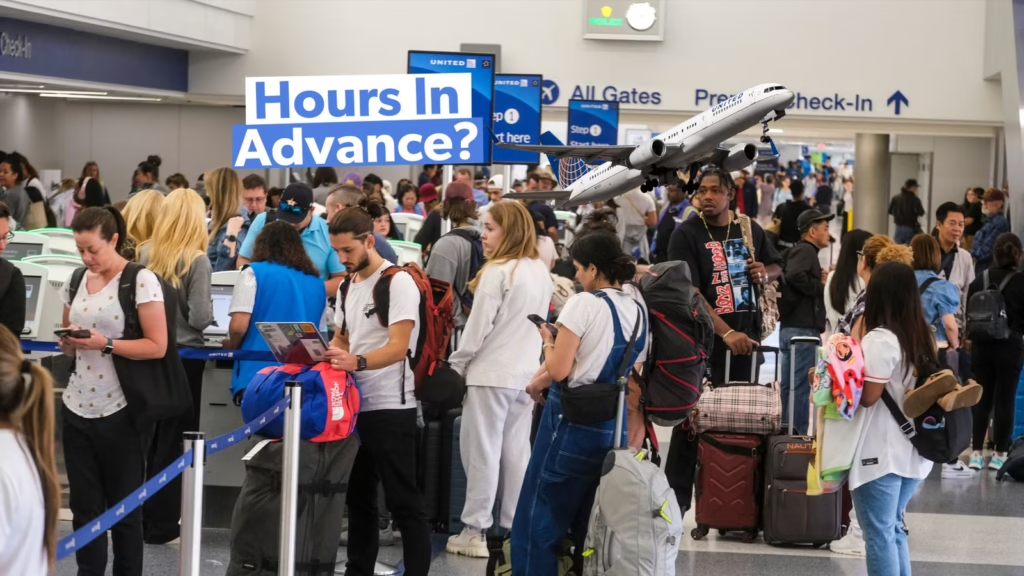
Early Baggage Check-In Policies Spark Global Airline Travel Debate
The familiar rhythm of air travel is facing a new, contentious beat. A growing trend among major airlines is disrupting the pre-boarding ritual, sparking frustration from passengers and igniting a debate that now spans the Atlantic and Pacific. The United States has officially joined Canada, the United Kingdom, and Australia in a simmering controversy centered on one simple airline procedure: the early closure of baggage check-in counters.
What was once a reliable constant—arriving at the airport within the stated check-in window—has become a gamble for many travelers. Airlines are increasingly enforcing strict, and often earlier, cutoff times for accepting checked luggage, sometimes closing counters 60, 75, or even 90 minutes before departure, regardless of the official flight status. This policy shift is creating a wave of missed flights, costly last-minute luggage dilemmas, and a profound sense of passenger discontent.
The Core of the Controversy: Efficiency vs. Passenger Experience
Airlines defend the policy as a critical component of modern operational efficiency. In an era of tightly packed schedules and complex airport logistics, ensuring that baggage is loaded, sorted, and security-screened with ample time is paramount to an on-time departure.
The airline argument hinges on several key points:
- On-Time Performance: Late bags are a primary cause of flight delays. By imposing earlier cutoffs, carriers aim to create a more predictable loading process.
- Streamlined Ground Operations: Consolidating baggage from earlier cutoffs allows ground crews to work more systematically, improving safety and workflow.
- Security Mandates: Airlines must comply with stringent security screening timelines for all checked cargo, which requires significant lead time.
However, passengers and travel advocates counter that the pursuit of operational metrics is severely degrading the customer experience. The frustration stems from a perceived lack of consistency and communication.
The passenger grievances are equally compelling:
- The “Ghost Gate” Phenomenon: Counters closing well before the advertised time, even when the airport is quiet and the flight is listed as on-time.
- Inconsistent Application: Rules that seem to vary by airport, airline, or even the individual agent, creating confusion and unfair outcomes.
- The Costly Consequence: A traveler arriving 55 minutes before a flight with a 45-minute cutoff may be forced to either abandon their bag (if possible) or pay exorbitant same-day shipping fees, turning a minor timing misstep into a financial penalty.
A Global Issue: The US Joins the Fray
This is not an isolated problem. The debate has been raging for months in other major travel markets:
- Canada: Passengers have reported aggressive early cutoffs by major carriers, leading to public outcry and calls for regulatory clarity.
- United Kingdom & Australia: Similar stories have emerged at major hubs like Heathrow and Sydney, where passengers adhering to online check-in times have still been denied baggage drop.
The recent inclusion of the United States in this discussion marks a significant escalation. As major U.S. carriers face intense pressure to improve punctuality in a recovery post-pandemic travel surge, the early check-in closure tactic appears to be gaining traction. Reports from hubs like Atlanta (ATL), Dallas/Fort Worth (DFW), and Denver (DEN) indicate passengers are encountering these stricter policies more frequently, often without clear prior warning.
The Ripple Effect on the Boarding Experience
The impact extends beyond the check-in hall. This policy is actively disrupting the boarding process itself. As more passengers are turned away at baggage check, they are faced with a desperate choice: try to carry on oversized bags or rush to repack at the gate.
The result?
- Gate Check Chaos: A surge in last-minute gate-check requests, slowing down the final boarding process as ground staff scramble to tag and load a second wave of bags.
- Overhead Bin Wars: Increased competition for overhead bin space as passengers, wary of check-in cutoffs, maximize their carry-on allowances, leading to delays as flight attendants mediate space disputes.
- Heightened Passenger Anxiety: The entire pre-flight experience becomes fraught with stress, starting long before reaching the gate.
Navigating the New Landscape: Tips for Travelers
Until airlines and regulators provide greater transparency and consistency, the onus is on passengers to adapt. Protecting your travel plans requires a proactive approach.
Your essential pre-flight checklist should now include:
- Verify, Don’t Assume: Do not rely on generic “60-minute” rules. Always check your specific airline’s baggage cutoff time for your exact airport and flight on the day of travel. These can be found in your e-ticket confirmation or on the airline’s website.
- The 90-Minute Buffer: As a new standard of caution, aim to be at the baggage drop counter at least 90 minutes before a domestic flight and 2.5 to 3 hours before an international flight. This buffers against traffic, long check-in lines, and early counter closures.
- Embrace Digital Tools: Use airline apps for mobile boarding passes and, if available, curbside bag drop or self-service kiosks with bag tags to minimize time in line.
- Know Your “Plan B”: Research the airport’s onsite shipping options (like FedEx or UPS) and their locations as a last resort. Understand your airline’s policy on missed baggage cutoff—some may have an expensive “late check” option.
- Travel Light (If Possible): The most foolproof solution is to commit to carry-on only, ensuring you bypass the baggage check-in process entirely.
The Path Forward: A Call for Clarity and Fairness
The global nature of this debate indicates a systemic shift in airline operations. While the need for efficiency is understandable, the current implementation often feels punitive and opaque. The travel industry must find a better balance.
A potential resolution lies in:
- Standardized, Transparent Rules: Airlines should be compelled to clearly display and communicate a single, reliable cutoff time for each flight.
- Dynamic Communication: If counters must close early due to operational needs, real-time notifications via app alerts or airport displays should be mandatory.
- Regulatory Scrutiny: Consumer protection agencies in the US, UK, Canada, and Australia may need to examine whether these practices constitute unfair or deceptive terms of service, especially when passengers have already checked in online.
The early baggage check-in policy is more than a minor inconvenience; it’s a symbol of the growing tension between airline operational models and passenger rights. As this debate takes flight across four continents, the outcome will shape the fundamental trust and experience of air travel for years to come. For now, the mantra for every traveler is clear: arrive earlier than you think you need to, and always double-check the rules.