The End of Home Mail Delivery in Canada: What It Means for You
For generations, the sight of a postal worker walking the neighborhood, mailbag in hand, was a daily ritual. It was a symbol of connection, a tangible link to the outside world delivered right to your door. But that familiar scene is becoming a relic of the past. The gradual phase-out of home mail delivery in Canada, replacing it with community mailbox clusters, is a fundamental shift that affects millions. Whether you’ve already made the switch or are awaiting the change, understanding what this means for your daily life, your community, and the future of postal service is crucial.
Why Is Home Delivery Disappearing?
The decision to end door-to-door mail delivery wasn’t made overnight. It’s the result of powerful forces reshaping how we communicate and do business.
The Digital Revolution is the primary driver. With the rise of email, online billing, and digital messaging, the volume of letter mail has plummeted. Canada Post, like postal services worldwide, has seen a steep and steady decline in its core business, even as package delivery surges due to e-commerce.
This leads directly to the challenge of Financial Sustainability. Maintaining a labour- and fuel-intensive network designed for high mail volume is economically challenging when that volume is shrinking. The corporation argues that moving to community mailboxes (CMBs) is a necessary cost-saving measure to ensure the postal service remains viable without constant taxpayer subsidies.
Finally, there is the reality of Demographic and Urban Change. Newer suburban developments have been built with centralized mailboxes for decades. The shift standardizes service across the country, creating one system for all.
The Practical Impact: Your New Mail Routine
So, what changes when the red mailbox appears at the end of your street? Your relationship with your mail becomes more active.
1. The Community Mailbox (CMB) Experience
You will be assigned a locked compartment in a centralized unit, typically within a few blocks of your home. You’ll receive a key to access your mail. Larger parcels that don’t fit will result in a delivery notice card, prompting a trip to your local post office for pickup.
2. Key Considerations for Daily Life
- Convenience vs. Inconvenience: For some, checking mail becomes a chore, especially in harsh winter weather. For others, it’s a minor detour on a daily walk. The loss of that door-to-door convenience is the most cited drawback.
- Accessibility Concerns: This is the most serious issue. For seniors, individuals with mobility challenges, or parents with young children, the trip to a CMB can be a significant barrier. Canada Post offers exemptions for those with demonstrated medical needs, but the application process has been a point of contention.
- Security and Vandalism: While CMBs are built to be robust, concerns about mail theft, vandalism, and snow clearance around the units are common community complaints that shift responsibility from the postal service to municipalities or property owners.
- The Social Element: The loss of the daily interaction with a trusted postal worker, who often served as informal neighborhood watch, is a subtle but real community cost.
Beyond the Mailbox: Broader Implications
The end of home delivery is more than a logistical change; it signals a transformation in the role of Canada Post itself.
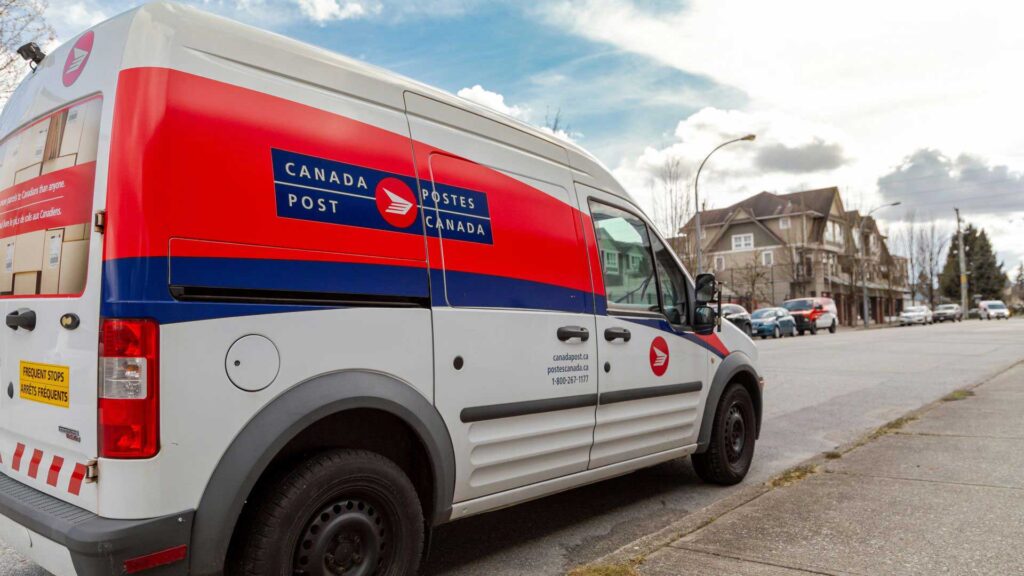
From Letters to Logistics: The corporation is pivoting hard to become a parcel delivery powerhouse. Your local postal worker is increasingly likely to be delivering Amazon packages than personal letters. This shift in focus is essential for its survival but changes its fundamental service identity.
Urban Planning and Community Design: CMBs take up space. Their placement can affect sidewalk access, parking, and the streetscape. This has led to conflicts between Canada Post and municipalities over bylaws and placement, turning mail delivery into a municipal planning issue.
The Equity Debate: The transition has sparked a fierce debate about equity. Is it fair to remove a universal service that has existed for over a century, disproportionately affecting vulnerable populations? Or is it a necessary, if difficult, modernization to preserve a service for all in a new era? There are no easy answers.
Navigating the Change: Tips for the Transition
If you’re facing the switch to a community mailbox, a little preparation can make the transition smoother.
- Go Digital Where Possible: Reduce your physical mail volume. Switch to e-billing for banks, utilities, and credit cards. Not only does this mean less to pick up, it’s more secure and environmentally friendly.
- Plan Your Pickups: Integrate checking your CMB into a regular routine, like on your way back from a daily walk or errand. For parcel pickups, know the hours and location of your designated post office.
- Know Your Rights Regarding Accessibility: If you or someone in your household faces a mobility barrier, contact Canada Post proactively about the Door-to-Door Service Exemption. Be prepared to provide medical documentation.
- Secure Your Mail: Pick up your mail regularly to avoid overflow, which can signal an empty home. Never leave outgoing mail with cheques or sensitive information in your CMB’s outgoing slot; use a secure postal outlet or street mailbox.
- Engage with Your Community: If there are issues with your CMB location, snow clearing, or vandalism, report them to Canada Post. Work with your neighbors and local council if the placement causes ongoing problems.
The Future of Connection in a Digital Age
The end of home mail delivery marks the closing of a long chapter in Canadian life. It is a concrete sign of how the digital world has reshaped our physical one. While the change brings undeniable challenges, particularly around accessibility and convenience, it also reflects an institution adapting to survive.
The question remains: as Canada Post evolves into a parcel-driven logistics network, what is its core public service mandate? Ensuring reliable, affordable service to every address—whether through a community mailbox, a post office, or an exemption—remains its fundamental duty. The mailbox at the end of the street may be the new normal, but the principle of connecting Canadians, in whatever form that takes, must endure. For you, the user, it means being proactive: embracing digital tools, understanding the new system, and advocating for a service that remains inclusive and reliable for everyone.