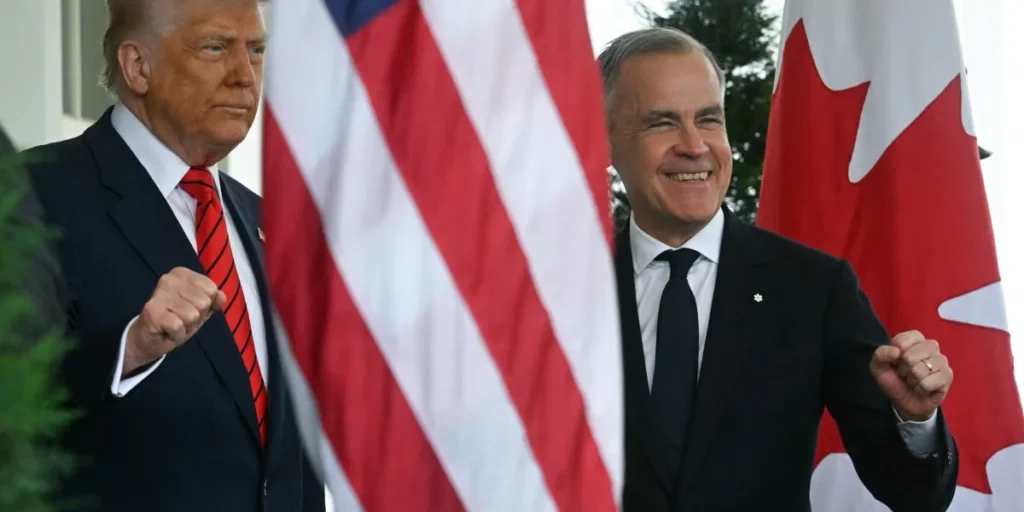
Canada Joins EU Defense Fund to Boost Military Procurement and Innovation
In a significant move to strengthen its defense capabilities and international partnerships, Canada has officially taken a step into a new era of military collaboration. The nation has joined the European Union’s defense research and development initiative, a strategic decision poised to reshape how it procures cutting-edge technology and fosters innovation within its armed forces. This partnership moves beyond traditional alliances, offering Canadian companies unprecedented access to a massive, collaborative European market while injecting fresh ideas and co-developed solutions into Canada’s defense ecosystem.
What is the European Defence Fund (EDF)?
At its core, the European Defence Fund (EDF) is a flagship EU program designed to foster cooperation and reduce duplication in defense spending across member states. Launched in 2021, it pools resources from participating nations to finance collaborative defense research and the development of prototype equipment.
The fund operates on two main tracks:
- Research: Funding for early-stage studies and technology exploration to push the boundaries of defense capabilities.
- Development: Substantial co-financing for the design, testing, and prototyping of new defense products and technologies, from complex naval systems to advanced cyber tools and next-generation soldier equipment.
For the EU, the goal is clear: to build a more integrated, innovative, and self-reliant European defense technological and industrial base. By opening its doors to close allies like Canada, the EU gains access to specialized expertise and deepens strategic ties with a key NATO partner.
Why Canada’s Participation is a Strategic Game-Changer
Canada’s decision to associate with the EDF is not merely a diplomatic formality; it’s a calculated strategic play with multiple layers of benefit.
Unlocking Access to Billions in Co-Funding
The most immediate advantage is financial. The EDF has a budget of nearly €8 billion for the 2021-2027 period. By contributing to the fund, Canadian companies, research institutes, and universities become eligible to compete for these grants. This provides a powerful lever to de-risk innovation, allowing Canadian firms to undertake ambitious, high-tech defense projects they might not be able to finance alone. It effectively turns European public funding into a catalyst for Canadian defense R&D.
Driving Innovation and Technological Sovereignty
For a mid-sized power, maintaining a technological edge across the full spectrum of modern warfare is a monumental challenge. The EDF provides a direct pipeline to Europe’s brightest minds and most advanced research consortia. Canadian participants will work shoulder-to-shoulder with leading European counterparts on projects in critical areas like:
- Artificial Intelligence and autonomous systems
- Cybersecurity and secure communications
- Space-based surveillance and earth observation
- Advanced materials and propulsion
- Naval, air, and ground vehicle modernization
This collaborative environment accelerates learning, sparks new ideas, and helps Canada build and retain sovereign expertise in domains that are crucial for future security.
Supercharging Canadian Industry and Exports
Participation is a powerful industrial policy tool. Winning EDF contracts validates Canadian technology on a world stage and integrates domestic companies into European supply chains. The prototype developed through an EDF grant isn’t just a one-off; it’s a market-ready product that can be sold to multiple partner nations. This gives Canadian defense exporters a formidable advantage, opening the door to a massive, consolidated European market that has historically been difficult to penetrate.
Navigating the Path Forward: Opportunities and Considerations
While the opportunities are vast, successful participation requires a proactive and strategic approach from both government and industry.
How Canadian Entities Can Get Involved
The process is competitive and project-based. Canadian companies, particularly small and medium-sized enterprises (SMEs) with niche expertise, should:
- Monitor EDF annual work programs: These documents outline the specific themes and topics the fund will finance each year.
- Build European Consortia: Success requires partnership. Canadian firms must actively network and position themselves as valuable contributors to European-led teams.
- Leverage Government Support: Global Affairs Canada and the Department of National Defence will play key roles in guiding industry and facilitating connections.
Aligning with National Priorities
The Canadian government will need to ensure that its contributions and project pursuits align with the core objectives outlined in its own defence policy, Strong, Secure, Engaged. This means strategically targeting EDF calls for proposals that dovetail with Canadian capability gaps, such as:
- Modernizing the North American Aerospace Defense Command (NORAD)
- Enhancing Arctic domain awareness
- Strengthening cyber and space capabilities
- Advancing the capabilities of the Canadian Special Operations Forces Command
This focus ensures that the taxpayer funds invested into the EDF yield direct, tangible benefits for the Canadian Armed Forces.
A Stronger Transatlantic Bond
Beyond economics and technology, this move carries profound geopolitical weight. At a time of rising global instability and authoritarian challenges, deepening defense industrial integration with Europe sends a powerful message of solidarity. It reinforces Canada’s commitment to the NATO alliance and provides a concrete, project-driven framework for transatlantic cooperation. It signals that Canada is not just a consumer of security but an active contributor and innovator within the Western defense community.
Conclusion: A Forward-Looking Investment in Security
Canada’s association with the European Defence Fund is a forward-looking and strategic investment. It recognizes that in the 21st century, security is increasingly defined by technological advantage and the ability to innovate rapidly alongside trusted partners. By plugging into the EDF, Canada is not writing a blank check to Europe; it is purchasing a seat at the table where the future of defense technology is being built.
The potential payoff is substantial: a more innovative domestic defense sector, a stronger export footprint, a technologically advanced military, and a more resilient transatlantic alliance. For Canadian innovators and the nation’s security alike, this new chapter in defense cooperation is poised to deliver significant returns for decades to come.