
Canada’s Winter of Extremes: Unpacking a Season of Record Snowfall and Bizarre Weather
This past winter has rewritten the rulebook on what a Canadian winter can be. From coast to coast to coast, the season unfolded not as a monolithic period of deep freeze, but as a paradoxical tapestry of extremes. Communities were left grappling with conditions that veered from record-smashing snow dumps to unsettling mild spells, creating a narrative of climatic whiplash that has scientists, citizens, and industries alike asking: Is this the new face of winter?
Gone are the days of predictable seasonal patterns. In their place, we find a story of stark contrasts, where neighboring provinces experienced diametrically opposite winters. This season wasn’t just unusual; it served as a potent, real-time case study in climate volatility, demonstrating that the effects of a warming planet are complex, counterintuitive, and deeply impactful.
The Anatomy of Snowfall Whiplash
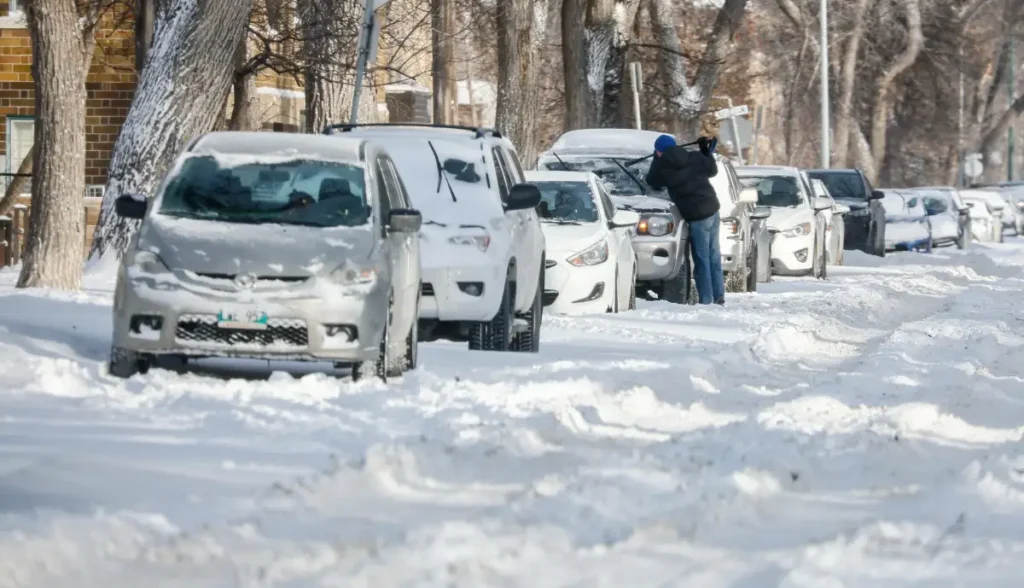
The most immediate and dramatic story of the winter was the sheer volume of snow that fell in specific regions. Parts of British Columbia and the Prairies found themselves under historic accumulations, shattering records that had stood for generations. Towns were buried, infrastructure was tested, and the daily rhythm of life was dictated by the constant need to dig out.
However, this wasn’t the steady, persistent snowfall of lore. The season was characterized by what meteorologists are calling “snowfall whiplash.” This phenomenon describes a jarring cycle where:
- Intense, short-duration storms would deposit feet of snow.
- These dramatic dumps were swiftly followed by unseasonably warm temperatures and even rainfall.
- The subsequent rapid melt created slush, ice, and flood risks, only to be followed by another deep freeze or another major storm.
This cycle of accumulation and abrupt melt prevented a stable snowpack from forming in many areas, leading to hazardous ice layers and challenging the resilience of ecosystems and urban systems alike.
A Nation Divided: Snow Deluge vs. Snow Drought
While one set of headlines proclaimed a record-breaking snowy winter, another, equally true narrative was unfolding simultaneously. The true strangeness of the season was its extreme geographical patchwork.
The Great Eastern Snow Drought
As western towns dug out from historic depths, major population centers in eastern Canada experienced a pronounced and palpable snow drought. Cities that typically rely on a steady blanket of snow from December through March saw significantly below-average accumulation. The result was green Christmases, a reliance on artificial snow for ski hills and winter festivals, and a general feeling of a season deferred. This disparity wasn’t just anecdotal; it represented a dramatic deviation from long-term climate norms for the region.
The Western Snow Wall
In stark contrast, the mountain ranges and interior regions of British Columbia and Alberta became the epicenter of winter’s fury. Atmospheric rivers, coupled with just-cold-enough temperatures, lined up perfectly to deliver one blockbuster storm after another. The impacts were profound, from elevating avalanche risk to disrupting transportation networks and boosting snow-dependent tourism in fortunate locations.
The Climatic Drivers Behind the Chaos
What created this bizarre scenario of simultaneous feast and famine? Meteorologists point to a complex interaction of global climate patterns.
- The El Niño Wildcard: This winter was influenced by an El Niño event, which typically brings warmer and drier conditions to much of Canada. However, this year’s El Niño interacted in unexpected ways with other climatic forces, contributing to the erratic jet stream patterns that delivered storms to some areas while starving others.
- The Volatile Jet Stream: A key player was a wavy, mercurial jet stream. Instead of flowing steadily west to east, it developed deep troughs and powerful ridges. These patterns acted like atmospheric barriers, locking extreme weather—both cold and warm—over specific regions for extended periods.
- The Overarching Influence of Climate Change: While no single weather event can be attributed solely to climate change, the increasing volatility fits a predicted pattern. A warmer atmosphere holds more moisture, fueling more intense precipitation events when conditions are right—whether that precipitation falls as rain or snow. Simultaneously, rising baseline temperatures make sustained cold and consistent snow cover less reliable, especially at the start and end of the season.
This winter exemplifies that climate change is not merely about uniform warming; it is about an increase in weather extremes and a breakdown of historical predictability.
The Far-Reaching Impacts of an Unpredictable Winter
The consequences of such a disjointed season ripple far beyond casual conversations about the weather. They touch the core of the economy, environment, and community planning.
Economic and Social Disparities
The economic impact was a tale of two realities. Ski resorts and tourism operators in snow-rich zones like the interior of B.C. often thrived, while those in the snow-starved east faced shortened seasons and increased costs for snowmaking. Cities saved on snow removal budgets only to potentially spend more on managing freeze-thaw damage to roads. The agricultural sector now faces uncertainty regarding spring soil moisture levels after an inconsistent winter snowpack.
Environmental and Ecological Stress
Ecosystems adapted to a stable seasonal cycle are stressed by such volatility. The rapid freeze-thaw cycles create concrete-like ice layers on the ground (known as ice crust), which can prevent animals like deer and caribou from accessing food beneath the snow. Erratic snowmelt patterns can lead to earlier spring runoff, affecting water availability later in the summer and disrupting aquatic habitats.
A Crucial Lesson in Resilience and Adaptation
Perhaps the most significant takeaway is the urgent need for enhanced climate adaptation. This winter reinforces that we can no longer plan based solely on historical weather data.
- Infrastructure must be built to handle both heavier precipitation loads and more frequent freeze-thaw cycles.
- Water management strategies must evolve to account for less predictable snowpack accumulation and melt timing, which is critical for drinking water, agriculture, and hydroelectric power.
- Emergency preparedness needs to consider a wider range of scenarios, from paralyzing snowstorms to winter rainfall and flooding.
Looking Ahead: Embracing the New Normal of Volatility
Canada’s winter of extremes is more than a series of strange weather reports. It is a clear signal and a compelling preview. It reminds us that the future of winter in a changing climate is not necessarily one without snow, but one of increased uncertainty, dramatic contrasts, and profound disruption.
As we move forward, the challenge will be to translate the lessons of this paradoxical season into action. By investing in resilient infrastructure, refining our environmental management, and acknowledging the new era of climatic whiplash, communities across Canada can begin to prepare for the complex and unpredictable winters that lie ahead. The story of this winter is not just about the records that were broken, but about the old assumptions that were shattered alongside them.

