How a Canadian Whisky Distillery Thrived After U.S. Liquor Bans
In the world of international trade, disputes often create headlines about losses, tariffs, and shortages. But sometimes, they write a different kind of story—one of unexpected opportunity and homegrown triumph. A recent trade disagreement that led several Canadian provinces to pull popular American spirits from their shelves did just that. Rather than simply creating a void, this shift in the market ignited a remarkable boom for a Canadian whisky distillery, turning a trade challenge into a masterclass in resilience and strategic growth.
This isn’t just a tale of a brand filling an empty slot. It’s a narrative about how shifting consumer behavior, a commitment to quality, and strategic positioning can combine to create immense success, proving that local industries can not only survive but thrive when the global landscape changes.
The Spark: A Trade Dispute Reshapes the Shelves
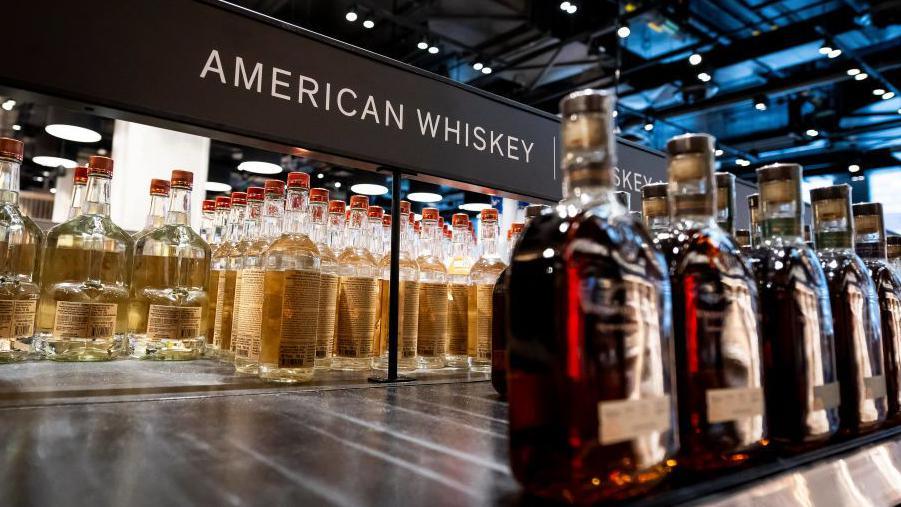
The catalyst for this story was a trade disagreement between Canada and the United States, focusing on longstanding issues in the dairy and spirits sectors. In response, liquor authorities in provinces like Alberta and Ontario delisted a selection of American-made products, including some well-known bourbons and spirits.
The immediate expectation was one of consumer frustration and market shortage. For years, these American brands had enjoyed strong loyalty and shelf presence. Yet, this regulatory move didn’t just remove products; it actively reshaped the consumer’s field of vision. With familiar labels suddenly absent, Canadian drinkers were presented with a new array of choices, many of them domestic. This moment of disruption became a critical inflection point, forcing a rediscovery of the local spirits aisle.
A Perfect Storm of Readiness and Quality
While the market shifted, one distillery was uniquely prepared to capitalize on the moment. This wasn’t a case of luck, but of preparation meeting opportunity. The distillery had invested years in honing a craft-focused approach, emphasizing:
- Locally Sourced Ingredients: From grains to water, a commitment to Canadian agriculture provided a authentic story and a distinct terroir.
- Innovative Aging Processes: Experimenting with unique casks and climate-influenced maturation created flavor profiles that stood out from mass-produced competitors.
- A Strong Narrative: They built a brand around craftsmanship, heritage, and authenticity—values that resonate deeply with modern consumers.
When the American products vanished, this distillery’s offerings were no longer just “other options”; they became the premium, intentional choice. Consumers, initially curious, were quickly converted by the quality in the bottle.
Beyond Substitution: Building Lasting Loyalty
The initial spike in sales could have been temporary—a simple case of buying what’s available. However, the distillery’s growth evolved into something more substantial. They didn’t just gain one-time purchasers; they won over advocates. Here’s how:
- Discovery Led to Preference: Many consumers tried the Canadian whisky out of necessity but continued buying it out of genuine preference. They discovered complexities and character they enjoyed more than the familiar imported brands.
- National Visibility: The story of a Canadian distillery thriving amid a trade dispute became a point of national pride, earning media coverage and word-of-mouth buzz that money can’t buy.
- Capitalizing on the Momentum: The distillery smartly scaled operations, expanded distribution, and doubled down on marketing their “crafted here” story, ensuring they retained the new customers they attracted.
The result was what the company described as “immense growth”—a dramatic, sustained increase in sales and brand recognition that transformed them from a respected craft player into a major national contender.
Key Takeaways for Business and Consumers
This distillery’s success story is a powerful case study with lessons that extend far beyond the spirits industry.
For Businesses: The Power of Agility and Authenticity
1. Build for Resilience, Not Just Stability: The distillery’s deep-rooted commitment to its own supply chain and processes meant it wasn’t vulnerable to the same international pressures. Investing in your unique value proposition is the best insulation against market shocks.
2. Seize the Narrative: In a moment of change, they became the positive local story. Businesses must be ready to communicate their value clearly when consumer attention shifts.
3. Quality is the Ultimate Strategy: None of this would have worked if the product wasn’t exceptional. The trade dispute opened the door, but the whisky’s quality made people stay.
For Consumers: Rediscovering Local Treasures
This episode serves as a powerful reminder to look in our own backyards. Often, global brands dominate through marketing and distribution, overshadowing exceptional local products. A change in availability can be a blessing in disguise, prompting a discovery that leads to a better, more meaningful choice. Supporting local producers also builds community economic resilience and reduces environmental footprints.
A Toast to Opportunity in a Changed Landscape
The narrative that began with a trade barrier concludes with a celebration of local ingenuity. This Canadian distillery’s journey illustrates that market disruptions are not inherently negative. They are neutral events that rewrite the rules of competition. For those who are prepared—with a superior product, a compelling story, and operational agility—these moments can be the launchpad for unprecedented growth.
The final lesson is both simple and profound: Don’t just adapt to the changing landscape; learn to thrive within it. While trade diplomats continue their discussions, this distillery, and the consumers who support it, have already moved forward. They’ve raised a glass to a new reality, one where local craftsmanship, given the chance, can not only compete but spectacularly win. Their success is a toast to the idea that sometimes, the best way forward is to look closer to home.