Life in Cuba: A Firsthand Account of Exhaustion and Resilience
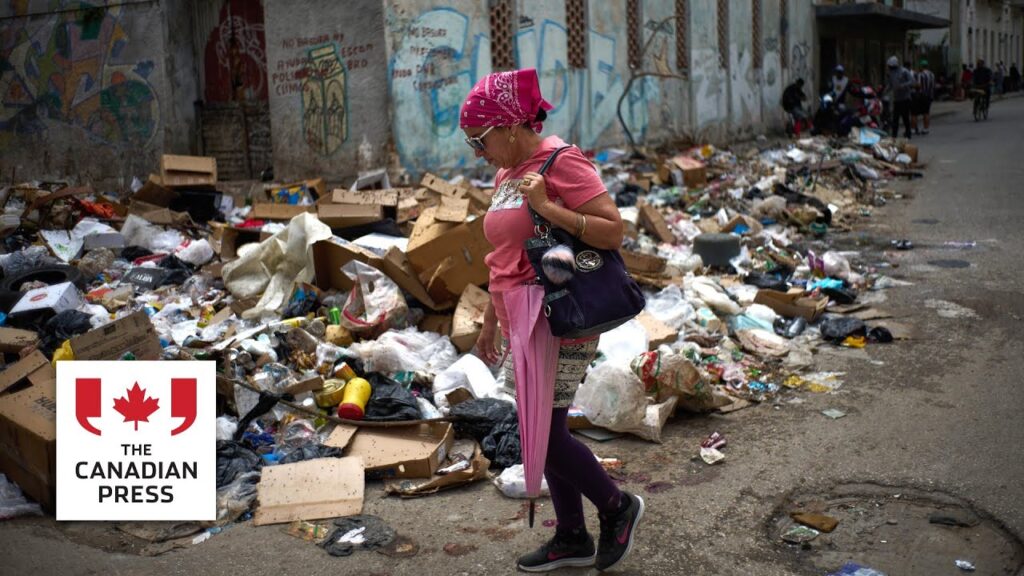
The image of Cuba for many is one of vintage cars, vibrant music, and sun-drenched beaches. But for the Canadians and their families living and working on the island as part of humanitarian missions, the reality is a daily test of endurance, painted in shades of profound scarcity and unwavering human spirit. Recent accounts from those on the ground peel back the postcard-perfect veneer to reveal a nation and its people grappling with a deep, systemic crisis that touches every aspect of life.
The Relentless Reality: More Than Just Shortages
Forget quick grocery runs. In Cuba today, acquiring basic necessities is a full-time job of strategizing and waiting. The shortages are not occasional inconveniences; they are a constant, oppressive presence.
A Daily Struggle for Essentials
The mission members describe scenes that are hard for outsiders to fathom:
- Lines stretching for blocks for a single loaf of bread or a piece of chicken, with no guarantee of success after hours of waiting.
- Pharmacies with empty shelves, where even basic over-the-counter medicines like aspirin or allergy pills are precious commodities.
- The haunting reality of “apagones” – prolonged, unpredictable blackouts that can last 12 hours or more, crippling daily life, spoiling food, and plunging homes into stifling darkness and heat.
This isn’t just about discomfort. It’s about a fundamental breakdown in infrastructure that erodes the ability to plan, to provide, and to find respite. “You spend all your energy just trying to secure the basics for your family,” one Canadian shared. “By the time you’re done, there’s nothing left. People are tired. Not just physically, but in their souls.”
The Human Face of Resilience
Amidst this exhausting landscape, the most striking feature is not the collapse, but the perseverance. The Canadians on this humanitarian mission are witness to an extraordinary display of Cuban resilience.
Ingenuity in the Face of Scarcity
Cubans have become masters of invention, or “resolver” (to resolve). This is a national ethos of making do.
- Mechanics keep 70-year-old American cars running with handmade parts and sheer ingenuity.
- Home cooks create gourmet meals from the most limited ingredients, a testament to cultural pride and creativity.
- Neighbors share the little they have, creating tight-knit communities of mutual support that are the true social safety net.
This resilience is deeply admired by the mission workers. “They face challenges we can barely imagine with a smile and a determination that is humbling,” one noted. The contrast between the systemic failure and the individual strength of character is perhaps the most defining paradox of life in Cuba today.
Beyond the Surface: Understanding the “Why”
To view this situation merely as a series of shortages is to miss the point. The crisis is multi-layered, a perfect storm of external pressures and internal complexities.
A Confluence of Crises
The U.S. embargo, tightened in recent years, remains a significant and inescapable obstacle, restricting access to credit, medical supplies, and spare parts. However, those on the ground observe that the problems run deeper. They point to:
- Inefficient state economic models that struggle with production and distribution.
- The devastating impact of the COVID-19 pandemic, which obliterated the vital tourism industry and sent remittances from families abroad plummeting.
- A currency unification process that, while necessary, triggered rampant inflation, wiping out savings and making any available goods unaffordable for many.
The result is an economy where official salaries are almost symbolic, and the black market often becomes the only means of survival, further complicating the moral and practical landscape.
The Emotional Toll on Aid Workers
Living within this environment while on a mission to help takes a profound emotional toll. The humanitarian workers interviewed describe a rollercoaster of empathy, frustration, and guilt.
The Weight of Witnessing
- Compassion Fatigue: Constantly being surrounded by acute need, while having limited personal capacity to solve the macro-problems, leads to a deep emotional exhaustion.
- Survivor’s Guilt: Having access to resources—even limited ones—that local friends and colleagues do not can create a persistent sense of guilt.
- The Isolation of Crisis: While connected to the community, they often cannot fully share the burden, leading to a unique form of loneliness.
“You want to fix everything, but you can’t,” one Canadian explained. “You learn to celebrate the small victories—getting a child the antibiotics they need, helping a local nurse with supplies—but you go to bed haunted by the scale of what’s left undone.”
A Glimpse of Hope and a Call for Nuance
Despite the overwhelming challenges, sparks of hope persist. They are found in the laughter of children playing in the street, the unwavering dedication of Cuban doctors and teachers who work for pennies, and the vibrant cultural life that refuses to be extinguished. The diaspora sends packages, artists find ways to express the struggle, and communities continue to support one another.
This firsthand account from the humanitarian mission is not a condemnation of Cuba, but a plea for nuanced understanding. It moves beyond political rhetoric to show the human cost of prolonged crisis. It reveals a people who are, undoubtedly, exhausted—worn down by a daily grind that would break many. Yet, within that exhaustion lies a formidable resilience, a culture of care, and a proud spirit that continues to fight for normalcy.
For the Canadians living there, their mission has become more than a job. It is a life-altering lesson in gratitude, a masterclass in resilience, and a sobering reminder of the fragile threads that hold daily life together. Their story is a bridge, connecting the outside world to the complex, exhausting, and profoundly human reality of life in Cuba today.