Major Cancun Airport Delays Disrupt Delta, American, and JetBlue Flights
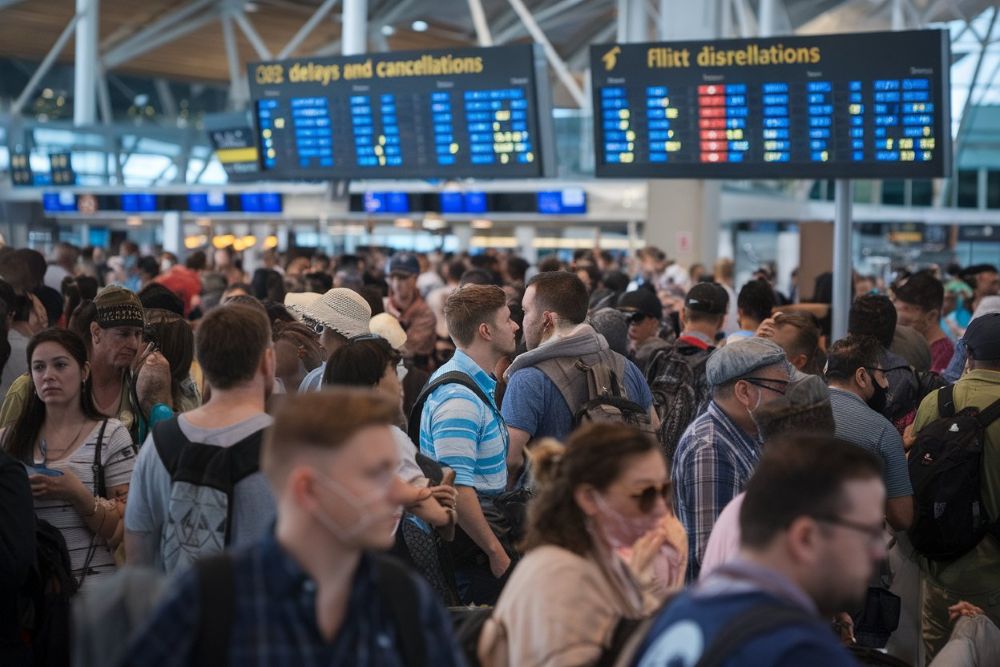
A significant wave of flight disruptions swept through Cancun International Airport (CUN) this week, leaving hundreds of travelers bound for the United States and Canada stranded or facing lengthy delays. What began as a challenging travel day escalated into a widespread operational hurdle, impacting major carriers including Delta Air Lines, American Airlines, JetBlue, Spirit, and Aeromexico. In total, the airport grappled with 189 flight delays and at least 4 new cancellations, casting a shadow over what is typically one of the busiest and most efficient tourist gateways in the Caribbean.
The cascading delays created a ripple effect, disrupting carefully planned vacations and business trips. For many, the vibrant beaches and resorts of the Mexican Caribbean felt suddenly further away as airport terminals filled with frustrated passengers seeking information and alternative routes home.
Understanding the Scale of the Cancun Airport Disruption
Cancun International Airport is a critical hub for North American travel, with a constant flow of flights connecting the popular resort destination to cities across the continent. The high volume makes any systemic issue immediately impactful. On this particular day, the disruption was substantial:
- Total Delays: 189 flights experienced delays, ranging from a couple of hours to extensive waits stretching into the next day.
- New Cancellations: At least 4 flights were outright canceled, forcing passengers into rebooking queues and scrambling for accommodation.
- Airline Impact: The disruption was not isolated to one carrier. Both U.S. legacy airlines and low-cost carriers were affected, indicating a broader issue at the airport or within the regional air traffic system.
This scale of disruption suggests more than just isolated thunderstorms or minor technical glitches. While official statements from the airport cited “operational challenges,” industry observers point to a combination of factors that can converge at a high-capacity airport like Cancun.
Which Airlines and Travelers Were Most Affected?
The flight delays at Cancun Airport created a multinational travel headache, primarily impacting routes to and from the United States and Canada. No single airline was spared, highlighting the widespread nature of the event.
U.S. Carriers Face the Brunt of the Delays
American Airlines, a dominant player in the U.S.-Mexico market, saw numerous departures and arrivals postponed. Delta Air Lines and JetBlue, both with robust schedules to Cancun from hubs like Atlanta, New York, and Boston, also reported significant disruptions. Ultra-low-cost carrier Spirit Airlines, which operates a high frequency of flights to Cancun, was similarly caught in the delay web, affecting budget-conscious travelers.
Mexican and Canadian Operations Disrupted
Mexico’s flagship carrier, Aeromexico, also faced delays on its domestic and international routes from Cancun. Furthermore, travelers heading to Canadian cities like Toronto, Montreal, and Vancouver on various airlines found their plans upended, extending the disruption’s reach across North America.
Potential Causes Behind the Widespread Flight Delays
While specific official causes for this incident are often summarized broadly, several recurring issues can lead to such widespread delays at a major airport like Cancun:
- Air Traffic Control Constraints: High volume, staffing challenges, or procedural slowdowns in the Mexican airspace can create a bottleneck, holding departing aircraft on the ground.
- Severe Weather Ripple Effects: While the weather might have been clear in Cancun, storms along key flight paths (especially in the southeastern U.S.) can cause ground stops or flow control, preventing flights from departing.
- Technical or Infrastructure Issues: Problems with airport systems, runway maintenance, or even a single disabled aircraft can reduce operational capacity dramatically.
- Crew Scheduling “Timing Out”: Initial delays can cause flight crews to reach their legal maximum duty hours. If a replacement crew isn’t available, the flight can be further delayed or canceled.
The interconnected nature of the aviation network means a problem in one region can quickly propagate. A delayed aircraft arriving from a disrupted hub, for instance, becomes the late departing aircraft for its next flight, creating a domino effect throughout the day.
Traveler Advice: How to Navigate Major Airport Disruptions
For travelers caught in similar situations, whether in Cancun or elsewhere, proactive steps can help mitigate stress and find a quicker resolution.
Immediate Actions at the Airport
Do not immediately join the longest customer service line. First, use your airline’s mobile app. Airlines often push rebooking options and updates fastest through their apps. If you must wait in line, call the airline’s international reservation number simultaneously—you may get through on the phone first. Also, document everything, including delay notices and conversations with agents.
Know Your Rights and Rebooking Options
Understand the policies of your airline. While U.S. and Canadian regulations don’t mandate compensation for delays caused by operational issues like air traffic control, airlines are typically required to provide rebooking or a refund if they cancel a flight. When speaking with an agent, be polite but firm, and ask about available options on partner airlines or through alternate nearby airports like Cozumel (CZM) or Merida (MID).
The Bigger Picture for Cancun and Air Travel Reliability
This event serves as a reminder of the fragility of modern air travel, especially at peak tourist destinations. Cancun International Airport has undergone massive expansions to handle over 30 million passengers annually, but such growth can strain systems during irregular operations.
The incident underscores the importance of:
- Robust Contingency Planning: Airlines and airports need resilient recovery plans to reset operations after disruptions.
- Transparent Communication: Timely, accurate information is the most valuable commodity for stranded passengers.
- Traveler Preparedness: This includes purchasing travel insurance with delay coverage, packing essentials in carry-on bags, and building flexibility into itineraries where possible.
Looking Ahead: Smooth Skies or More Turbulence?
For the millions who choose Cancun as their vacation destination each year, air travel reliability is paramount. While a single day of significant delays is an exception rather than the rule, it highlights the complex ecosystem that must function perfectly for seamless travel.
Airlines and airport authorities will likely review this incident to identify specific points of failure. In the meantime, travelers are advised to stay informed, use technology to their advantage, and approach potential disruptions with a plan. The goal for everyone remains the same: to ensure that the journey to and from paradise is as smooth as the tranquil Caribbean waters themselves.