Reevaluating César Chavez’s Legacy in the Modern Labor Movement
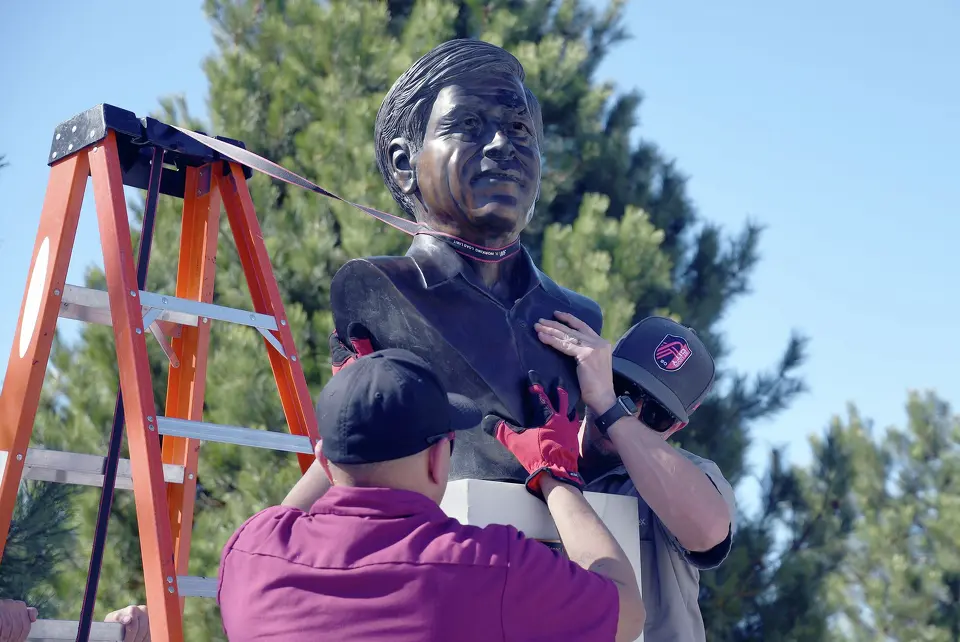
For decades, the name César Chavez has been synonymous with the fight for farmworker justice. His image, alongside Dolores Huerta and the United Farm Workers (UFW), represents a monumental chapter in American labor history—a story of nonviolent protest, cultural pride, and hard-won victories like the landmark California Agricultural Labor Relations Act. Yet, as the modern labor movement evolves to confront gig economy exploitation, climate-driven displacement, and renewed anti-union sentiment, a complex and sometimes painful question is emerging among activists and scholars: What do we do with Chavez’s legacy now?
The Pillars of a Hard-Fought Legacy
To understand the current reevaluation, one must first acknowledge the undeniable pillars of Chavez’s work. In the 1960s and 70s, he helped bring national attention to the brutal conditions of migrant farmworkers, a largely Latino workforce that had been systematically excluded from federal labor protections.
Key strategies that defined his movement include:
- The powerful use of nonviolent civil disobedience, inspired by Mahatma Gandhi and Martin Luther King Jr.
- The monumental Delano grape strike and boycott, which mobilized consumers nationwide.
- The creation of a collective identity centered on La Causa (The Cause) and the black eagle flag.
- Successful negotiation of hundreds of union contracts that improved wages, banned harmful pesticides like DDT, and established field sanitation standards.
These achievements were not just economic; they were profoundly cultural and political, empowering a marginalized community and proving that collective action could bend the arc of history.
The Cracks in the Monument: Internal Critiques and Historical Reckoning
However, the saintly narrative that often surrounds Chavez has begun to fracture under historical scrutiny. The reevaluation centers on several contentious aspects of his leadership and the UFW’s trajectory.
Authoritarian Leadership and Internal Purges
Former organizers and members have described an increasingly top-down, paranoid leadership style in the UFW’s later years. Chavez, fearing infiltration and dissent, initiated what some have called “the purges” in the late 1970s, forcing out dedicated volunteers and staff who questioned his direction. This internal turmoil damaged morale and organizational capacity just as the agricultural industry was mounting a powerful counter-offensive.
The “Illegal” Scare and Undocumented Workers
Perhaps the most damaging critique for his modern image is Chavez’s complicated stance on undocumented immigrants. In the 1970s, the UFW at times cooperated with the Border Patrol and used rhetoric framing undocumented workers as “illegals” and “strikebreakers” who undermined union efforts. While this was a strategic response to growers using undocumented labor to break strikes, it stands in stark, uncomfortable contrast to today’s labor movement, which largely views immigration status as a point of vulnerability to be protected, not a threat to be policed.
The Decline of the UFW
By the 1980s, the UFW’s power had significantly waned. Union contracts evaporated, and membership plummeted. Critics argue that Chavez’s focus on maintaining control and on symbolic campaigns, over the gritty work of member-driven organizing, left the union ill-equipped to survive aggressive anti-union pushes from agribusiness.
Carrying the Legacy Forward: Inspiration, Not Infallibility
So, where does this leave modern activists? The conversation is shifting from uncritical celebration to a more nuanced engagement—seeing Chavez not as a flawless icon, but as a brilliant yet flawed strategist whose story offers both powerful lessons and serious cautions.
What the Modern Movement Can Still Learn
- The Power of Moral Narrative: Chavez excelled at framing labor strife as a universal struggle for dignity. This remains essential for building public support.
- Consumer and Community Alliances: The grape boycott was a masterclass in building broad-based coalitions beyond the picket line.
- Cultural Organizing: Rooting the movement in Mexican-American identity, spirituality, and art created deep bonds and resilience.
Where the Legacy Must Be Reimagined
- Inclusive Solidarity: Today’s movements, from Fight for $15 to warehouse organizing, actively strive to include undocumented workers, seeing their protection as central to lifting standards for all.
- Democratic Structures: Modern unions and worker centers emphasize rank-and-file leadership and transparent governance to avoid the pitfalls of centralized control.
- Beyond the Union Model: For gig, freelance, and migrant workers, new forms of collective bargaining and worker associations are being explored, adapting the spirit of Chavez’s collectivism to new economic realities.
Conclusion: A Living, Breathing History
The current questioning of César Chavez’s legacy is not an attempt to erase him from history. Rather, it is a sign that his history is alive and still relevant. The most profound respect for a leader is to engage critically with their full story—the soaring victories and the profound mistakes.
The ultimate lesson may be that no single leader, no matter how visionary, holds a permanent blueprint for justice. The farmworkers of today, facing climate heat, wage theft, and persistent poverty, don’t need a perfect saint to worship. They need a complex history to learn from. They can draw strength from Chavez’s early courage and innovative tactics while consciously building movements that are more inclusive, more democratic, and more adaptable than the one he ultimately led.
In reevaluating Chavez, the labor movement isn’t abandoning its past; it is doing the hard work of growing up, ensuring that the fight for dignity in the fields and beyond is carried forward by many hands, with clear eyes, and an unwavering commitment to solidarity that leaves no worker behind.