How GLP-1 Drugs Like Ozempic Are Reshaping the Fast Food Industry
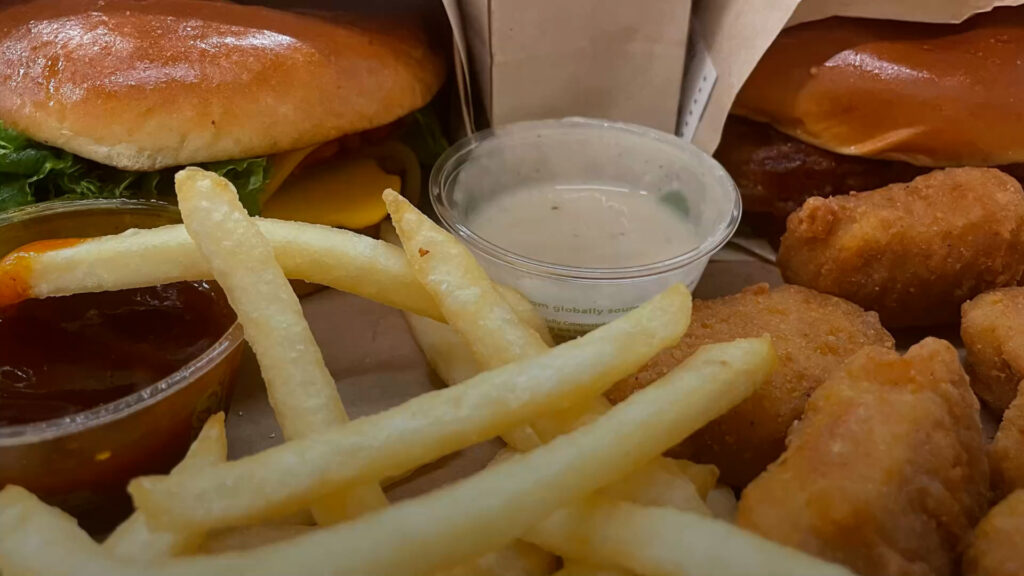
For decades, the fast-food industry has built its empire on a simple, powerful premise: craveability. The promise of a quick, satisfying, and often indulgent meal has driven growth, shaped menus, and defined marketing. But a new class of medications is emerging as an unlikely disruptor, forcing a seismic shift in how these giants view their customers and their products. GLP-1 receptor agonists, like Ozempic and Wegovy, are not just changing individual health outcomes; they are beginning to reshape the very foundation of the fast-food business.
The Appetite Suppressant Effect: A Direct Hit on Core Sales
At the heart of this disruption is the primary mechanism of these drugs. GLP-1 medications work by mimicking a hormone that regulates blood sugar and, crucially, appetite. Users often report significantly reduced food cravings, feeling full faster, and eating smaller portions. For an industry whose revenue is directly tied to volume—more fries, larger sodas, extra nuggets—this presents a fundamental challenge.
When a substantial and growing segment of the population has a medically diminished desire to “supersize,” the traditional fast-food playbook becomes less effective. Analysts are already noting potential impacts. Some restaurant chains have cited these drugs as a minor headwind in earnings calls, while others are quietly studying the long-term implications. The concern is clear: if the average order value declines because customers are ordering less, profits will inevitably feel the squeeze.
From Value Meals to Value-Added Nutrition
In response, forward-thinking chains are not sitting idle. The strategic pivot is moving away from pure calorie volume and toward what could be called “nutritional density” or “macro-conscious” eating. The industry’s adaptation is unfolding on several fronts:
The “Boom or Bust” Scenario for Different Sectors
The impact won’t be uniform across the entire Quick Service Restaurant (QSR) landscape. Analysts predict a potential divergence in fortunes:
Potential Winners:
Facing Headwinds:
The Beverage Battle: A Special Focus on Soda
The soda fountain, a profit powerhouse for fast-food chains, is directly in the crosshairs. GLP-1 drugs often reduce cravings for sugary drinks. This accelerates an existing trend toward zero-sugar options but puts immense pressure on the classic, high-margin soda sale. The race is on to develop and promote alternative beverages—sparkling waters, enhanced waters, unsweetened iced teas, and low-sugar energy drinks—that can maintain beverage attachment rates.
Long-Term Strategy: Beyond the Plate
The smartest players are looking beyond mere menu tweaks. They see this shift as part of a broader cultural movement toward health and wellness that was already underway. Their long-term strategies may include:
Conclusion: An Irreversible Shift, Not a Fad
The rise of GLP-1 drugs is more than a passing health fad; it is a pharmacological innovation with profound societal and commercial ripple effects. While it’s unlikely that everyone will be on these medications, their popularity has crystallized a powerful consumer trend toward mindful consumption that was already gaining steam.
The fast-food industry, a master of adaptation, is now facing one of its most significant tests. The winners in this new era won’t just be those who sell the most burgers, but those who successfully pivot to meet the evolving needs of a population increasingly focused on how food makes them feel. The race is on to redefine “fast food” for a new age of appetite, and the menu of the future is being written today.