
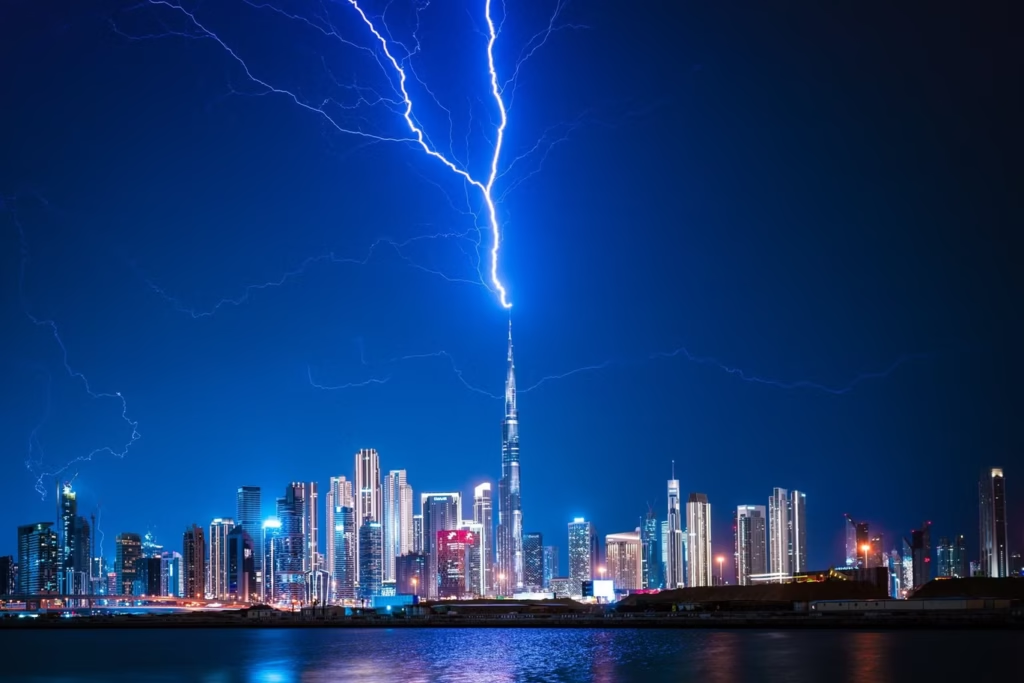
Dubai’s Epic Floods and Lightning Strike on the Burj Khalifa: A City Tested by Nature
The gleaming metropolis of Dubai, a symbol of human ambition and architectural marvel, was recently humbled by the raw power of nature. In an extraordinary weather event, the United Arab Emirates was battered by unprecedented storms, transforming its desert highways into rivers and its iconic skyline into a dramatic stage for a celestial light show. The world watched as the tallest building on Earth, the Burj Khalifa, was repeatedly struck by lightning, while torrential rains unleashed catastrophic flooding across the city. This event was not just a news story; it was a stark reminder of our planet’s changing climate and the vulnerability of even the most advanced urban landscapes.
A Desert Submerged: Unprecedented Rainfall Paralyzes Dubai
Dubai is a city engineered for sunshine, with an average annual rainfall of just about 3.7 inches. In a single, furious 24-hour period, it received over a year and a half’s worth of rain. The result was immediate and overwhelming. The city’s drainage infrastructure, designed for sporadic, light showers, was completely incapable of handling the deluge.
The scenes were surreal and disruptive:
- Major highways like Sheikh Zayed Road were transformed into stagnant canals, stranding countless vehicles and bringing traffic to a standstill.
- Dubai International Airport, one of the world’s busiest aviation hubs, faced severe operational disruptions, with flights canceled, delayed, or diverted as runways flooded.
- Water cascaded into shopping malls, residential villas, and underground parking garages, causing significant property damage.
- Residents were forced to navigate flooded streets, with some resorting to using kayaks and inflatable rafts for transport in what were once arid urban canyons.
This flooding event highlights a critical challenge for arid-region megacities: climate resilience in the face of increasingly erratic and extreme weather patterns. Scientists have long warned that a warming atmosphere holds more moisture, leading to more intense precipitation events, even in regions historically defined by drought.
The Burj Khalifa and the Fury of the Skies
As the storm clouds gathered and unleashed their watery fury, they also put on a breathtaking, if terrifying, display of electrical power. The Burj Khalifa, stretching over 2,700 feet into the sky, is naturally the tallest lightning rod in the city. During the peak of the storm, the tower was hit not once, but multiple times by massive lightning bolts.
Videos and photographs circulated globally, showing forked tendrils of electricity snaking around the spire of the skyscraper, illuminating the dark, stormy sky with an eerie blue-white glow. It was a powerful visual metaphor: human engineering pierced by primal natural force.
Engineering Marvels Built for This Moment
While the spectacle was dramatic, the Burj Khalifa was never in real danger. The building was meticulously designed with such events in mind. Its lightning protection system is a sophisticated network that includes:
- A series of lightning rods at its pinnacle designed to attract strikes.
- A continuous conductive path of copper and aluminum running the entire height of the structure, safely channeling the immense electrical current.
- This path directs the energy deep into a grounding system in the foundation, where it is dissipated harmlessly into the earth.
This event served as the ultimate test of that system, and it performed exactly as intended, protecting the building’s integrity and its occupants. The real vulnerability was not in the sky, but on the ground.
Beyond the Spectacle: Causes and the Climate Change Question
The immediate meteorological cause of the storm was a low-pressure system that funneled in moist air from the Arabian Sea, creating a classic “cut-off low” that parked itself over the region. However, the unprecedented intensity of the rainfall has ignited a crucial conversation about the role of a warming climate.
While no single weather event can be directly attributed to climate change, the science is clear that such extreme precipitation events are becoming more probable and more severe. The atmosphere, warmed by greenhouse gas emissions, can hold about 7% more moisture for every 1°C of warming. When storm systems form, they now have a larger reservoir of water to draw from, leading to more intense downpours.
Furthermore, there is ongoing research into whether cloud seeding operations conducted in the region prior to the storms may have played a role in enhancing the rainfall. The UAE has a robust cloud seeding program aimed at enhancing water security. Experts are careful to note that while cloud seeding can potentially increase rainfall by 10-30% within suitable clouds, it cannot create storms from nothing. The primary driver was an exceptionally powerful natural weather system, potentially supercharged by a warmer climate.
Lessons from the Deluge: Resilience for a New Era
The floods in Dubai offer critical lessons for cities worldwide, but especially for those in arid and coastal regions experiencing rapid growth.
- Re-evaluating Infrastructure: Urban planning and drainage systems must be future-proofed for a new climate reality, not just historical weather patterns. This means investing in larger-capacity drainage, permeable surfaces, and sustainable urban drainage systems (SUDS) that can absorb and manage excess water.
- The Cost of Disruption: The economic impact of a paralyzed city is immense. From halted flights and business closures to damaged property and infrastructure repairs, the event underscores that investing in resilience is not an expense, but a necessity for economic continuity.
- Adapting to the Extremes: The event is a clear signal that the definition of “extreme weather” is changing. Cities like Dubai, celebrated for conquering the desert, must now also learn to manage the rare but devastating deluge.
Conclusion: A Powerful Reminder from the Desert
The images of the lightning-wreathed Burj Khalifa and the flooded superhighways of Dubai will linger long in the global consciousness. They tell a dual story of human triumph and vulnerability. On one hand, they showcase our ability to build structures that can defiantly withstand the direct strike of a lightning bolt. On the other, they reveal how quickly our meticulously ordered world can be upended by the forces of nature, forces that are being altered by our own actions.
This was more than a freak storm; it was a wake-up call written in water and light. As the world continues to urbanize and the climate continues to change, the experience of Dubai serves as a crucial case study. The path forward requires blending visionary engineering with humble respect for nature’s growing power, ensuring that the cities of tomorrow are not only taller and smarter, but also more resilient and adaptable than ever before.

