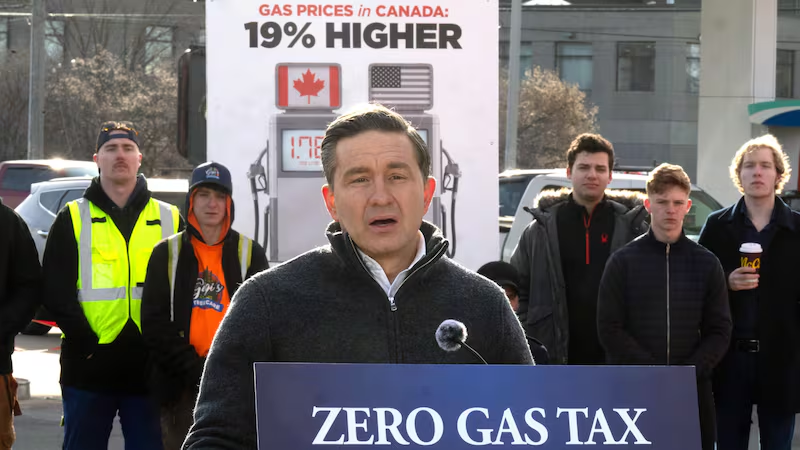
Federal Solutions to Rising Gas Prices in Canada
As Canadians watch the numbers climb at the gas pump, the financial strain on households and businesses becomes increasingly palpable. The issue of soaring fuel costs is a complex web of global markets, geopolitical tensions, and domestic policy. While the causes are often international, the pressure for relief is squarely on the federal government. This article explores the potential federal strategies and solutions being considered to address the burden of rising gas prices across Canada.
Understanding the Price Surge: A Global and Domestic Mix
Before diving into solutions, it’s crucial to understand the drivers behind the price hikes. This isn’t a problem with a single cause, but rather a perfect storm of factors.
The International Landscape
Global oil prices are the primary dictator of what we pay at the pump. Events like geopolitical conflicts, OPEC+ production decisions, and post-pandemic demand surges create volatility that Canada imports directly. Furthermore, global refining capacity crunches, especially for specific fuel types, can exacerbate regional price differences within Canada itself.
The Domestic Reality
Within Canada’s borders, other elements add layers to the cost. The federal carbon tax, a cornerstone of the government’s climate plan, adds a direct per-litre charge that increases annually. While designed to incentivize cleaner choices, its impact on affordability during high-price periods is hotly debated. Additionally, provincial taxes, supply chain intricacies, and even seasonal fuel blend changes contribute to the final price consumers see.
Federal Levers: Potential Avenues for Relief
The federal government has a toolkit of fiscal and policy measures it can deploy, each with its own trade-offs and implications.
1. Tax Adjustments: The Immediate but Complex Fix
The most direct lever is the tax system. Calls to suspend or reduce the federal fuel excise tax or the carbon price are frequent during price spikes.
* Temporary Suspension: A temporary cut could provide immediate, visible relief. However, critics argue it could undermine climate goals and cost the government billions in revenue earmarked for programs and climate action rebates.
* Enhancing the CAI Rebate: Instead of cutting the tax, the government could increase the Climate Action Incentive (CAI) rebate. This maintains the price signal for reducing consumption while putting more money back into households’ pockets to offset costs. The challenge is communicating this effectively and ensuring the rebate is timely.
2. Strategic Investments and Regulatory Measures
Beyond taxes, longer-term structural strategies focus on supply, competition, and alternatives.
* Boosting Energy Security: Investing in domestic refining capacity and supporting critical energy infrastructure projects could enhance Canada’s resilience to global shocks. The goal is to better match Canadian supply with Canadian demand.
* Strengthening Competition Watchdog: Ensuring robust competition in the fuel retail sector is vital. The government could empower the Competition Bureau with greater authority to investigate and act against potential anti-competitive pricing, ensuring global price drops are passed to consumers.
* Accelerating the Shift to Alternatives: The ultimate solution to gas price volatility is reduced dependence. Federal investments in EV charging infrastructure, consumer purchase incentives for electric and hybrid vehicles, and support for public transit expansion are long-term strategies to insulate Canadians from the oil market.
3. Targeted Support for Vulnerable Sectors
A blanket approach may not be efficient. Targeted support could be directed where it’s needed most.
* Transportation and Logistics: The trucking industry, essential for moving goods, is disproportionately hit. Sector-specific rebates or support programs could help prevent the trickle-down effect on the cost of all consumer goods.
* Remote and Rural Communities: For Canadians in areas with no public transit alternatives, driving is non-negotiable. Enhanced support, potentially through higher CAI rebates or dedicated rural energy funds, could address this inequity.
The Delicate Balance: Affordability vs. Climate Commitments
This is the core of the federal government’s dilemma. Any policy that makes fossil fuels cheaper in the short term can conflict with the long-term objective of reducing greenhouse gas emissions. The carbon price is explicitly designed to make carbon-intensive choices more expensive, steering the economy toward cleaner alternatives.
The political and policy challenge is to design measures that provide meaningful affordability relief without completely disarming the climate policy toolkit. This is why solutions like enhanced rebates are often favored by the government—they aim to protect household budgets while keeping the environmental incentive structure intact.
What Canadians Can Expect Moving Forward
The debate over gas prices is unlikely to fade. As a persistent pain point for voters, it will remain a top-tier issue in the House of Commons. We can expect continued political pressure for immediate tax cuts, countered by arguments for sustained climate action.
The most likely federal path forward involves a multi-pronged approach:
- Defending and explaining the CAI rebate system as the primary affordability tool within the climate plan.
- Doubling down on investments in clean transportation infrastructure to provide viable alternatives.
- Monitoring the market closely for anti-competitive behavior and exploring strategic reserves or other market-stabilizing tools for future crises.
Conclusion: Navigating a Fuel-Priced Future
There is no simple, one-size-fits-all federal solution to rising gas prices. The roots of the problem are global, but the consequences are felt locally. Effective action requires a nuanced strategy that balances immediate economic relief with long-term environmental and energy security goals. While temporary tax cuts offer a tempting quick fix, the sustainable path lies in a combination of targeted financial support for vulnerable groups, vigilant market oversight, and an accelerated transition to a less fuel-dependent economy. The federal government’s ultimate task is to steer Canada through this volatile period, protecting wallets today while building a more affordable and stable energy future for tomorrow.