Major Airline Delays and Cancellations Disrupt Travel Across Canada
A significant wave of travel disruption swept across Canada this week, leaving hundreds of passengers stranded and plans in disarray. The country’s busiest airports, Toronto Pearson International (YYZ) and Vancouver International (YVR), became epicenters of chaos as a cascade of delays and cancellations impacted major carriers including Air Canada, WestJet, and Jazz Aviation. Reports from flight tracking services and airport authorities indicated a staggering over a dozen cancellations and nearly 200 delays concentrated at these key hubs, underscoring a challenging day for air travel nationwide.
A Perfect Storm of Operational Challenges
The widespread interruptions did not stem from a single, catastrophic event but rather from a confluence of factors that strained airline operations to their limit. Industry analysts point to a combination of severe weather in key regions, lingering air traffic control constraints, and the persistent challenge of industry-wide resource shortages.
Earlier storms in parts of Canada and the northern United States created a ripple effect. Aircraft and crews were left out of position, disrupting tightly synchronized flight schedules. When combined with heightened air traffic volume during a peak travel period, the system’s capacity to recover was severely tested. Furthermore, staffing shortages—from pilots and flight attendants to ground handlers and airport security—continue to plague the aviation sector, making it exceptionally vulnerable to any additional pressure.
The Impact on Major Canadian Carriers
No airline was immune to the operational meltdown. As the nation’s largest carrier, Air Canada felt the impact acutely, with a substantial number of its mainline and regional Jazz flights affected. Passengers reported last-minute gate changes, lengthy queues for rebooking, and difficulty reaching customer service.
Similarly, WestJet, a dominant force in western Canada, experienced significant disruptions, particularly at its Vancouver hub. Travelers bound for domestic, transborder, and international destinations all faced uncertainty. The situation highlighted the fragile nature of modern airline networks, where a disruption at a major hub like Toronto or Vancouver can instantly propagate across the entire country and beyond.
On the Ground: Passenger Frustration Mounts
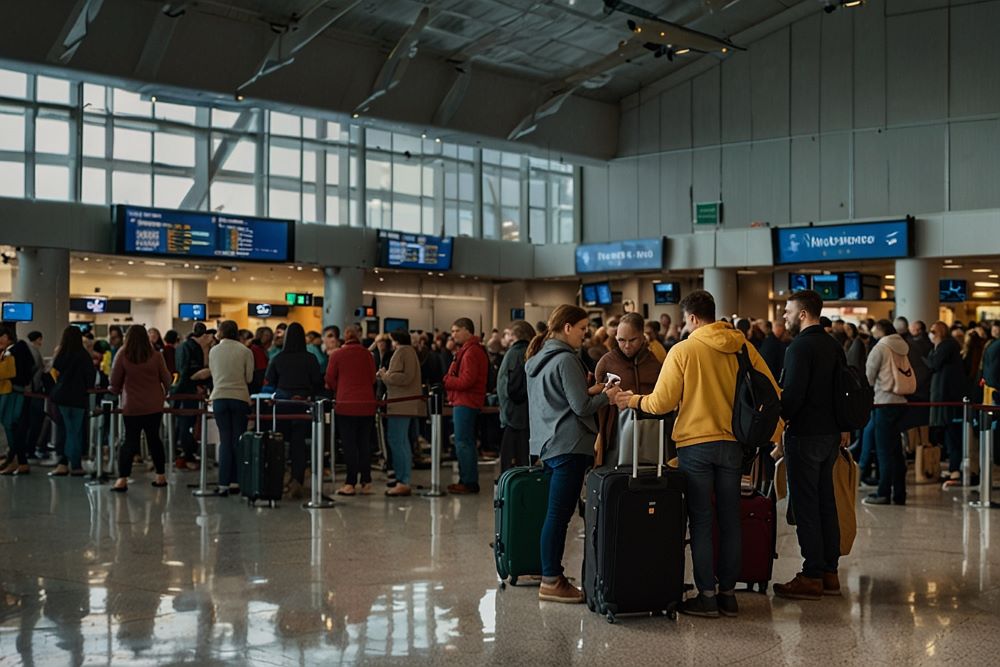
Inside the terminals, the human toll of the disruptions was palpable. Social media feeds filled with images of crowded departure halls, snaking lines, and weary travelers camped out on floors. Families worried about missing connections for long-planned vacations, business travelers scrambled for alternatives, and international visitors faced complex immigration and rebooking procedures.
For many, the lack of timely communication from airlines compounded the stress. Automated delay notifications offered little solace, and reaching a live agent by phone proved to be a test of patience. The scene underscored a critical pain point in post-pandemic travel: infrastructure and customer service systems are struggling to keep pace with rebounding demand.
Navigating the Chaos: Advice for Affected Travelers
If you find yourself caught in similar travel interruptions, proactive steps can help mitigate the inconvenience:
- Monitor Your Flight Status Proactively: Do not rely solely on airline emails. Use the airline’s official app and third-party flight tracking websites for real-time updates.
- Understand Your Rights: Familiarize yourself with the Air Passenger Protection Regulations (APPR). For cancellations or lengthy delays within the airline’s control, you may be entitled to compensation, rebooking, meals, and accommodations.
- Explore Self-Service Options First: Immediately check the airline’s app or website for automatic rebooking tools. These are often faster than calling or standing in line.
- Consider Alternative Airports: For those in major regions, investigate flights from nearby secondary airports (e.g., Billy Bishop Toronto City Airport or Hamilton for the Toronto area; Abbotsford for Vancouver).
- Document Everything: Keep records of all communications, receipts for unexpected expenses, and photos of information boards. This is crucial if you need to file a compensation claim later.
The Broader Implications for Canadian Aviation
This latest episode of systemic disruption is more than a bad day for airlines; it’s a symptom of deeper challenges within Canada’s aviation ecosystem. Critics argue that the duopoly of Air Canada and WestJet leaves travelers with few alternatives when things go wrong, reducing competitive pressure to improve reliability.
Furthermore, the repeated congestion at Toronto Pearson raises ongoing questions about airport capacity and efficiency. As demand continues to surge past pre-pandemic levels, calls for infrastructure investment, improved air traffic management, and a holistic review of the passenger experience are growing louder. The federal government, as regulator and infrastructure funder, faces increasing pressure to facilitate solutions.
Looking Ahead: A Call for Resilience
While weather is unpredictable, the aviation industry’s preparedness is not. The recent disruptions serve as a stark reminder that building a more resilient travel system is imperative. This requires:
- Investment in Redundancy: Airlines need to build more buffer into schedules and have better contingency plans for crew and aircraft placement.
- Workforce Stabilization: A concerted, long-term effort to attract, train, and retain aviation personnel at all levels is non-negotiable.
- Enhanced Communication: Airlines must invest in technology and staffing to provide transparent, timely information to passengers during disruptions.
- Collaborative Problem-Solving: Airlines, airports, NAV Canada, and government agencies need to break down silos and work together on systemic solutions.
Conclusion: Restoring Confidence in Canadian Skies
The scenes of delay and cancellation at Toronto and Vancouver airports are a blow to the reputation of Canadian air travel. Passengers are forgiving of occasional weather-related issues but are increasingly frustrated by what appears to be a pattern of operational fragility. For Canada’s airlines and airports, restoring passenger confidence is the next critical flight path. It will require not just apologies, but tangible, sustained improvements in planning, resource management, and customer care. Until then, travelers are advised to pack their patience alongside their passports, as the journey to a smoother travel experience in Canada appears to still be facing some headwinds.