Navigating the Worst Global Energy Crisis in Modern History
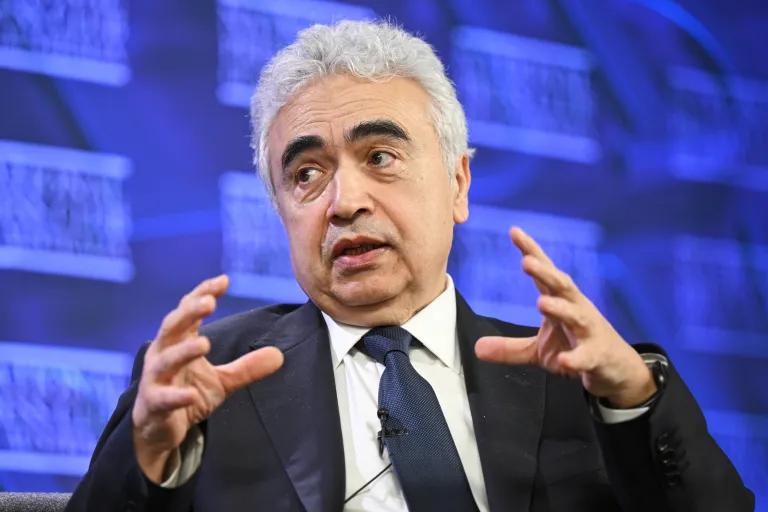
The head of the International Energy Agency (IEA) has issued a stark warning: the world is grappling with an energy crisis of unprecedented scale, one that eclipses the combined shocks of the 1970s. This isn’t a regional shortage or a temporary price spike; it’s a complex, multi-faceted global emergency reshaping economies, geopolitics, and the daily lives of billions. As Fatih Birol, the IEA’s Executive Director, made clear, the convergence of geopolitical conflict, economic turbulence, and a strained transition from fossil fuels has created a perfect storm with no quick fix in sight.
This modern energy crisis demands a clear understanding of its roots, its profound impacts, and the urgent pathways forward. The lessons of the past are insufficient; we need new strategies for a new era of energy insecurity.
Why This Crisis Is Different and More Dangerous
The oil shocks of the 1970s were seismic events, triggering recessions and long lines at gas stations. However, they were primarily centered on oil supply disruptions from a specific region. Today’s crisis is fundamentally broader and more intricate.
A Triple-Threat Convergence
The current situation stems from the collision of three powerful forces:
- Geopolitical Rupture: The war in Ukraine acted as a catalyst, severing one of the world’s most critical energy trade routes. Russia, a major supplier of oil and natural gas to Europe, became an unreliable partner overnight, sending shockwaves through global markets.
- Post-Pandemic Demand Whiplash: The rapid economic rebound from COVID-19 lockdowns surged ahead of energy supply, which had been curtailed during the pandemic. This mismatch created inflationary pressure even before the war began.
- Underinvestment and Infrastructure Strain: Years of underinvestment in both traditional and new energy infrastructure, compounded by extreme weather events affecting power grids, left the global system with little buffer to absorb these shocks.
Unlike the 1970s, today’s crisis encompasses oil, natural gas, and electricity simultaneously. Natural gas, in particular, has become a key pressure point, with prices in Europe and Asia reaching levels previously thought impossible, forcing industries to cut production and burdening households with soaring bills.
The Global Ripple Effects: From Households to Nations
The impacts of this crisis are not confined to energy markets; they are cascading through every layer of the global economy.
Economic and Social Turmoil
- Runaway Inflation: Energy is the lifeblood of modern economies. High prices for fuel, electricity, and gas feed directly into the cost of transport, manufacturing, food production, and heating, creating a vicious cycle of inflation that central banks struggle to contain.
- Threat of Recession: Soaring energy costs act as a massive tax on consumers and businesses, stifling economic activity and increasing the risk of a deep, widespread recession, particularly in energy-import-dependent nations.
- Social and Political Instability: From Europe to emerging economies, the burden of unaffordable energy is leading to protests, political upheaval, and difficult choices between heating homes and other essentials. The risk of energy poverty has skyrocketed.
Geopolitical Realignment
The crisis is redrawing the world’s energy map. Europe is scrambling to replace Russian gas, forging new deals with suppliers in the United States, the Middle East, and Africa. This dash for supply is intensifying global competition, benefiting energy exporters while placing immense strain on importers in the developing world, who are often priced out of the liquefied natural gas (LNG) market.
The Path Forward: Crisis as a Catalyst for Change
While the outlook is daunting, Fatih Birol and the IEA emphasize that this crisis must also serve as a historic turning point. The solutions lie not in abandoning the clean energy transition, but in radically accelerating it.
Immediate Actions: Conservation and Diversification
In the short term, two tools are paramount:
- Aggressive Energy Efficiency: The “first fuel” is using less energy. IEA analysis shows that simple behavioral changes, building retrofits, and industrial efficiency can cut global oil demand by millions of barrels per day within months. Europe’s efforts to reduce gas demand are a critical case study.
- Diversifying Fossil Fuel Supplies: To ensure security during the transition, nations must temporarily seek new suppliers for oil and gas. This is not a long-term strategy but a necessary bridge to avoid severe economic damage.
The Long-Term Imperative: Accelerating the Clean Energy Transition
The only lasting escape from energy price shocks and geopolitical dependency is a swift shift to renewables. This crisis has painfully exposed the vulnerabilities of a fossil-fuel-dominated system.
- Massive Scaling of Renewables: Governments must double down on policies that fast-track solar, wind, and other clean power sources. Permitting processes need streamlining, and investments must scale up dramatically.
- Investing in Grids and Flexibility: Modern, digitalized electricity grids and large-scale battery storage are essential to integrate variable renewable power and enhance resilience.
- Clean Technologies for Industry: Accelerating innovation in green hydrogen, carbon capture (for hard-to-abate sectors), and heat pumps is crucial to decarbonize industries currently reliant on gas.
The IEA stresses that investing in new, long-lead-time fossil fuel infrastructure today is a major risk. Such projects may come online just as global demand begins its permanent decline, becoming stranded assets. The focus must be on clean energy, which is not only sustainable but increasingly the most economically secure option.
A Defining Moment for Energy Security
The warning from the IEA is unambiguous: we are in uncharted waters. The energy crisis of the 2020s is more severe and complex than the oil shocks of fifty years ago. Its resolution will define economic stability and geopolitical alliances for years to come.
The path is twofold: manage the immediate scarcity with pragmatism and solidarity, while relentlessly investing in the clean energy future. The nations that navigate this dual challenge most effectively will not only secure their energy independence but will also build a more resilient, affordable, and sustainable economic foundation for the decades ahead. The crisis of today must become the catalyst for the energy system of tomorrow.