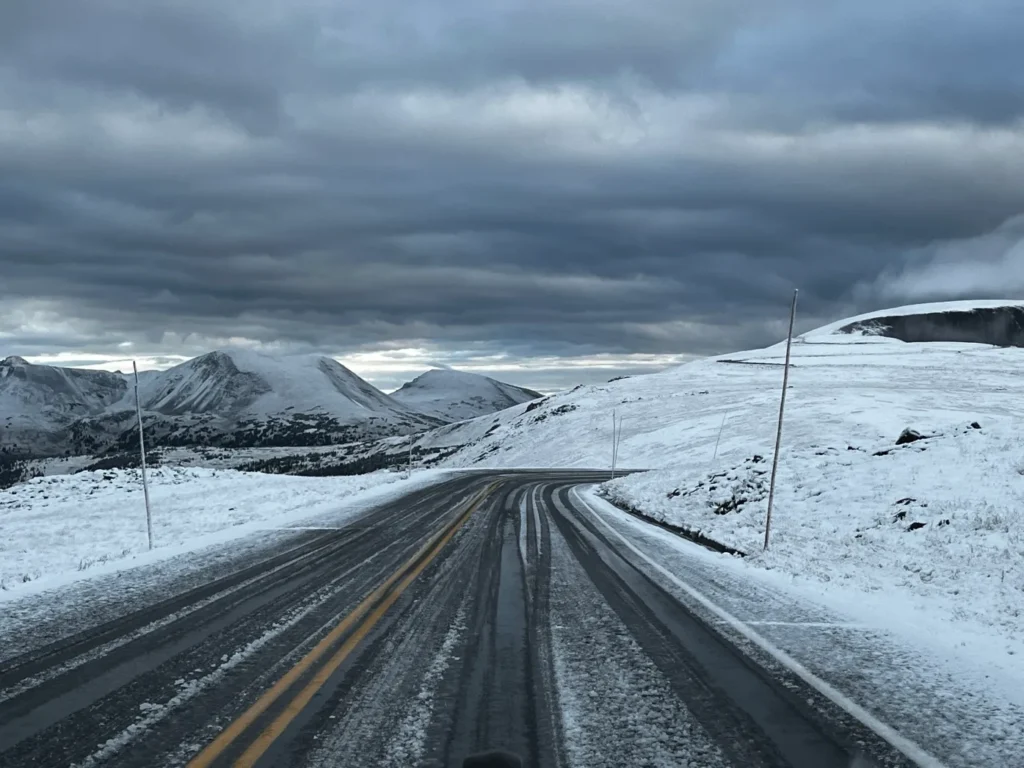
Navigating Treacherous Icy Roads and Whiteout Conditions in the Mountains
The call of the mountains is undeniable, offering breathtaking vistas and serene escapes. However, for drivers, these elevated landscapes can transform from picturesque to perilous in a heartbeat, especially during winter months. Recent events have highlighted just how quickly icy roads and sudden whiteout conditions can snarl travel, turning a routine drive into a high-stakes challenge. Whether you’re a seasoned local or a visitor seeking alpine adventure, understanding how to prepare for and navigate these hazardous conditions is not just advisable—it’s essential for safety.
The Unforgiving Nature of Mountain Winter Driving
Mountain weather is notoriously fickle. A clear, sunny day can devolve into a blinding snowstorm with near-zero visibility in a matter of miles. This combination of slick, unpredictable pavement and rapidly deteriorating sightlines creates one of the most dangerous driving environments on the road.
Black Ice: The Invisible Hazard
Perhaps the most treacherous threat is black ice. This thin, transparent coating of ice forms on pavement, often appearing as just a wet patch. It’s common on bridges, overpasses, and shaded corners where cold air circulates above and below the road surface. When your tires hit black ice, all traction is lost instantly, leading to a loss of vehicle control.
Whiteouts: Driving Blind
Whiteouts occur when snowfall and wind combine to completely obscure the landscape. The horizon disappears, the road vanishes, and oncoming headlights create a blinding reflective wall. In these conditions, depth perception and spatial awareness are obliterated, making it impossible to judge distances, see curves, or even stay within your lane.
Essential Preparation Before You Go
The key to surviving a mountain winter drive is preparation long before you turn the key. Being reactive in a storm is dangerous; being proactive is lifesaving.
Vehicle Readiness is Non-Negotiable:
- Tires: Install high-quality winter tires. All-season tires harden and lose grip in cold temperatures. Winter tires are made with a softer rubber compound and have deeper treads designed to bite into snow and slush.
- Battery & Fluids: Cold weather strains your battery. Ensure it’s in good condition and that your antifreeze mixture is appropriate for sub-zero temperatures.
- Visibility: Replace worn wiper blades and fill your washer reservoir with a winter-grade fluid that won’t freeze. Carry an ice scraper and snow brush.
Your Winter Survival Kit:
Every vehicle traveling in winter mountains should carry an emergency kit. This isn’t optional. Your kit should include:
- Blankets, sleeping bags, or extra warm clothing for every passenger.
- Non-perishable food, water, and a first-aid kit.
- A flashlight with extra batteries, flares, or reflective triangles.
- A small shovel, kitty litter or sand for traction, and jumper cables.
- A fully charged power bank for your phone.
Critical Driving Techniques for Ice and Snow
When conditions deteriorate, your driving must adapt. Forget your summer habits; winter driving requires a gentle, deliberate approach.
Smooth is Safe
Every input must be gradual. Sudden acceleration, braking, or steering will break your traction. Accelerate and decelerate slowly. If you need to brake on ice, apply steady, gentle pressure. If your vehicle has anti-lock brakes (ABS), press firmly and hold—do not pump. For non-ABS brakes, you may need to pump gently to avoid locking the wheels.
Increasing Following Distance
On dry pavement, a three-second following distance is recommended. On ice and snow, you need at least eight to ten seconds of space between you and the vehicle ahead. This gives you an immense buffer to react and stop safely.
Handling a Skid
If you feel your vehicle begin to skid, the most important thing is to stay calm.
- Look and Steer Where You Want to Go: Your natural instinct will be to stare at the obstacle you’re sliding toward. Fight it. Turn your steering wheel in the direction you want the front of the car to go.
- Avoid Overcorrecting: Sharp steering movements will make the skid worse. Use smooth, controlled adjustments.
- Off the Gas, Off the Brakes: In most skids, take your foot off both the accelerator and the brake to allow the wheels to regain rolling traction, then steer gently.
What to Do When a Whiteout Strikes
If you are caught in a sudden whiteout while driving, your priorities immediately shift.
First, Do Not Stop in a Travel Lane. A stationary vehicle in a lane during zero visibility is an extreme hazard and will almost certainly be hit.
If You Can See a Safe Exit: Slow down with your hazard lights on and carefully exit the highway to a parking lot, rest area, or wide shoulder far from traffic. Wait out the storm. It may be a lengthy delay, but this is why you have your survival kit.
If You Cannot Exit Safely:
- Turn on your low-beam headlights and hazard lights. High beams will reflect off the snow and further reduce visibility.
- Slow to a crawl that feels safe for the near-zero visibility. Use the right-edge line of the road (if visible) as a guide, not the center line.
- Do not follow the taillights of the car ahead closely; they may drive off the road or stop suddenly.
- As soon as you find the next safe opportunity to pull completely off the road, take it.
The Ultimate Wisdom: Knowing When to Stay Put
The most powerful tool in your winter driving arsenal is the decision not to drive at all. Always check detailed weather forecasts and road condition reports (available via state Department of Transportation websites) before a mountain trip. If a winter storm warning, blizzard warning, or travel advisory is in effect, postpone your trip. No appointment, event, or day on the slopes is worth risking your life.
Mountain roads in winter demand our utmost respect. By preparing your vehicle, packing for the worst, mastering gentle driving techniques, and having the wisdom to delay travel, you transform from a vulnerable passenger of fate into a prepared and capable navigator. The mountains will always be there. Your responsibility is to ensure you are too. Drive safely, and never underestimate the power of a winter storm.